


Where to Start with B. Kent Anderson
If you are new to B. Kent Anderson, your choice of starting point depends entirely on what flavor of thriller you prefer:
- For Historical & Civil War Conspiracies: Start with Cold Glory (2011), the first book published under his real name. It introduces the academic-meets-agent duo of Nick Journey and Meg Tolman, blending deep historical research with contemporary political thriller elements.
- For Covert Agency & Witness Protection Suspense: Start with Department Thirty (2003), published under his pen name David Kent. This series focuses on deep government conspiracies, law enforcement dynamics, and undercover operations.
The Nick Journey & Meg Tolman Duology
Published by Forge Books, this series is characterized by its meticulous research, fast-paced action, and strong local color, with much of the action taking place in Oklahoma. The dynamic between history professor Nick Journey and federal agent Meg Tolman forms the core of the series.
1. Cold Glory (2011)
The series kicks off when Nick Journey, a history professor at the University of Central Oklahoma, is brought in to authenticate a potentially explosive Civil War-era document. The artifact, which suggests a shocking alternative history of the Confederacy, makes Journey a target for a shadowy group called the Glory Warriors. The group plans to use the document to orchestrate a modern military coup. Journey must team up with federal agent Meg Tolman to survive and protect the nation's history.
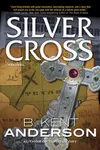
2. Silver Cross (2012)
In the second installment, Journey and Tolman reunite to investigate a new historical mystery. This time, the conspiracy involves a lost letter from French Emperor Napoleon III to Confederate President Jefferson Davis, promising French support in exchange for the 'Silver Cross'. When a modern murder is linked to the hunt for this artifact, the duo is thrown back into a web of international intrigue and high-stakes danger.
The Department Thirty Series (as David Kent)
Writing as David Kent, the author created a gritty, fast-paced political suspense series centered on a fictional, highly classified branch of the U.S. government known as Department Thirty. This department specializes in creating new identities for high-level criminals who possess secrets too dangerous to be exposed in regular courts.
1. Department Thirty (2003)
This debut novel introduces the inner workings of the shadowy agency and Faith Kelly, a former deputy U.S. marshal who now serves as a Department Thirty case officer. When a high-profile target's new identity is compromised, Kelly must uncover a leak within the agency before it destroys the entire operation.
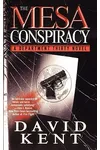
2. The Mesa Conspiracy (2004)
Faith Kelly returns to handle a new crisis when a Department Thirty protectee vanishes from a secure location in the Southwest. As she investigates, she uncovers a conspiracy that stretches from local law enforcement to the highest levels of the federal government.
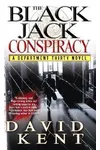
3. The Blackjack Conspiracy (2005)
Winner of the 2006 Oklahoma Book Award for Fiction, this installment follows Alex Bridge, a man accused of embezzlement and murder. Seeking protection, Bridge turns to Faith Kelly and Department Thirty, sparking a high-stakes chase through corporate greed and government cover-ups.
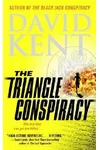
4. The Triangle Conspiracy (2006)
The final book in the series involves Faith Kelly protecting Daryn McDermott, the daughter of a conservative United States senator. As the case unfolds, Kelly finds personal stakes in the investigation when connections emerge linking the conspiracy to her own brother, Sean.
Critical Reading Caveats & Tips
1. Separating the Two Kent Andersons
It is vital for readers to distinguish between B. Kent Anderson (who also writes as David Kent) and another author named Kent Anderson. They write in different styles and feature entirely separate universes:
- B. Kent Anderson / David Kent: Focuses on historical conspiracies, academic mysteries, and government cover-ups (Nick Journey and Department Thirty series).
- Kent Anderson: A Vietnam veteran and former police officer who writes gritty, semi-autobiographical police procedurals featuring character officer Hanson (including Sympathy for the Devil and Night Dogs).
2. Standalone vs. Chronological Reading
While each book features a self-contained mystery or conspiracy that is fully resolved by the end, reading the books out of order is not recommended. The character growth—such as Nick Journey's relationship with federal agent Meg Tolman and his challenges raising an autistic son as a single father—carries over directly from one book to the next. The same applies to Faith Kelly's personal background and agency relationships in the Department Thirty series.