

Where to Start Reading Bárbara Mujica
If you are new to Bárbara Mujica's rich historical worlds, you do not need to worry about a strict chronological storyline or complex series continuity. Her novels are entirely standalone, allowing you to dive in wherever your historical or artistic interests lie. However, for the absolute best experience, we recommend starting with one of two entry points depending on your taste:
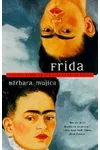
- For Art and Passion Lovers: Start with Frida (2001). This is Mujica’s breakout international bestseller. Told from the perspective of Frida Kahlo's sister, Cristina, the novel provides a deeply intimate, psychological, and raw look at the fiery, tempestuous relationship between Frida and Diego Rivera. It is the perfect introduction to Mujica's signature style: meticulously researched, intense, and emotionally complex.
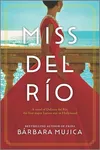
- For Fans of Golden Age Hollywood: Start with Miss del Río (2022). If you prefer the glitz, glamour, and political tension of the early to mid-20th century, this novel is the ideal starting point. It follows the dramatic rise of Dolores del Río, the first Mexican actress to conquer Hollywood, navigating fame, cultural identity, and the shift from silent films to talkies.
Publication Order of Standalone Novels
Reading Mujica's novels in order of publication allows you to witness her evolution as a historical novelist. Because each book stands alone, this sequence is purely optional but highly rewarding:
- Frida (2001): Written as a fictionalized memoir by Frida Kahlo's sister, this novel explores art, betrayal, and sisterly love against the backdrop of post-revolutionary Mexico, San Francisco, and New York.
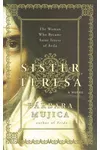
- Sister Teresa (2007): Stepping back into 16th-century Spain, this novel reimagines the life of Saint Teresa of Ávila. Rather than a dry hagiography, it is a humanizing portrait of Teresa's struggles with faith, the Spanish Inquisition, health, and her deep bond with her close companion, Sister Angelica.
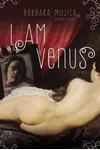
- I am Venus (2013): This novel centers on the mystery surrounding the model for Diego Velázquez's famous painting, the Rokeby Venus. Set in the Spanish court during the 17th century, it delves into the dangerous intersections of art, political intrigue, and forbidden passion.
- Miss del Río (2022): Mujica's latest novel chronicles the life of Dolores del Río, capturing her journey from a wealthy Mexican upbringing through her Hollywood triumphs and her eventual return to Mexico to become a icon of her home country's golden age of cinema.
Thematic Reading Pathways
To help you navigate her work, we have grouped Mujica's bibliography into distinct thematic paths. You can choose the track that aligns best with what you enjoy reading:
The Portrait of the Artist Path
This pathway focuses on the lives, struggles, and models of legendary visual artists. These books explore how great art is forged through personal turmoil:
- Frida (2001) – Focuses on painting, physical pain, and co-dependence.
- I am Venus (2013) – Focuses on the relationship between painter and model, censorship, and religious authority.
The Trailblazing Women Path
If you love stories about historical women who defied societal boundaries, broke barriers, and carved out their own destinies in male-dominated worlds, follow this path:
- Sister Teresa (2007) – Mysticism, reform, and surviving the Inquisition.
- Miss del Río (2022) – Hollywood stardom, immigration, bilingual performance, and reclaiming cultural roots.
War, Veterans, and Human Cost Path
Mujica's work as a veterans' advocate and mother of a U.S. Marine heavily influences her shorter fiction and non-fiction. This path focuses on the emotional and physical aftermath of war, moving away from historical biographic fiction into raw contemporary themes:
- Sanchez Across The Street (1997) – Mujica's early short story collection exploring cultural identity and community.
- Imagining Iraq (2021) – A powerful collection of short stories that captures the psychological weight, trauma, and resilience of soldiers returning from modern conflicts.
- Collateral Damage: Women Write about War (2021) – An edited volume of non-fiction essays detailing the unique perspectives and hardships of women affected by warfare.
What to Know Before You Start
Bárbara Mujica is a Professor Emerita of Spanish Literature at Georgetown University. This academic background is the secret ingredient in her fiction. Her novels are not light, breezy romances; they are deeply atmospheric and historically rigorous books. When she writes about 16th-century monastic life or 17th-century Spanish courts, the details regarding clothing, social customs, and religious practices are completely accurate, drawing directly from primary historical texts.
Readers should also note that Mujica's books frequently deal with heavy themes—including physical suffering, betrayal, war-induced PTSD, and systemic oppression. Her prose is described by critics as vigorous and intense, but she always balances these darker elements with a sense of hope, resilience, and the enduring power of human creativity.