




Where to Start with Barbara Vine
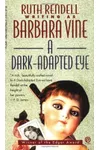
If you are new to the dark, intricate world of Barbara Vine, the standard advice from seasoned mystery readers is simple: start at the beginning. Her debut novel under this pseudonym, A Dark-Adapted Eye (1986), is widely considered her masterpiece. It immediately sets the standard for her style, featuring a slow-burning investigation of family secrets, repressed memories, and the tragic inevitability of domestic horror. It won the Edgar Award in 1987 and remains the perfect entry point.
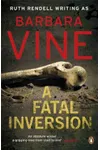
If you prefer a story driven by group dynamics and mounting dread, your second-best starting point is A Fatal Inversion (1987). This novel follows a group of young people during a long, idyllic summer in a country manor that slowly deteriorates into nightmare and death. Because all of Vine's books are standalone novels, you can pick up any of them without worrying about character continuity, but these early releases showcase the author at the absolute height of her psychological powers.
Ruth Rendell vs. Barbara Vine: What to Know Before You Start
To fully appreciate these books, it helps to understand why they exist under a separate moniker. Ruth Rendell was already a household name in British crime fiction, famous for her Inspector Wexford police procedurals and her sharp, contemporary psychological thrillers. In 1986, Rendell introduced the Barbara Vine pseudonym to give herself the freedom to write a different kind of book.
While Rendell's namesake novels are often fast-paced and focused on the immediate aftermath of a crime, the Barbara Vine novels are slower, highly literary, and deeply obsessed with the long-tail effects of history. They frequently utilize dual timelines, epistolary formats, diary entries, and long-buried family secrets. The focus is never on "who did it," but rather on the slow, psychological decay that leads up to the act, and the generational ripples that follow it.
Publication Order of Barbara Vine Novels
Because all fifteen works are standalone psychological dramas, there is no strict chronological narrative order you must follow. However, reading them in publication order lets you experience the evolution of Rendell's style under the Vine name, beginning with her critically acclaimed late-80s masterpieces and ending with her final works in the 2000s and 2012.
- A Dark-Adapted Eye (1986)
- A Fatal Inversion (1987)
- The House of Stairs (1988)
- Gallowglass (1990)
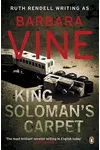
- King Solomon's Carpet (1991)
- Asta's Book (1993) – Published as Anna's Book in the United States.
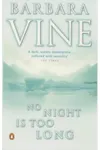
- No Night Is Too Long (1994)
- In the Time of His Prosperity (1995) – A novella originally published as a standalone Penguin 60s booklet.
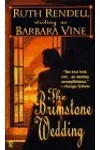
- The Brimstone Wedding (1995)
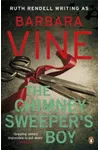
- The Chimney Sweeper's Boy (1998)
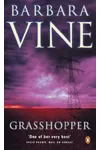
- Grasshopper (2000)
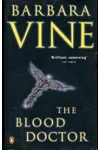
- The Blood Doctor (2002)
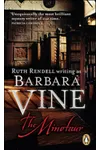
- Minotaur (2005) – Also published under the title The Minotaur.
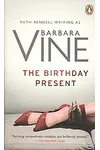
- Birthday Present (2008) – Also published under the title The Birthday Present.
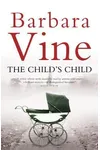
- The Child's Child (2012)
Title Variations and the Novella Caveat
For readers trying to collect the physical books or track down every title online, there are two common points of confusion to keep in mind:
US vs. UK Title Changes
Her 1993 epistolary novel, which follows a family mystery unspooled through decades of diaries, is titled Asta's Book in the UK and Commonwealth countries, but was retitled Anna's Book for the United States market. They are the exact same novel. Additionally, minor variations exist for her later novels: Minotaur (2005) is frequently listed as The Minotaur, and Birthday Present (2008) is often sold as The Birthday Present.
The Story of "In the Time of His Prosperity"
Often listed in bibliographies as a standard novel, In the Time of His Prosperity (1995) is actually a short novella. It was commissioned and printed as a standalone pocket-sized book to celebrate the 60th anniversary of Penguin Books. Because it went out of print quickly, it became a hard-to-find piece of Vine's bibliography for many years. However, it was finally re-released to a wider audience in 2016 when it was included in the posthumous Ruth Rendell short story collection, A Spot of Folly.
Notable Television Adaptations
If you enjoy seeing page-to-screen transitions, several of the most famous Barbara Vine thrillers were adapted by the BBC during the 1990s as part of a dedicated television anthology series:
- A Fatal Inversion (1992): A television miniseries adaptation directed by Tim Fywell, capturing the sweltering, claustrophobic atmosphere of the book's tragic summer.
- Gallowglass (1993): A three-part television miniseries, also directed by Tim Fywell, which features a very young Michael Sheen in one of his early screen roles as Joe.
- A Dark-Adapted Eye (1994): A psychological miniseries starring Helena Bonham Carter, Celia Imrie, and Sophie Ward. Note that this adaptation inserts a framing device with an Italian lawyer to explain the story to the audience, a departure from the novel's original narrative structure.