


Where to Start with Bernard MacLaverty
Bernard MacLaverty is widely regarded as one of Northern Ireland's finest contemporary voices, celebrated for his sparse, emotionally precise, and deeply human storytelling. Because all of his novels and short story collections are standalone works, there is no strict chronological storyline or recurring character universe to follow. You can read his catalog in any order, but choosing the right starting point depends on what kind of story you want to experience first.
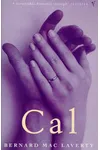
For the definitive introduction to his themes, start with Cal (1983). Set against the bleak backdrop of the Troubles in Northern Ireland, it is a devastatingly intimate portrait of guilt, sectarian conflict, and forbidden love. It is his most famous novel and serves as a perfect entry point into his quiet, powerful style.
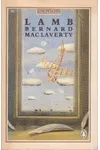
If you prefer a story focused on family, redemption, and moral conflict, start with his debut novel, Lamb (1980). It follows a disillusioned Christian Brother who runs away from a harsh reformatory clinic with a troubled young boy, attempting to act as a surrogate father. It is a heartbreaking and unforgettable read.
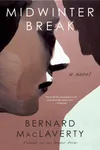
For readers who appreciate late-career mastery and quiet character studies, Midwinter Break (2017) is an excellent starting point. The novel details a weekend getaway in Amsterdam for an elderly retired couple, exploring the deep, unspoken fissures, aging, and love that define a long marriage.
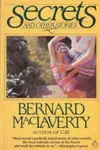
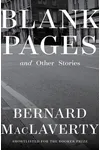
If you would rather begin with his short stories—which many critics consider to be his finest form—start with Secrets & Other Stories (1977/1979) or his recent collection, Blank Pages (2021/2022). Both showcase his ability to craft profound, complete narratives in just a few pages.
Bernard MacLaverty's Standalone Novels in Publication Order
MacLaverty's novels explore the quiet struggles of everyday lives, frequently centering on characters trapped by circumstance, guilt, or religious expectation. Reading them in publication order allows you to witness the development of his prose from the raw, politically charged early novels to his highly refined later works.
- Lamb (1980): A tragic exploration of love, faith, and the desperation to save a child from institutional cruelty.
- Cal (1983): A gripping and atmospheric novel about a young Catholic man who is reluctantly involved with the IRA and falls in love with the widow of a man his cell killed.
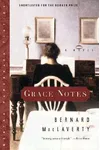
- Grace Notes (1997): Shortlisted for the Booker Prize, this novel focuses on Catherine McKenna, a young composer struggling with post-natal depression, her Catholic upbringing, and her creative voice.
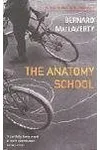
- The Anatomy School (2001): Set in 1960s Belfast, this is a coming-of-age story about a young man named Martin Brennan navigating school, friendships, and sex before the Troubles fully erupt.
- Midwinter Break (2017): A tender, deeply observational novel about a retired Irish couple holidaying in Amsterdam as they quietly confront their differing views on faith, alcohol, and their shared future.
The Short Story Collections
MacLaverty is a master of the short story format, drawing frequent comparisons to Anton Chekhov and James Joyce. His stories capture micro-moments of realization, grief, and connection. These collections should be read alongside his novels to get a complete appreciation of his range.
- Secrets & Other Stories (1977/1979): His debut collection, containing some of his most famous early stories about youth, family secrets, and Catholic guilt.
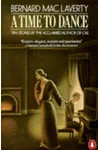
- A Time to Dance & Other Stories (1982): A collection highlighting the struggles of ordinary people, from schoolboys to aging mothers, navigating disappointment and hope.
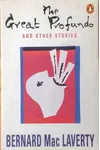
- The Great Profundo & Other Stories (1987): A rich assortment of tales exploring the themes of art, isolation, and communication.
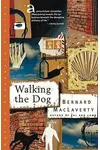
- Walking the Dog & Other Stories (1994): A collection that captures both the domestic ordinary and the looming political tensions of Northern Ireland.
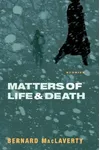
- Matters of Life & Death (2006): Stories exploring the grand transitions of life, detailing everything from childhood experiences of the Belfast Blitz to the quiet realities of death.
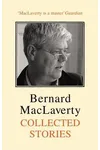
- Collected Stories (2013): A comprehensive volume gathering the best of his short fiction over several decades.
- Blank Pages (2021/2022): A collection written in his late career, featuring elegant, precise stories about art, mortality, memory, and the COVID-19 pandemic.
Clarifying Children's Books & Non-Fiction
Some bibliography lists catalog works like A Man in Search of a Pet, Andrew McAndrew, and Columba alongside his adult novels or collections. It is helpful to clarify what these works actually are to avoid confusion:
- A Man in Search of a Pet (1978): A children's picture book written and illustrated by MacLaverty, telling the story of a man trying to find the perfect pet, eventually settling on an elephant.
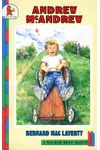
- Andrew McAndrew (1985/1988): A charming children's story about a young boy who speaks in rhymes and gets into mischief.
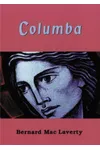
- Columba (1994/1997): A children's non-fiction historical book exploring the life of Saint Columba (Colmcille) and the early Christian heritage of Scotland and Ireland.
What to Know Before You Start
Before diving into MacLaverty's world, it is helpful to keep a few key contexts in mind:
The Backdrop of the Troubles: While not all of his works focus directly on the conflict in Northern Ireland, the psychological shadow of the Troubles is a frequent thematic presence. Even in domestic or historical stories, sectarian division, guilt, and the threat of violence often linger in the background.
Understated Writing Style: MacLaverty is famous for his minimalist, precise prose. He does not rely on heavy exposition or melodrama; instead, the emotional weight of his stories is carried through subtext, naturalistic dialogue, and quiet sensory details.
Acclaimed Film Adaptations: If you enjoy his books, seek out the cinematic versions. MacLaverty wrote the screenplays for both the film adaptation of Lamb (1985, starring Liam Neeson) and Cal (1984, starring Helen Mirren and John Lynch), ensuring they remain exceptionally faithful to the source material's tone.