





Recommended Reading Order for Bernard Waber's Books
If you are looking to introduce young readers to the charming and heartwarming world of Bernard Waber, the best path forward is to divide his bibliography into his two primary series—the world-famous Lyle the Crocodile books and the beloved Ira stories—followed by his numerous standalone children's books. Because Waber's picture books are self-contained and episodic, you can generally read them in any order without losing character context. However, reading them in publication order lets you see how the art and writing evolved over the span of Waber's five-decade career.
Where to Start: The Lyle the Crocodile Series
The absolute best starting point for Bernard Waber's work is the series that defined his legacy: Lyle the Crocodile. While the second book in the series, Lyle, Lyle, Crocodile (1965), is the most famous and lends its name to the 2022 musical film adaptation, it is actually a sequel. To get the full story of how Lyle first arrived, readers should start at the very beginning.
Here is the recommended reading order for the Lyle the Crocodile books:
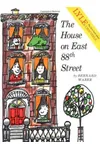
- The House on East 88th Street (1962): The essential starting point. This book introduces the Primm family, who move into a Victorian brownstone in New York City and discover a gentle, performance-loving crocodile named Lyle living in their bathtub.
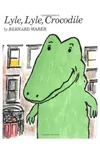
- Lyle, Lyle, Crocodile (1965): The most famous entry. Lyle is fully integrated into the neighborhood but must win over the grumpy next-door neighbor, Mr. Grumps, and his high-strung cat, Loretta.
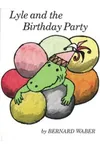
- Lyle and the Birthday Party (1966): A heartwarming story about jealousy. Lyle feels left out during Joshua Primm's birthday preparations, gets sick with green envy, and mistakenly ends up helping out in a local hospital.
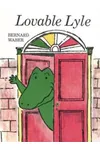
- Lovable Lyle (1969): This book deals with themes of prejudice and acceptance. Lyle receives anonymous hate mail and works hard to win over a young girl who has been taught to fear crocodiles.
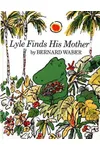
- Lyle Finds His Mother (1974): Lyle's original owner, the theatrical Hector P. Valenti, convinces Lyle to leave New York temporarily to go on a search for his long-lost mother in the wild.
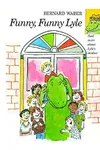
- Funny, Funny Lyle (1987): Lyle has to navigate family dynamics when his mother moves in with the Primms, and he tries to show that he can be a helpful big brother when Mrs. Primm expects a baby.
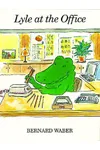
- Lyle at the Office (1994): Lyle visits Mr. Primm’s workplace, causing a mix of chaos and delight, and highlights the values of loyalty and staying true to oneself.
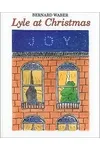
- Lyle at Christmas (1998): A cozy holiday story where Lyle spreads Christmas cheer, assists his friends, and helps the grumpy Mr. Grumps find his holiday spirit.
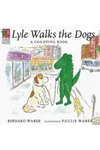
- Lyle Walks the Dogs (2010): Co-written with his daughter Paulis Waber, this book shows Lyle starting his own dog-walking business, teaching young readers basic counting skills.
Companion and Posthumous Lyle Books
In addition to the core picture books, there are several treasuries and posthumous tie-ins to look out for:
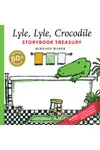
- Lyle, Lyle, Crocodile Storybook Treasury (2012): A collection containing several of the most popular Lyle stories in a single volume, perfect for bedtime reading.
- Lyle, Lyle, Crocodile & Friends (2014): A reissue collection containing classic stories alongside companion materials.
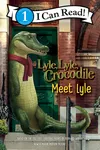
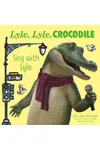
- Meet Lyle (2022) & Lyle and Friends (2022): These are modern readers and tie-in editions designed for early readers, released to coincide with the major motion picture.
The Ira Series: A Focus on Childhood Milestones
Aside from Lyle, Waber's most celebrated character is a young boy named Ira. This two-book series captures the intense, earnest anxieties of growing up with humor and validation.
- Ira Sleeps Over (1972): A true children's classic. Ira is thrilled about his first sleepover at his friend Reggie's house next door, but he faces a major dilemma: should he bring his beloved teddy bear, Tah Tah, and risk being laughed at, or leave it behind and face the dark alone?
- Ira Says Goodbye (1988): In this emotional sequel, Ira has to cope with the bittersweet reality of his best friend Reggie moving away, dealing with feelings of abandonment, anger, and eventual acceptance.
Must-Read Standalone Picture Books
Bernard Waber wrote dozens of standalone stories that cover wide-ranging themes, from overcoming personal anxieties to recognizing everyday heroism. If you want to explore beyond Lyle and Ira, these are the standout titles to seek out:
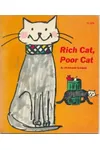
- Rich Cat, Poor Cat (1963): A touching story comparing the luxurious life of pampered house cats with the street-smart, hopeful life of a stray cat named Scat.
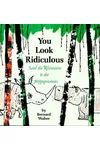
- You Look Ridiculous, Said the Rhinoceros to the Hippopotamus (1966): A playful fable about self-image, where a self-conscious hippopotamus dreams of having the features of other animals, only to realize she is perfect just the way she is.
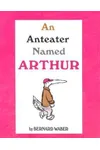
- An Anteater Named Arthur (1967): A humorous look at mother-child relationships, told from the perspective of a mother anteater who describes her son's quirky habits, messy room, and selective eating.
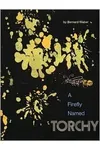
- A Firefly Named Torchy (1970): A story about finding your own pace, focusing on a firefly whose light is too bright and flashy compared to the gentle glow of his peers.
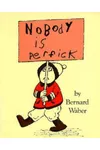
- Nobody Is Perfick (1971): A charming collection of short, comic-style vignettes about friendship, mistakes, and the pressure of trying to be perfect.
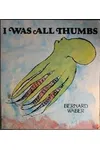
- I Was All Thumbs (1975): The story of Lego, an octopus who has lived his entire life in a laboratory tank and must learn to adapt to the vast, unfamiliar ocean when he is released.
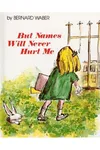
- But Names Will Never Hurt Me (1976): A story tackling teasing and self-acceptance, following a young girl named Wonderland Buster who struggles with her unusual name.
- Courage (2002): Published in the wake of 9/11, this book is one of Waber's most profound standalones. It lists the many different forms courage can take—from big heroic acts to small everyday moments, like riding a bike without training wheels or tasting a new food.
- Ask Me (2015): Published posthumously and beautifully illustrated by Suzy Lee, this simple, dialogue-driven book captures a heartwarming walk shared by a father and his curious daughter as they talk about all the things they like.
What to Know Before You Start
Waber's stories are deeply rooted in the mid-to-late 20th century, particularly capturing the warm, bustling vibe of New York City in the 1960s and 70s. While the setting is specific, the emotional core is timeless. He did not write fantasy epics; instead, he specialized in low-stakes, high-empathy narratives where a misunderstanding or a small childhood fear is treated with the utmost respect and warmth. His wobbly, expressive illustrations work hand-in-hand with his words, making his books ideal for read-aloud sessions where children can pore over the visual details of Manhattan brownstones, busy offices, and expressive animal faces.