










Where to Start Reading Bess Streeter Aldrich
If you are new to Bess Streeter Aldrich’s heartwarming tales of the American Midwest, the best place to begin is with her iconic Deal Family Duology. This is her only direct narrative series, tracking a family across multiple generations from pioneer hardships to modern struggles.
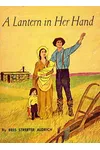
- Start here: A Lantern in Her Hand (1928) – This is Aldrich's undisputed masterpiece. It follows Abbie Deal as she leaves a comfortable life in Iowa to build a home in a Nebraska sod house in 1865, capturing the grit, love, and sacrifice of frontier life.
- Next read: A White Bird Flying (1931) – The direct sequel to A Lantern in Her Hand. It follows Abbie’s granddaughter, Laura Deal, in the early 20th century as she tries to balance her artistic ambitions and love with the legacy of her grandmother's pioneer spirit.
The Chronological Timeline of the Pioneer Novels
While Aldrich wrote her books in the 1920s, 30s, and 40s, her historical novels span almost a century of Midwestern development. If you prefer to read her historical fiction in chronological order of their settings, follow this path:
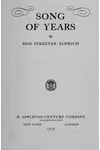
- Song of Years (1939) – Set in pioneer Iowa from 1854 to 1865, focusing on the growth of the state before and during the Civil War.
- Spring Came On Forever (1935) – A massive multi-generational saga that begins in the 1860s and follows two pioneer families across the Nebraska prairie all the way into the Great Depression of the 1930s.
- The Lieutenant's Lady (1942) – Set on the raw Nebraska and Dakota frontier right after the Civil War, depicting the challenges of an army wife during westward expansion.
- A Lantern in Her Hand (1928) – Spans from 1865 through the late 19th and early 20th centuries.
- A White Bird Flying (1931) – Picks up in the early 20th century following Abbie Deal's passing, exploring the modern generation.
Small-Town & Contemporary 1920s Novels
In addition to her sweeping historical pioneer sagas, Aldrich wrote exceptional episodic, lighthearted novels set during her own contemporary era of the 1920s and 30s. These books do not have overlapping characters, but they are spiritually connected by their focus on family dynamics and small-town community life:
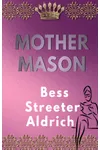
- Mother Mason (1924) – Aldrich's debut novel. It presents a warm, humorous portrait of family life centered around a devoted mother in a small Midwestern town.
- The Cutters (1926) – A spiritual companion to Mother Mason, focusing on the everyday challenges, humor, and domestic adventures of another typical small-town family, the Cutters.
- The Rim of the Prairie (1925) – A romance that blends the pioneer history of early settlers with the lives of a younger generation in a small Nebraska town.
- Miss Bishop (1933) – The emotional story of Ella Bishop, a dedicated teacher at a Midwestern college town whose life spans decades of personal sacrifice and quiet triumphs. It was later adapted into the successful 1941 film Cheers for Miss Bishop.
Holiday Classics & Short Story Collections
Aldrich was a prolific short story writer, publishing over 160 tales in prominent national magazines like the Saturday Evening Post and Collier's. Her holiday writings hold a special place in her bibliography:
- The Drum Goes Dead (1941) – Set during the Great Depression, this short novel follows a dispirited small-town bank cashier who finds renewed hope and the true spirit of Christmas while playing Santa Claus.
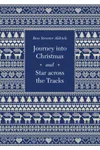
- Journey Into Christmas and Other Stories (1938/1949) – A collection of twelve classic holiday tales celebrating family, faith, and small-town warmth.
- The Man Who Caught the Weather (1936) – A collection of some of her best short stories, including the title story which won her an O. Henry Prize in 1928.
What to Know Before You Start
Aldrich is often classified as a "romantic realist." Her stories are filled with optimistic sentiment, family loyalty, and traditional values, but they never shy away from the brutal realities of the frontier—droughts, grasshopper plagues, extreme weather, and deep personal loss. Her historical settings were meticulously researched, drawing heavily from the actual pioneer letters and stories of her parents and grandparents who settled Iowa in the 1850s.