




Where to Start with Bessel van der Kolk
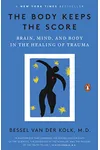
For the vast majority of readers, there is only one logical starting point: The Body Keeps the Score: Brain, Mind, and Body in the Healing of Trauma (2014). This book is a global publishing phenomenon for a reason. While Dr. van der Kolk had been publishing academic papers and textbooks for decades prior, this work translated complex neuroscience and clinical psychiatry into accessible, deeply human stories of survival and recovery. It is the definitive guide to how trauma physically reshapes the brain and nervous system, and it introduces readers to body-based healing modalities like EMDR, yoga, neurofeedback, and theater.
Once you have finished The Body Keeps the Score, your path forward depends on your goals:
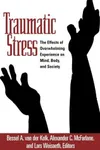
- For clinicians, students, and academic researchers: Move backward in time to his co-edited textbook, Traumatic Stress: The Effects of Overwhelming Experience on Mind, Body, and Society (1996). Co-edited with Alexander C. McFarlane and Lars Weisaeth, this is a foundational academic volume that synthesizes clinical research on PTSD.
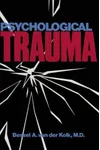
- For historical context: Explore his first major edited work, Psychological Trauma (1987). Published shortly after PTSD was first officially recognized in the DSM-III, this book captures the early days of modern trauma research, detailing the psychobiology of trauma and its connection to memory and dissociation.
The Norton Series on Interpersonal Neurobiology Caveat
If you look up Bessel van der Kolk on popular book databases, you will often find him linked to a massive list of over 70 books in the Norton Series on Interpersonal Neurobiology. It is important to know that he did not write these books.
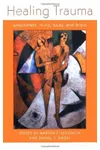
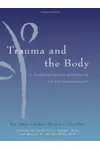
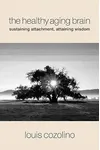
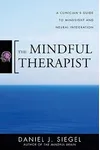
The Norton Series on Interpersonal Neurobiology is a prestigious clinical series founded and edited by Dr. Daniel J. Siegel. It features works by dozens of different scientists, therapists, and experts (such as Pat Ogden, Allan N. Schore, and Louis Cozolino) exploring how the mind, brain, and relationships interact. Dr. van der Kolk is highly integrated into this series because he has written forewords, provided expert endorsements, or collaborated on chapters for several of its key volumes—most notably writing the foreword for Pat Ogden's landmark book Trauma and the Body: A Sensorimotor Approach to Psychotherapy (2006). Unless you are a practicing clinician looking for specialized therapy manuals, you do not need to read through this entire series.
Publication Order of Bessel van der Kolk's Core Works
Because Dr. van der Kolk's writing spans academic textbooks and mainstream non-fiction, his core bibliography is best read out of publication order (starting with his latest, most accessible book). However, if you wish to track the evolution of trauma psychiatry from the mid-1980s to the 2010s, you can read his core books in chronological order:
- Psychological Trauma (1987) — An early, groundbreaking synthesis of trauma's effects on the mind and memory.
- Traumatic Stress: The Effects of Overwhelming Experience on Mind, Body, and Society (1996) — A comprehensive textbook mapping clinical treatment and PTSD theory.
- The Body Keeps the Score: Brain, Mind, and Body in the Healing of Trauma (2014) — The definitive, highly accessible culmination of his life's work.
What to Know Before You Start
Dr. van der Kolk's books deal extensively with severe trauma, including childhood abuse, domestic violence, combat trauma, and neglect. The Body Keeps the Score contains detailed clinical case studies that can be highly activating or triggering for some readers. It is recommended to pace yourself while reading and focus on the latter sections of the book, which detail paths to recovery and healing therapies, if the diagnostic sections feel overwhelming.