



![Betty Crocker's Do Ahead Cookbook: [Recipes For The Freezer And The Refrigerator]](https://images.booksonboard.com/books/46801/thumbnail/Betty-Crockers-Do-Ahead-Cookbook-Recipes-For-The-Freezer-And-The-Refrigerator.webp)
Where to Start: The Flagship "Big Red" Cookbooks
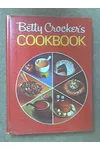
For more than seven decades, the ultimate starting point for any home cook has been the flagship manual officially titled Betty Crocker's Cookbook (originally published as Betty Crocker's Picture Cook Book in 1950). Known affectionately by generations of cooks as "Big Red" due to its classic solid red cover, this book has sold more than 75 million copies. It functions as the core manual from which all other spin-offs and specialty guides branch out.
If you are a newcomer to cooking or want a single, comprehensive reference book, you should start with one of the primary flagship editions:
- The 13th Edition (2022): The most modern and up-to-date entry point. It contains contemporary cooking methods (like air fryer and instant pot instructions) alongside classics updated for modern ingredients.
- The 1950 Facsimile Edition: For history lovers and retro bakers. General Mills and various publishers have kept the original 1950 design in print as a replica. It is the best starting point for mid-century American baking, featuring the famous original recipes for chiffon cakes and vintage pastries.
- The 1969 Edition: Often cited by collectors as the sweet spot of mid-century cooking, featuring full-color retro photography and classic comfort food.
Understanding the Betty Crocker Cookbook Ecosystem
Unlike narrative fiction, Betty Crocker books do not have a chronological plot line. Instead, the catalog is organized by cooking categories, ingredients, and lifestyle needs. Once you have the flagship "Big Red" book, you can branch out into specific subseries based on your culinary interests.
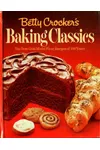
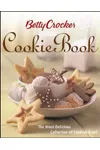
The Cookie & Baking Classics
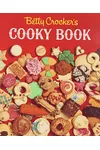
Perhaps the most famous spin-off series focuses on sweet treats. The crown jewel is Betty Crocker's Cooky Book. While an early recipe booklet was released under a similar name in 1948, it was the 1963 hardcover/spiral-bound edition that became a cultural sensation with over 450 recipes. The baking series continues today with modern compilations like The Big Book of Cookies (2012) and Cookies: Irresistibly Easy Recipes for Any Occasion (2019).
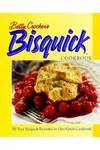
The Bisquick Chronicles
Starting with small promotional pamphlets in the 1930s, the Bisquick line of cookbooks evolved into full-length volumes detailing the versatility of the pre-mixed baking product. Key books to look out for include the original Betty Crocker's Bisquick Cookbook (1979), the highly popular Betty Crocker Bisquick Impossibly Easy Pies (2004)—which features recipes where the crust forms magically during baking—and Bisquick to the Rescue (2011).
Quick & Easy Dinners
Designed for busy families, this subseries prioritizes speed and minimal cleanup. It began in earnest with classics like Betty Crocker's Dinner in a Dish (originally published in 1965 and updated in 2000), and evolved into modern titles like Quick & Easy Cookbook: 30 Minutes or Less to Dinner Every Night (2002) and Betty Crocker Make It In One: Dinner in One Pan, One Pot, One Sheet Pan . . . and More (2019).
Dietary & Specialty Cooking
As nutritional science and dietary needs evolved, the brand introduced specialty health cookbooks. These should be read and used based on individual needs rather than any specific publication order. Key volumes include the Betty Crocker Diabetes Cookbook (2003), Betty Crocker Gluten-Free Cooking (2012), and the Betty Crocker 1500 Calorie a Day Cookbook (2012).
Chronological Publication Order vs. Thematic Reading
While looking at the chronological publication order is fascinating for understanding the history of American home cooking, reading or collecting them in strict chronological order is rarely practical for daily meal planning. The brand's publishing strategy has always been reactive, launching books to fit historical eras:
- 1950s–1960s: Focused on post-war domesticity, entertaining guests, and introducing convenience foods (such as cake mixes and canned soups).
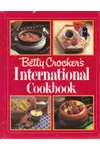
- 1970s–1980s: Focused on international flavors, microwave cooking, outdoor grilling, and budget-friendly casseroles during inflation.
- 1990s–2000s: Focused on low-fat diets, quick 30-minute meals, and specialty appliances like bread machines.
- 2010s–Present: Focused on gluten-free, sheet-pan dinners, air-frying, and heritage recipes (such as the Betty Crocker Lost Recipes collection from 2017).
Therefore, we recommend starting with a flagship edition, and then choosing a companion volume from the themed subseries that matches your cooking style.
Vintage vs. Modern: Which Era is Right for You?
When selecting your next Betty Crocker cookbook, you will often have to choose between a vintage edition (pre-1990) and a modern edition. Vintage editions are beloved for their nostalgia, scratch-baking guides, and historical recipes, but they may lack modern safety guidelines and rely heavily on mid-century processed ingredients. Modern editions are superior for everyday weeknight meals, dietary restrictions, and step-by-step techniques, but they sometimes lack the whimsical charm of the mid-century hand-illustrated guides.