
The Recommended Reading Order: The Helmsman Saga
The core of Bill Baldwin's literary career is The Helmsman Saga, an eight-book military science fiction epic that follows the career of Wilf Ansor Brim. Driven by a strict serial timeline, this series should be read in chronological and publication order. Beginning as a talented helmsman of humble origins, Wilf Brim navigates class prejudice, political intrigue, interstellar warfare, and complex romance across his lifetime.
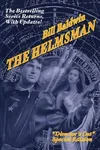
- The Helmsman (1985) – Introduces Wilf Ansor Brim as he enters the Imperial Service, facing down elitism and proving his unmatched piloting skills during the initial outbreaks of galactic conflict.
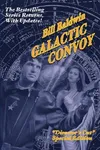
- Galactic Convoy (1987) – The war escalates as Wilf is tasked with protecting critical transport routes against overwhelming enemy forces, drawing inspiration from historical World War II naval convoys.
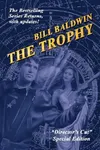
- The Trophy (1989) – Wilf leads high-stakes missions to secure strategic assets, balancing his escalating military responsibilities with personal relationships.
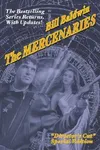
- The Mercenaries (1991) – Focuses on the shadow conflicts of the war, where private soldiers and contracted fleets complicate the loyalties of the empire.
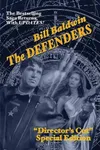
- The Defenders (1992) – Wilf and his crew must hold the line against massive siege fleets threatening the core worlds of the empire.
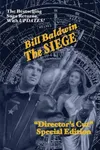
- The Siege (1994) – A turning point in the war, involving grueling orbital blockades and planetary invasions that test Wilf's tactical limits.
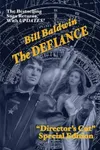
- The Defiance (1996) – Wilf takes command of a desperate counter-offensive, rallying the remnants of the fleet against the final onslaught of their enemies.
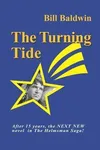
- The Turning Tide (2011) – The final novel-length adventure, picking up Wilf's story years later as new crises threaten the hard-won peace of the galaxy.
The Epilogue Novelette
In addition to the main novels, Baldwin published "Last Ship to Haefdon" in the 2002 anthology Oceans of Space (later released as a standalone chapbook). This story is set several decades after the events of The Turning Tide. It follows Commander Leroy Spangenberg, who intercepts a distress signal from a royal yacht stranded on a dying starbase, only to discover the single passenger is the elderly Grand Galactic Emperor Wilf Brim himself. It serves as a poignant, nostalgic farewell to the protagonist.
Where to Start and Reading Advice
Because the narrative relies on deep continuity, character growth, and escalating interstellar conflicts, readers should start with the very first book, The Helmsman. Jumping into the middle of the series will cause immediate confusion regarding character ranks, historical wars, and the political structure of the empire.
When purchasing the books, look out for the "Director's Cut" editions. Beginning in the mid-2000s, Baldwin released revised and expanded versions of several early novels (including The Helmsman, The Defenders, and The Siege) through independent presses like Sabre Press and BookLocker. These updated editions contain corrected text and minor narrative refinements straight from the author.
Bill Baldwin's Standalone Novels
Outside of the Helmsman universe, Baldwin authored two standalone novels that span completely different genres:
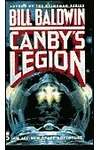
- Canby's Legion (1995) – A standalone science fiction novel. Set in a future where Earth has become a corrupt and decaying galactic superpower, the plot follows former starship commander Gordon Canby as he attempts to reform a failing society, only to find he is fighting the wrong battles.
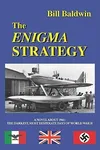
- The Enigma Strategy (2008) – A complete departure from science fiction, this is a historical World War II spy thriller. It follows an American volunteer pilot who is sent on a high-stakes mission into enemy territory in Northern Italy to recover a stolen German Enigma coding machine.
What to Know Before You Start: Tone and Influences
Bill Baldwin was not just a storyteller; he was a U.S. Air Force veteran and served as the Chief of the Reports Division for NASA's Project Mercury during the heights of the space race. This background heavily grounds his space battles in authentic technical grit, orbital mechanics, and military hierarchy. He famously blended these realistic details with the swashbuckling tone of C.S. Forester's Horatio Hornblower novels and the combat memoirs of World War II fighter pilots, resulting in a unique combination of high-stakes fleet actions and lighthearted, nostalgic adventure.