










Where to Begin: The Recommended Reading Path
If you want to step into the rugged, humorous, and deeply authentic world of B.M. Bower, there is only one true starting point: the Flying U Ranch. While Bower wrote dozens of Westerns, her reputation rests on the shoulders of the 'Happy Family,' a tight-knit group of Montana cowboys who laugh, bicker, and ride together across several decades.
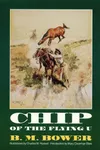
We highly recommend starting with Chip of the Flying U (1906). This landmark novel not only kicked off her most famous series but also introduced the prototype for the romantic cowboy hero: Chip, a quiet, talented artist-cowboy, and Dr. Della Whitmore, a self-reliant female doctor from the East. From there, you should follow the publication order of the Flying U books to see the characters grow, marry, and adapt to the changing frontier.
The Flying U Series Reading Order
The Flying U series is best read in publication order. While the characters occasionally pop up in minor roles elsewhere, following this sequence ensures you witness the proper development of the Happy Family's lives and the ranch itself:
- Chip of the Flying U (1906) – The legendary beginning, introducing Chip Bennett, Della Whitmore, and the core hands of the Flying U.
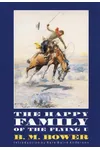
- The Happy Family of the Flying U (1910) – A delightful set of connected stories detailing the daily lives, pranks, and loyalties of the ranch hands.
- Flying U Ranch (1914) – The Happy Family faces conflicts with sheepmen and corporate rivals threatening their range.
- The Flying U's Last Stand (1915) – The cowboys must defend their lifestyle against homesteaders and land-grabbers.
- The Heritage of the Sioux (1916) – The Happy Family travels south to New Mexico to assist with a movie production, only to get caught up in real-life drama and bank robberies.
- Dark Horse (1931) – A later entry focusing on a mysterious cowboy and a prized racehorse, keeping the classic ranch spirit alive.
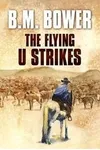
- The Flying U Strikes (1933) – The ranch hands find themselves dealing with mystery and conflict on the changing range.
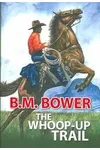
- The Whoop-Up Trail (1933) – A prequel-style tale following young Chip Bennett's early journey north to find his brother and join the ranch.
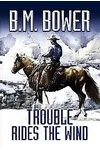
- Trouble Rides the Wind (1997) – Originally written in 1935, this story follows the later struggles of the Flying U crew.
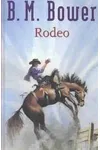
- Rodeo (2002) – Originally serialized and copyrighted in 1928, this novel highlights the transition from working ranch life to public exhibition.
- The Spirit of the Range (2005) – A posthumous collection highlighting the enduring lore of the Montana plains.
- Law on the Flying U (2012) – Posthumously compiled stories detailing the legal and physical battles to maintain order on the range.
Bower's Connected Subseries and Dilogies
Beyond the Flying U, Bower created smaller, tightly connected character arcs that are best read in pair order:
The Johnny Jewel Dilogy
This pair of books transitions the classic horse-and-wagon Western into the modern age of aviation, following a young cowboy determined to become a pilot:
- Skyrider (1918) – Johnny Jewel tries to manage a ranch while dreaming of airplanes.
- The Thunder Bird (1920) – Johnny's adventures continue as he takes to the skies over the desert.
The Casey Ryan Series
Casey Ryan is one of Bower's most comedic and headstrong characters, embarking on get-rich-quick schemes in a rapidly modernizing West:
- Casey Ryan (1921) – Introduces the lovable, loud-mouthed stagecoach driver who tries his hand at prospecting and automobiles.
- The Trail of the White Mule (1920) – Follows Casey's continued misadventures as he searches for a legendary lost mine.
Notable Standalone Novels
Bower was incredibly prolific, writing dozens of standalones. If you want to sample her writing outside of the Flying U continuity, these are excellent starting options:
- Lonesome Land (1912) – A realistic, sometimes bleak look at a young Eastern woman adjusting to a harsh Montana marriage and the realities of homesteading.
- Jean of the Lazy (1915) – Also known as Jean of the Lazy A, this unique Western follows an independent young woman who seeks to clear her father's name by working as an actress in early silent films.
- Cabin Fever (1918) – A deeper, character-driven story about a husband and wife whose marriage is strained to the breaking point by isolation in the wilderness.
What to Know Before You Start
B.M. Bower (Bertha Muzzy Sinclair) was a pioneer in Western fiction, writing from her direct experiences living on Montana ranches. Readers should keep a few details in mind:
- Publication Date Discrepancies: Many of Bower's works were serialized in magazines years before their book releases. Furthermore, several titles in our list (like Trouble Rides the Wind or Law on the Flying U) have modern reprint dates due to posthumous collections, though the stories themselves were written in the 1920s and 1930s.
- Silent Film Connections: Bower's writing is highly cinematic. She was fascinated by the early film industry, and this shows in novels like Jean of the Lazy A and The Heritage of the Sioux, which feature film crews working in the West.
- Humor over Grit: Unlike the dark, hyper-violent Westerns of later eras, Bower's work leans heavily on character-driven humor, romantic tension, and the domestic realities of ranch life.