






Where to Start Reading Bob Shaw
For readers new to Bob Shaw, there are three excellent entry points depending on what flavor of science fiction you prefer:
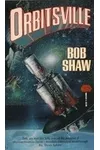
- For hard sci-fi and grand concepts: Start with Orbitsville (1974). It introduces a massive Dyson Sphere and details humanity's reaction to a world with virtually infinite living space.
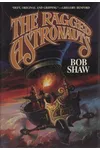
- For unique world-building and adventure: Start with The Ragged Astronauts (1986). It is the first book in the Land and Overland trilogy, set in a system where two twin planets share an atmosphere and humans travel between them in hot-air balloons.
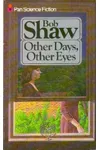
- For thought-provoking, high-concept drama: Start with the novel Other Days, Other Eyes (1972) or the classic short story it was built around, "Light of Other Days" (1966), which introduces the concept of "slow glass"—a material that delays light so viewers look directly into the past.
The Land and Overland Trilogy
This is widely considered Shaw's masterpiece of world-building. The trilogy should be read in chronological and publication order:
- The Ragged Astronauts (1986) – Explores the flight of humanity from the planet Land to Overland via hot-air balloon flight to escape an ecological crisis.
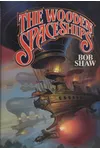
- The Wooden Spaceships (1988) – Details the subsequent conflicts and technological developments between the two worlds.
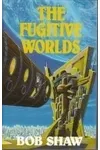
- The Fugitive Worlds (1989) – Concludes the saga with a new threat emerging from the boundaries of their shared space.
The Orbitsville Trilogy
This trilogy spans nearly two decades of publication and deals with the discovery and colonization of a Dyson Sphere. The reading order is straightforward and matches publication:
- Orbitsville (1974) – The initial discovery of the sphere by pilot Vance Garamond.
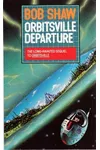
- Orbitsville Departure (1983) – Set years later, focusing on the cultural and spiritual evolution of the humans living within the sphere.
- Orbitsville Judgement (1992) – The final chapter, where humanity faces external judgment and existential resolution regarding the sphere's creators.
The Warren Peace Duology
For readers who appreciate satirical, lighthearted, and comedic science fiction, Shaw created a humorous space-opera sequence. Note the alternate titles for the second book:
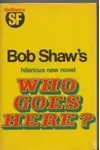
- Who Goes Here? (1977) – Introduces Warren Peace, a man who joins the Space Legion to forget his past, only to have his memory accidentally wiped.
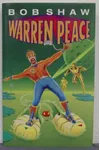
- Warren Peace (1993) – The sequel, which was also published under the title Dimensions (often packaged or re-released under combined names like Warren Peace/Dimensions).
Navigating the Standalones and Alternate Titles
Many of Bob Shaw's novels are standalones. Some have been released under different names in US and UK markets. Key standalones to watch out for include:
- Other Days, Other Eyes (1972) – A "fix-up" novel incorporating his award-nominated slow glass short stories ("Light of Other Days" and "Burden of Proof").
- The Peace Machine (1971) – Also published under the title Ground Zero Man.
- Terminal Velocity (1978) – Originally published under the title Vertigo.
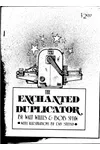
- The Enchanted Duplicator (1954) – A legendary fan-favorite allegory co-authored with Walt Willis, satirizing the quest to create the perfect fanzine.