




Where to Start Reading Bob Woodward
Bob Woodward's bibliography represents a half-century of investigative journalism, detailing the inner workings of the American presidency and the exercise of power. Because his books are works of narrative non-fiction, you do not need to read them in a single strict order. Instead, the most practical way to read Bob Woodward is by thematic tracks or chronological presidential eras. Here are the four primary reading paths recommended for diving into his work:
Track 1: The Watergate and Nixon Saga
This is where it all began. If you want to understand the scandal that redefined investigative reporting and brought down a president, follow this sequence:
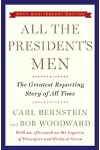
- All the President's Men (Originally published in 1974; co-authored with Carl Bernstein) – The classic account of how Woodward and Bernstein chased down the Watergate break-in leads for The Washington Post.
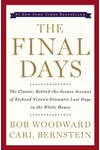
- The Final Days (Originally published in 1976; co-authored with Carl Bernstein) – A dramatic, intimate look at the final months of Richard Nixon's presidency as his administration collapsed.
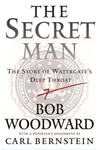
- The Secret Man: The Story of Watergate's Deep Throat (2005) – A retrospective memoir detailing Woodward's relationship with Mark Felt, his legendary anonymous source.
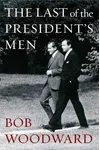
- The Last of the President's Men (2015) – The story of Alexander Butterfield, the deputy White House chief of staff who revealed the existence of Nixon's secret taping system.
Track 2: The Bush at War Quadrology
Woodward's most structured multi-book series focuses on the presidency of George W. Bush, particularly the decisions surrounding the post-9/11 wars. Read these in order of publication for the best narrative flow:
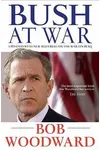
- Bush at War (2002) – Examines the immediate aftermath of September 11 and the initial military campaign in Afghanistan.
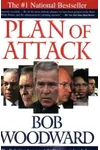
- Plan of Attack (2004) – Details the secret planning and intelligence assessments leading up to the 2003 invasion of Iraq.
- State of Denial: Bush at War, Part III (2006) – Focuses on the administration's struggles to manage the Iraq insurgency and the growing public discontent.
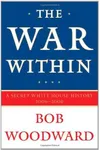
- The War Within: A Secret White House History, 2006-08 (2008) – Chronicles the internal debates, military disagreements, and the implementation of the Iraq troop surge.
Track 3: The Trump Presidency Trilogy and Companion Tapes
During the administration of Donald Trump, Woodward returned to the forefront of presidential chronicles with a trio of highly detailed accounts, followed by a raw interview archive:
- Fear: Trump in the White House (2018) – An inside look at the chaotic decision-making and policy disputes of Trump's early years in office.
- Rage (2020) – Draws on 18 on-the-record interviews with Trump to detail the administration's response to the COVID-19 pandemic and national security challenges.
- Peril (2021; co-authored with Robert Costa) – Focuses on the transition period between the Trump and Biden presidencies, culminating in the events of January 6, 2021.
- The Trump Tapes: Bob Woodward's Twenty Interviews with President Donald Trump (2022/2023) – A companion work featuring the full transcripts and context of Woodward's recorded conversations with Trump.
Track 4: The Presidential Chronology Track
For readers who want to trace the evolution of modern political power, you can read Woodward's administrative histories in chronological order. This path helps you see how each presidency inherited the crises and precedents of its predecessor:
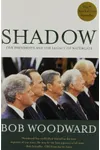
- Shadow: Five Presidents and the Legacy of Watergate (1999) – Explores how the scandal altered the executive branch under Ford, Carter, Reagan, Bush Sr., and Clinton.
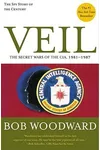
- Veil: The Secret Wars of the CIA, 1981-1987 (1987) – Inside the Reagan administration's covert operations and the Iran-Contra affair.
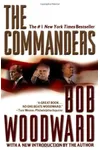
- The Commanders (1991) – Focuses on military decision-making during the George H.W. Bush administration, particularly during the Gulf War.
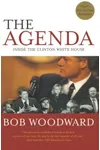
- The Agenda: Inside the Clinton White House (1994) – Inside Bill Clinton's early struggles with fiscal policy and staff organization.
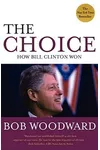
- The Choice: How Bill Clinton Won (1996) – Focuses on the campaigns, strategies, and political battles of the 1996 presidential election.
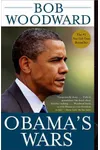
- Obama's Wars (2010) – Explores the internal struggles and policy debates over the war in Afghanistan during Barack Obama's first term.
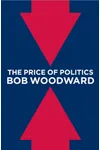
- The Price of Politics (2012) – Details the economic debates, budget negotiations, and fiscal standoffs between President Obama and congressional leaders.
- War (2024) – Chronicles the Biden administration's handling of global conflicts in Ukraine and Gaza, and the political rivalry leading into the 2024 election.
Bob Woodward Books in Original Publication Order
While some bibliographies list dates corresponding to modern reissues or paperback printings (such as 2007 for All the President's Men or 2013 for The Final Days), the list below outlines his works by their original, historic publication years to give readers a true sense of his career's progression:
- All the President's Men (1974) – Co-authored with Carl Bernstein.
- The Final Days (1976) – Co-authored with Carl Bernstein.
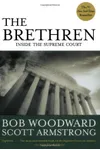
- The Brethren: Inside the Supreme Court (1979) – Co-authored with Scott Armstrong.
- Wired: The Short Life and Fast Times of John Belushi (1984) – Woodward's rare venture into pop culture and celebrity biography.
- Veil: The Secret Wars of the CIA, 1981-1987 (1987).
- The Commanders (1991).
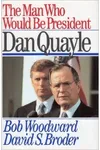
- The Man Who Would Be President: Dan Quayle (1992) – Co-authored with David S. Broder.
- The Agenda: Inside the Clinton White House (1994).
- The Choice: How Bill Clinton Won (1996).
- Shadow: Five Presidents and the Legacy of Watergate (1999).
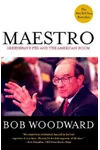
- Maestro: Greenspan's Fed and the American Boom (2000) – A focused study on Alan Greenspan and economic policy.
- Bush at War (2002).
- Plan of Attack (2004).
- The Secret Man: The Story of Watergate's Deep Throat (2005).
- State of Denial: Bush at War, Part III (2006).
- The War Within: A Secret White House History, 2006-08 (2008).
- Obama's Wars (2010).
- The Price of Politics (2012).
- The Last of the President's Men (2015).
- Fear: Trump in the White House (2018).
- Rage (2020).
- Peril (2021) – Co-authored with Robert Costa.
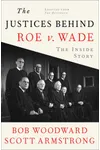
- The Justices Behind Roe V. Wade: The Inside Story (2021) – Adapted from The Brethren.
- The Trump Tapes: Bob Woodward's Twenty Interviews with President Donald Trump (2022/2023).
- War (2024).
Chronological vs. Publication Order Caveats
Reading Bob Woodward's books in publication order shows how political reporting evolved from the shoe-leather journalism of the 1970s to the instant-access digital age. However, reading them chronologically by the historical events they cover can sometimes be confusing because Woodward frequently returned to older eras to add context. For example, The Secret Man (2005) and The Last of the President's Men (2015) deal directly with the Nixon administration, yet they were written decades after All the President's Men. When constructing a chronological history of the presidency, these retrospective books should be read alongside his 1970s Watergate classics.
What to Know Before You Start
Before diving into Woodward's books, there are several key elements of his style and approach that readers should keep in mind:
- Deep Background and Access Journalism: Woodward's writing relies heavily on "deep background" interviews. This means information, quotes, and scenes are reconstructed from discussions with key players who are often not named. While this allows for unparalleled insider access, it also means readers must trust Woodward's synthesis of events and notes.
- Standalones vs. Connected Series: With the exception of the Bush at War series and the Trump trilogy, almost all of Woodward's books are designed as standalones. You can easily pick up The Brethren (Supreme Court) or Wired (John Belushi) without needing any background from his other works.
- Co-Authors and Collaborations: While Woodward is a solo author on many books, some of his most famous works are joint efforts. His early books were written with Carl Bernstein. He also partnered with Scott Armstrong for The Brethren, David S. Broder for the Dan Quayle biography, and Robert Costa for Peril.
- The Non-Political Outlier: Wired (1984) is a notable departure from his political focus. It explores the tragic death of comedian John Belushi and the Hollywood drug culture, proving that Woodward's investigative techniques could apply outside the halls of Washington.