

How to Read Bret Kissinger's Novels
Bret Kissinger has carved a unique niche in the historical fiction and suspense genres. Because all of his novels are written as standalones, there is no single overarching narrative thread or series continuity that you must follow. You are free to pick up any of his books in any order you choose without worrying about missing critical plot details from previous releases.
However, to get the best experience out of his bibliography, readers generally choose one of three approaches: reading by publication order to witness his evolution as a storyteller, reading chronologically by the historical era in which the books are set, or sorting by subgenre and theme. Below, we break down these different pathways to help you decide where to start your journey.
Bret Kissinger Books in Publication Order
Reading in order of release is the most straightforward way to dive into Kissinger's library. Since his self-published debut in 2018, his writing style has refined, expanding from intimate historical dramas to complex suspense thrillers and multi-perspective war stories.
- Forever Fleeting (2018) – A heart-wrenching World War II saga detailing love, survival, and tragedy spanning pre-war Berlin, Stalingrad, and the Auschwitz concentration camp.
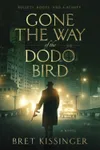
- Gone the Way of the Dodo Bird (2020) – A shift in tone to the gritty, dangerous streets of Prohibition-era Chicago, focusing on organized crime, betrayal, and underworld survival.
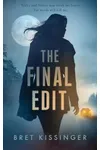
- The Final Edit (2022) – A contemporary mystery and suspense thriller about a college student turned editor who uncovers a dark, personal conspiracy tied to her past.
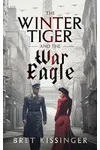
- The Winter Tiger & The War Eagle (2023) – A forbidden World War II romance between Kira, a deadly Soviet sniper known as the "Winter Tiger," and Reinhardt, a skilled German pilot known as the "War Eagle."
- The Surviving Remnant (2024) – A historical drama set in 1964, following Jakub, a Holocaust survivor who survived Dachau and Sobibor, as he confronts a chance for justice and revenge against a figure from his past.
- Whispers Through the Wall (2025) – A Cold War historical drama centering on Lieselotte and Wolfgang, childhood pen pals separated when the Berlin Wall goes up in 1961.
Chronological Order of Historical Settings
If you prefer to move through history chronologically, Kissinger’s books span from the 1920s to the modern era. Reading them in this order lets you travel through the mid-20th century's most defining historical epochs:
- Gone the Way of the Dodo Bird (Set during the Prohibition era of the 1920s and 1930s)
- Forever Fleeting (Set during the late 1930s and World War II)
- The Winter Tiger & The War Eagle (Set during the height of World War II on the Eastern Front and in Paris)
- The Surviving Remnant (Set in 1964, dealing with the aftermath of the Holocaust and World War II)
- Whispers Through the Wall (Set during the Cold War, beginning in 1959 and transitioning through the 1961 construction of the Berlin Wall)
- The Final Edit (Set in the modern day)
Where Should You Start?
Because Bret Kissinger's catalog covers different eras and tones, your ideal starting point depends on what genres you enjoy most:
For Fans of World War II History & Romance
If you are drawn to epic wartime stories and emotional relationships, start with The Winter Tiger & The War Eagle or his debut, Forever Fleeting. Both books showcase Kissinger's ability to ground grand, devastating historical conflicts in deeply personal, human relationships.
For Fans of Espionage and the Cold War
If you prefer the tension of divided cities, secret police, and escape attempts, start with Whispers Through the Wall. This novel captures the paranoia and emotional cost of the Berlin Wall's construction on ordinary people separated by the Iron Curtain.
For Fans of Gritty Crime and Gangsters
If you want a fast-paced noir thriller, pick up Gone the Way of the Dodo Bird. It exchanges the battlefields of Europe for the speakeasies and back alleys of Prohibition-era Chicago, offering a darker look at crime and loyalty.
For Fans of Contemporary Suspense
If you prefer modern mysteries over historical settings, The Final Edit is your best option. It is a pure suspense thriller that focuses on a psychological mystery rather than historical recreation.
What to Know Before You Start
Bret Kissinger's interest in writing historical fiction was sparked at a young age. Growing up in rural Wisconsin, a pivotal moment occurred in 1997 when he watched the film Titanic. The movie's success in weaving a fictional love story into the real-life tragedy of the shipwreck inspired him to use history as a vivid canvas for human drama. Later, witnessing the events of September 11, 2001, reinforced his belief that history is an active, sensory experience rather than just static facts in a textbook.
As a result, his novels place a heavy emphasis on emotional authenticity, sensory descriptions, and meticulous historical research. While his books deal with heavy themes—including the Holocaust, war, and political oppression—they consistently focus on resilience, the enduring nature of love, and the strength of the human spirit in times of extreme adversity.