















Where to Start with Brian Evenson
Brian Evenson is a master of the uncanny, writing minimalist, deeply philosophical horror and science fiction that strips away comfort and leaves readers in a state of psychological dread. Because almost all of his books are standalone novels, novellas, or collections, there is no single mandatory path. Instead, your best starting point depends on whether you prefer novels or short stories:
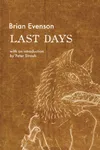
- For Novel Lovers: Last Days (2009). Widely considered Evenson’s masterpiece, this dark, noir-horror novel grew out of his 2003 chapbook The Brotherhood of Mutilation. It follows Kline, a maimed detective who is kidnapped by an exclusive cult obsessed with self-amputation. It is gripping, morbidly funny, and the perfect introduction to his style.
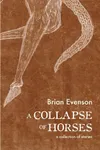
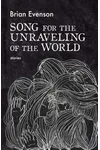
- For Short Story Lovers: Song for the Unraveling of the World (2019) or A Collapse of Horses (2016). Evenson’s minimalist prose is exceptionally powerful in short form. Song for the Unraveling of the World won both the Shirley Jackson and World Fantasy Awards, delivering a series of eerie stories about paranoia, shifting realities, and psychological distress. A Collapse of Horses offers a similarly haunting vibe, exploring cognitive slippage and existential dread.
The Dead Space Universe (As B.K. Evenson)
For readers looking for a structured series, Evenson wrote two tie-in novels for the popular Dead Space survival horror video game franchise using the pen name B.K. Evenson. These books expand the lore of the games, detailing the origins of the Church of Unitology and the mysterious black markers. You should read them in publication order:
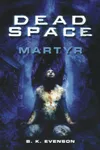
- Dead Space: Martyr (2010): Set years before the events of the first game, this novel explores geophysicist Michael Altman as he discovers the Marker and unwillingly becomes the prophet of a terrifying new religion.
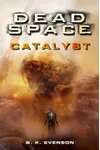
- Dead Space: Catalyst (2012): Set years after Martyr, this story follows two brothers, Jofre and Istvan, as they are drawn into a secret EarthGov facility testing replica Markers, leading to inevitable outbreaks.
The Standalone Novels and Major Collaborations
Evenson’s standalone novels traverse literary fiction, thriller, post-apocalyptic science fiction, and dark fantasy. They can be read in any order, though reading them in publication order demonstrates the evolution of his style from stark realism to weird genre hybridity:
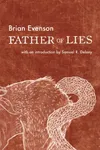
- Father of Lies (1998): A challenging, pitch-black critique of institutional authority and religious compliance, focusing on a predatory church leader and the systemic cover-ups that protect him.
- Dark Property (2002): A minimalist, brutal, and allegorical post-apocalyptic journey through a stark landscape.
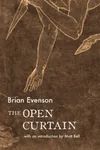
- The Open Curtain (2006): A psychological thriller that delves into Mormon history, centering on a teenager who becomes obsessed with the 1902 blood-atonement murder committed by William Hooper Young.
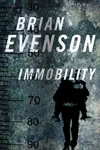
- Immobility (2012): A post-apocalyptic sci-fi novel featuring Hanta, a paralyzed man who is unfrozen after a disaster to retrieve an important cargo in a ruined landscape, navigating his missing memories along the way.
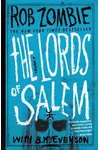
- The Lords of Salem (2013): A collaborative novelization co-authored with filmmaker Rob Zombie. Based on Zombie's movie of the same name, this book expands Heidi Hawthorne's descent into a witch-related nightmare, combining Zombie’s visceral energy with Evenson’s atmospheric minimalism.
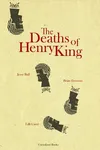
- The Deaths of Henry King (2015): An experimental collaborative book with Jesse Ball and illustrator Lilli Carré, charting the dark, comical, and bizarre ways a single character dies dozens of times.
- Feral (2017): A post-apocalyptic horror novel co-authored with James DeMonaco (creator of The Purge). It details a world where a virus has wiped out or mutated the male population into aggressive 'ferals,' forcing a small colony of female survivors to fight for survival.
The Essential Short Story Collections
To fully experience Evenson's literary impact, you must read his short fiction collections. They represent the heart of his bibliography and can be read in any order. The collections include:
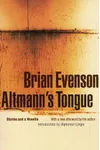
- Altmann's Tongue (1994): Evenson's controversial debut collection. Its graphic, stark depictions of violence and moral ambiguity sparked major debates during his tenure at Brigham Young University, ultimately leading to his departure from the school and the Mormon Church.
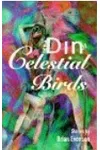
- The Din of Celestial Birds (1997): A collection of surreal, poetic, and philosophical vignettes.
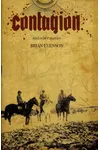
- Contagion and Other Stories (2000): Stories focused on religious history, disease, and the breakdown of identity.
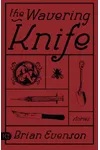
- The Wavering Knife (2004): Winner of the IHG Award for Best Collection, featuring dark humor and absurdist horrors.
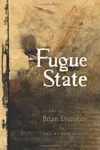
- Fugue State (2009): Stories exploring memory loss, linguistic disintegration, and shifting realities.
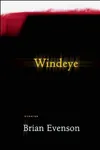
- Windeye (2012): An unsettling collection exploring the boundaries between reality, dream, and memory.
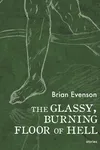
- The Glassy, Burning Floor of Hell (2021): A collection of twenty-two stories focusing on environmental collapse, the post-Anthropocene, and how the most monstrous threat to Earth is humanity itself.
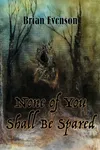
- None of You Shall Be Spared (2023): A collection of twenty stories, including the rare novella Baby Leg.
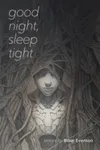
- Good Night, Sleep Tight (2024): Evenson's latest collection of strange fiction, continuing to push the limits of speculative horror.
Standalone Novellas, Chapbooks, and Digital Releases
Evenson has also published several shorter works that offer concentrated doses of his signature dread:
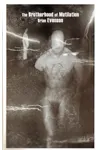
- The Brotherhood of Mutilation (2003): A limited-edition chapbook that served as the foundation for the first half of the novel Last Days. If you have read Last Days, you have already experienced this story.
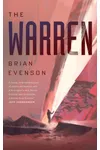
- The Warren (2016): A sci-fi novella published by Tor.com. It features a narrator who may or may not be human, living in a subterranean shelter and trying to understand his identity and the archives of those who came before.
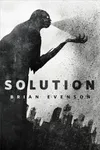
- Solution (2020): A short, eerie digital story released as part of Tor.com's original fiction.
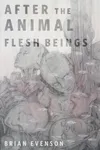
- After the Animal Flesh Beings (2023): A post-apocalyptic Tor.com original story split into five episodes, following a society of synthetic beings struggling to understand their dead human creators.
Non-Fiction and Literary Studies
For those interested in Evenson's academic and critical perspectives, he has written key non-fiction works:
- Ed vs. Yummy Fur (2014): A critical monograph published by Uncivilized Books that analyzes Chester Brown's alternative comic Ed the Happy Clown and the changes made when serial comics are consolidated into graphic novels.
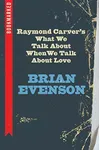
- Raymond Carver’s What We Talk About When We Talk About Love (2018): Written for the Bookmarked series, this book combines memoir and literary criticism, exploring Carver's influence on Evenson's minimalist development.
What to Know Before You Start
Before diving into Brian Evenson's library, keep these key points in mind:
- The Pen Names: Genre-heavy tie-in novels (like Dead Space and The Lords of Salem) are usually credited to B.K. Evenson, while his literary horror and short story collections are under Brian Evenson.
- Minimalism: Evenson uses sparse, simple language to convey deep terror. He does not rely on extensive adjectives; instead, the horror comes from what is left unsaid and the gaps in the characters' understanding.
- Theological and Philosophical Themes: Drawing from his upbringing, Evenson frequently explores religious manipulation, moral decay, loss of bodily autonomy, and the collapse of language.