
How to Start Reading Brian Broome
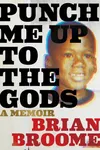
For readers diving into Brian Broome's evocative, poetic world of creative non-fiction, the choice of where to begin depends on the depth of experience you are looking for. However, the most recommended starting point is his full-length debut memoir, Punch Me Up to the Gods (2021). This landmark work provides the ultimate introduction to Broome's signature literary style—a mix of unflinching honesty, humor, and lyrical prose that dissects Black queer identity, addiction, and the pressures of masculinity in America.
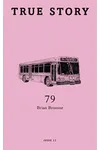
If you prefer a shorter preview of his style and thematic focus before committing to a full-length book, you can begin with 79 (2017). This longform essay serves as a thematic companion to his memoir, capturing his observations on a single bus route in Pittsburgh. It offers a bite-sized look at the themes of systemic isolation and personal reflection that Broome later expanded upon in his Kirkus Prize-winning debut.
Brian Broome Books in Publication Order
Brian Broome's published books and standalone creative non-fiction volumes follow a straightforward publication timeline. Although he has written numerous essays and columns for publications like The Washington Post, his major standalone works consist of the following:
- 79 (2017) – A longform creative non-fiction chapbook focusing on life and transit in Pittsburgh.
- Punch Me Up to the Gods (2021) – A full-length coming-of-age memoir exploring race, sexuality, and recovery.
Detailed Breakdown of Brian Broome's Works
79 (2017)
Originally published as Issue #11 of the True Story series by the literary magazine Creative Nonfiction, 79 is a chapbook-length essay. The narrative centers on Broome's experiences living in the East Hills neighborhood of Pittsburgh and his late-night rides on the Port Authority Transit (PAT) 79 bus route. Broome famously compares the looping route to a noose, using it to frame his observations on local gentrification, racial divides, socioeconomic isolation, and his personal struggle to find a sense of belonging. Written while he was honing his craft at Chatham University and the University of Pittsburgh, this piece highlights his early development as an observer of local American life.
Punch Me Up to the Gods (2021)
His debut memoir, Punch Me Up to the Gods, is the centerpiece of Broome's literary career. Structured creatively around Gwendolyn Brooks' famous 1960 poem "We Real Cool," the memoir utilizes the poem's lines to segment chapters detailing Broome's upbringing as a dark-skinned Black gay boy in Warren, Ohio. Throughout the memoir, Broome weaves in a framing device: a present-day observation of a young Black boy named Tuan and his father on a Pittsburgh bus. The memoir chronicles his struggles with a abusive household, societal homophobia, colorism within and outside his community, and his subsequent descent into severe drug and alcohol addiction. The journey culminates in his rehabilitation and self-acceptance, offering a redemptive look at how writing saved his life. The book won the 2021 Kirkus Prize for Nonfiction and the 2022 Lambda Literary Award for Gay Memoir.
Chronological Context and Reading Caveats
Because Brian Broome's works are memoirs and creative non-fiction essays, there is no fictional timeline or narrative continuity to follow. However, reading them in order of the events described provides a unique chronological perspective:
- Early Life and Coming of Age: Read the chapters in Punch Me Up to the Gods that focus on his childhood in Ohio during the 1970s and 1980s.
- Adulthood and Addiction: Read the later chapters of the memoir detailing his years in Pittsburgh and his path to recovery.
- The Bus Commutes: Read 79, which focuses on his later daily commutes in Pittsburgh and serves as a deeper look at the environment he lived in as an adult.
Ultimately, because the bus rides in both 79 and the framing narrative of Punch Me Up to the Gods occurred during similar periods of his adult life in Pittsburgh, the two works function best when read side-by-side as companion pieces. There are no major continuity errors or chronological discrepancies to worry about, allowing readers complete flexibility.
What to Know Before You Start
Before picking up Brian Broome's books, readers should be prepared for the heavy and mature themes he addresses. Broome does not shy away from detailing the physical and emotional abuse he suffered, the realities of systemic racism and colorism, the isolation of growing up queer in a small midwestern town, and the gritty details of drug and alcohol dependency. However, despite the dark subject matter, Broome's writing is celebrated for its wit, humor, and ultimate message of resilience. His work is heavily influenced by the raw, fearless prose of James Baldwin, and he frequently employs poetic structures to elevate his narratives from traditional memoirs to works of literary art.