

























Where to Start with Brian Freemantle
For any reader new to Brian Freemantle, there is only one correct starting point: the Charlie Muffin series. Beginning with the 1977 debut, Charlie M (published in the UK simply as Charlie Muffin), this series introduces one of espionage fiction's greatest underdogs. Charlie is a rumpled, working-class agent who outwits both foreign adversaries and his own upper-class, bureaucratic superiors. Because of the deep character development, evolving political climates, and ongoing personal story arcs, we highly recommend reading the Charlie Muffin books in strict publication order rather than attempting to jump in midway.
The Charlie Muffin Series in Order
The Charlie Muffin series spans several decades of Cold War and post-Cold War politics. Keep an eye out for alternate US and UK titles, which are listed below:
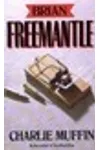
- Charlie Muffin / Charlie M (1977)
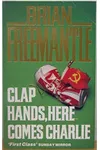
- Clap Hands, Here Comes Charlie / Here Comes Charlie M (1978)
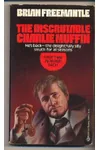
- The Inscrutable Charlie Muffin (1979)
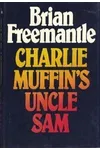
- Charlie Muffin's Uncle Sam / Charlie Muffin U.S.A. (1980)
- Madrigal For Charlie Muffin (1981)
- Charlie Muffin and Russian Rose / The Blind Run (1985)
- Charlie Muffin San / See Charlie Run (1987)
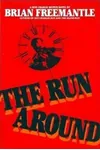
- The Run Around (1988)
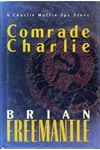
- Comrade Charlie (1989)
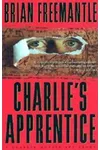
- Charlie's Apprentice (1993)
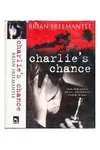
- Charlie's Chance / Bomb Grade (1996)
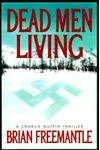
- Dead Men Living (2000)
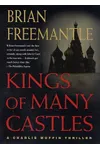
- Kings of Many Castles (2002)
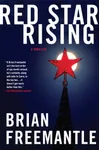
- Red Star Rising (2010)
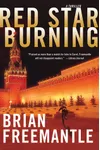
- Red Star Burning (2012)
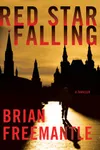
- Red Star Falling (2013)
Note that the final three novels (Red Star Rising, Red Star Burning, and Red Star Falling) form a specific post-Cold War trilogy within the series, dealing with Charlie's complex relationship with Russian intelligence and his FSB colonel wife, Natalia.
The Cowley and Danilov Series
If you finish the Charlie Muffin series and want more, Freemantle's Cowley and Danilov novels are a fantastic follow-up. Set in the immediate aftermath of the Cold War, the series follows the uneasy partnership between FBI Agent William Cowley and Dimitri Danilov, a Colonel in the Moscow People's Militia, as they tackle the rise of global organized crime. These should be read in order:
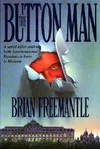
- The Button Man / In the Name of a Killer (1992)
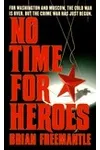
- No Time for Heroes (1994)
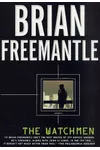
- The Watchmen (2002)
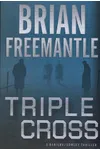
- Triple Cross (2004)
The Sebastian Holmes Series
In a unique departure from traditional espionage, Freemantle penned a duology centering on Sebastian Holmes, the illegitimate son of Sherlock Holmes. These novels blend historical mystery with early 20th-century political intrigue:
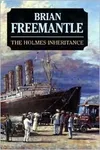
- The Holmes Inheritance (2004)
- The Holmes Factor (2005)
Standalone Novels and Pen Names
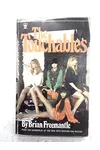
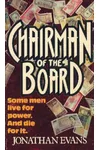
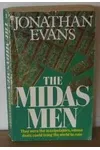
Freemantle was an incredibly prolific author who wrote under several pseudonyms, including Jack Winchester, Jonathan Evans, Harry Asher, and Andrea Hart. Standalones like The Touchables (1969, his debut) or his historical investigations like The Mary Celeste (1979) can be read in any order. The financial thrillers written under the name Jonathan Evans (such as Midas Men and Monopoly) are highly regarded for their details of corporate sabotage and international banking intrigue.
Clearing Up a Common Database Error
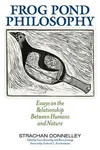
Many online book databases incorrectly credit Brian Freemantle with a series called the Culture of the Land Books, listing titles like Frog Pond Philosophy and The Agrarian Vision. This is a database error. These books are ecological and agrarian essays written by other authors (such as Strachan Donnelley and Paul B. Thompson) and published as part of a series by the University Press of Kentucky. You can safely skip these when seeking Freemantle's thriller catalog.
What to Know Before You Start
Freemantle's thrillers are characterized by their dry wit, detailed spycraft, and heavy cynicism regarding intelligence agencies. As a former foreign editor for the Daily Mail, Freemantle drew heavily on his real-world experiences covering the Cold War, witnessing spy exchanges, and even organizing a historic humanitarian orphan airlift during the fall of Saigon in 1975. This real-world grounding gives his books an authentic grit that sets them apart from typical spy adventures.