





Recommended Dune Reading Order (The Master Path)
How should you approach the massive, multi-decade expansion of Arrakis? Brian Herbert, co-authoring with Kevin J. Anderson, has expanded his father Frank Herbert's universe into a sprawling multi-millennium sci-fi tapestry. There are two primary schools of thought on how to tackle this: Publication Order (highly recommended for first-time readers) and Chronological Order (great for dedicated fans on a re-read).
Path 1: The Publication Order (Recommended)
Starting with publication order prevents spoilers and allows you to experience the evolution of the writing style and world-building. Under this path, you start with Frank Herbert's original masterpieces before diving into Brian's prequels, midquels, and conclusions. Here is the recommended publication sequence:
- Dune (1965)
- Dune Messiah (1969)
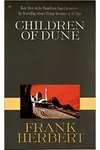
- Children of Dune (1976)
- God Emperor of Dune (1981)
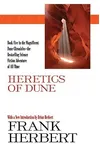
- Heretics of Dune (1984)
- Chapterhouse: Dune (1985)
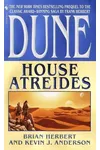
- House Atreides (1999) - Prelude to Dune Trilogy
- House Harkonnen (2000) - Prelude to Dune Trilogy
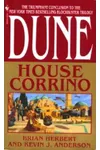
- House Corrino (2001) - Prelude to Dune Trilogy
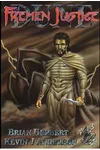
- Fremen Justice (2001) - Chapbook / Short Story
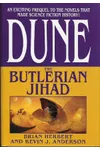
- The Butlerian Jihad (2002) - Legends of Dune Trilogy
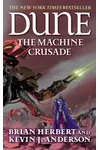
- The Machine Crusade (2002) - Legends of Dune Trilogy
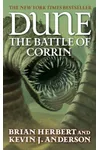
- The Battle of Corrin (2004) - Legends of Dune Trilogy
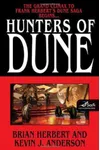
- Hunters of Dune (2006) - Sequel concluding the original saga
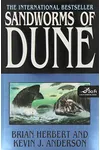
- Sandworms of Dune (2007) - Sequel concluding the original saga
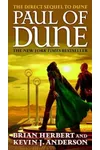
- Paul of Dune (2008) - Heroes of Dune
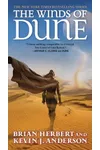
- The Winds of Dune (2009) - Heroes of Dune
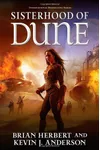
- Sisterhood of Dune (2011) - Great Schools of Dune Trilogy
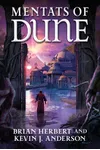
- Mentats of Dune (2014) - Great Schools of Dune Trilogy
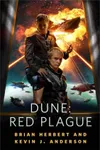
- Red Plague (2016) - Dune Short Story
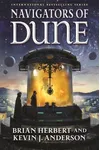
- Navigators of Dune (2016) - Great Schools of Dune Trilogy
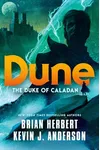
- The Duke of Caladan (2020) - The Caladan Trilogy
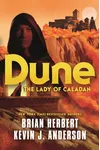
- The Lady of Caladan (2021) - The Caladan Trilogy
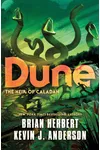
- The Heir of Caladan (2022) - The Caladan Trilogy
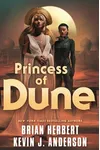
- Princess of Dune (2023) - Heroes of Dune
Chronological Order: The Arrakis Timeline
If you want to read the history of the universe chronologically from the earliest mechanical uprising to the ultimate fate of humanity, this is the order to follow. Be warned: starting here may spoil certain elements of the original series and changes the pacing of the mystery surrounding the Bene Gesserit, the Butlerian Jihad, and the origins of the houses.
- The Butlerian Jihad (2002)
- The Machine Crusade (2002)
- The Battle of Corrin (2004)
- Sisterhood of Dune (2011)
- Mentats of Dune (2014)
- Red Plague (2016)
- Navigators of Dune (2016)
- House Atreides (1999)
- House Harkonnen (2000)
- House Corrino (2001)
- Fremen Justice (2001)
- Princess of Dune (2023)
- The Duke of Caladan (2020)
- The Lady of Caladan (2021)
- The Heir of Caladan (2022)
- Dune (1965)
- Paul of Dune (2008)
- Dune Messiah (1969)
- The Winds of Dune (2009)
- Children of Dune (1976)
- God Emperor of Dune (1981)
- Heretics of Dune (1984)
- Chapterhouse: Dune (1985)
- Hunters of Dune (2006)
- Sandworms of Dune (2007)
Chronological Caveats and Timeline Disagreements
Reading the Dune series in pure chronological order presents a few distinct challenges for readers. The biggest hurdle involves the "Heroes of Dune" series (such as Paul of Dune and The Winds of Dune). These books function as midquels, jumping back and forth in time and filling in the gaps between Frank Herbert's original works. For example, Paul of Dune takes place partly during Paul's childhood and partly between Dune and Dune Messiah. Reading them out of publication order can disrupt the narrative flow and spoil major plot revelations. Most fans agree that the original six novels should be read uninterrupted to preserve their thematic weight before exploring the timeline gaps filled in by Brian Herbert and Kevin J. Anderson.
Navigating the Expanded Dune Subseries
To make the massive list of books more digestible, it is easiest to view them as distinct thematic subseries. Each focuses on a specific historical era of the Dune universe:
- Prelude to Dune (The House Trilogy): Comprising House Atreides, House Harkonnen, and House Corrino, this trilogy takes place in the decades immediately leading up to the events of the original Dune, focusing on the early lives of Leto Atreides, Baron Harkonnen, and Shaddam IV.
- Legends of Dune: The Butlerian Jihad, The Machine Crusade, and The Battle of Corrin travel 10,000 years into the past to chronicle humanity's epic war against thinking machines led by Omnius.
- Great Schools of Dune: Consisting of Sisterhood of Dune, Mentats of Dune, and Navigators of Dune, this trilogy explores the immediate aftermath of the Butlerian Jihad and the early development of the Bene Gesserit, the Mentat school, and the Spacing Guild.
- The Caladan Trilogy: The most recent prequel trilogy, consisting of The Duke of Caladan, The Lady of Caladan, and The Heir of Caladan, details the direct events leading up to the family's transfer to Arrakis.
Beyond Arrakis: Brian Herbert's Original Sagas
While best known for expanding the Dune universe, Brian Herbert has written several original sci-fi series and standalones that highlight his unique voice, often weaving themes of environmentalism, political satire, and cosmic mystery.
The Timeweb Chronicles
This trilogy is a galaxy-spanning space opera with strong ecological themes. It centers on an interstellar web that connects the stars, and the threats that could tear it apart. The books should be read in order:
- Timeweb (2006)
- The Web and the Stars (2007)
- Webdancers (2008)
The Hellhole Trilogy
Co-authored with Kevin J. Anderson, this series depicts a harsh, devastated planet used as a colony for outcasts, which holds ancient alien secrets. Read them in this order:
- Hellhole (2011)
- Hellhole Awakening (2013)
- Hellhole Inferno (2014)
The Stolen Gospels Duology
A smaller, thought-provoking thriller series examining religious and philosophical themes. Read them in order:
- The Stolen Gospels (2011)
- The Lost Apostles (2011)
Selected Standalone Novels
For readers looking for standalone sci-fi or satirical works, Brian Herbert has written several notable novels. Sidney's Comet (1983) is a satirical story about a comet composed of consumer waste heading towards Earth. Man of Two Worlds (1986), co-authored with his father Frank Herbert, is a humorous and surreal story about a race of aliens who create the Earth and humanity through imagination.
What to Know Before You Start
When diving into the expanded Dune novels, it helps to adjust your expectations. Frank Herbert's original books are highly philosophical, dense, and slow-paced. In contrast, Brian Herbert and Kevin J. Anderson's books are written in a faster, action-oriented, space-opera style. They focus heavily on resolving long-standing mysteries of the lore. Because they are based on Frank Herbert's extensive working notes, they provide definitive answers to what he envisioned for the final books of the saga, particularly in Hunters of Dune and Sandworms of Dune, which serve as the long-awaited "Dune 7" sequel.