













Where to Start with Bruce Sterling
For readers looking to dive into Bruce Sterling’s work, the best starting points depend on your interest in cyberpunk, steampunk, or speculative near-future thrillers. Because Sterling is known as a movement definer and a futurist rather than a writer of massive multi-volume series, his catalog consists mostly of standalones, short story collections, and one central fictional universe. Here are the recommended starting paths for new readers:
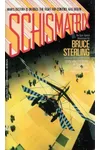
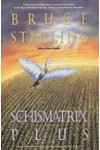
- The Core Cyberpunk Entry: Start with Schismatrix Plus (1995). This omnibus includes his only novel set in the Mechanist-Shaper universe, Schismatrix (1985), along with all five seminal short stories set in the same world. It is widely considered his masterpiece and the most complete representation of his posthuman vision.
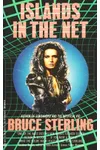
- The Near-Future Thriller Entry: Read Islands in the Net (1988). A winner of the John W. Campbell Memorial Award, this standalone novel explores a decentralized, corporate-led digital world facing data piracy, reflecting themes that feel remarkably prescient in the internet age.
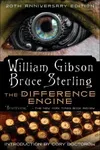
- The Steampunk Entry: Try The Difference Engine (1990), co-authored with William Gibson. This historical speculative novel set in Victorian England is widely credited with defining the steampunk genre.
The Mechanist-Shaper Universe
The Mechanist-Shaper series is Sterling's most famous and influential fictional universe. It depicts a 23rd-century solar system where humanity has fractured into two competing ideological and technological factions: the Mechanists, who rely on cybernetic prosthetics, software, and hardware to extend their capabilities; and the Shapers, who use genetic engineering, biological alteration, and psychological conditioning.
To read the Shaper/Mechanist stories, you should seek out the omnibus collection Schismatrix Plus. The publishing order of these stories spans from 1982 to 1985, and reading them in either order provides a rewarding experience:
1. The Short Stories (First Published in Crystal Express, later collected in Schismatrix Plus)
These stories build the world, factions, and philosophy of the solar system before the timeline of the novel:
- "Swarm" (1982): Follows a Shaper agent investigating a mindless, symbiotic alien hive-mind.
- "Spider Rose" (1982): Focuses on a Mechanist belt-dweller who receives an exotic biological pet from a Shaper spacecraft.
- "Cicada Queen" (1983): Explores corporate intrigue, politics, and posthuman subcultures in a space habitat.
- "Sunken Gardens" (1984): Explores a terraforming competition on Martian soil.
- "Twenty Evocations" (1984): A fragmented biography outlining the life, training, and death of a Shaper clone.
2. The Novel
- Schismatrix (1985): The central narrative following Abelard Lindsay, a rebellious diplomat who travels across the solar system, living through decades of shifting factional alliances, technological evolution, and humanity's transition to a posthuman state.
Standalone Novels and Collaborative Milestones
Apart from the Shaper/Mechanist universe, Sterling has written a wide array of standalone novels that tackle different speculative futures:
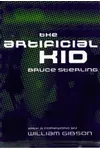
- The Artificial Kid (1980): An early proto-cyberpunk novel set on a planet called Reverie, focusing on a street combat star who broadcasts his fights.
- The Difference Engine (1990): Co-authored with William Gibson, this novel imagines an alternate Victorian era where Charles Babbage successfully built his mechanical computer, leading to a steam-powered information age.
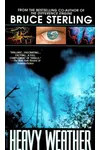
- Heavy Weather (1994): A near-future eco-thriller that follows a group of storm-chasers tracking massive superstorms triggered by global climate collapse.
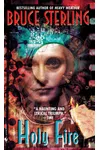
- Holy Fire (1996): A Hugo-nominated exploration of life extension, gerontocracy, and youth subcultures in a high-tech society obsessed with wellness and safety.
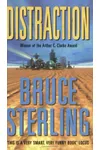
- Distraction (1998): A satirical political thriller focusing on a nomadic, high-tech spin doctor navigating a chaotic, bankrupt United States in the mid-21st century.
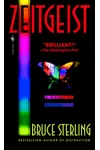
- Zeitgeist (2000): A surreal, satirical novel about a pop-group promoter dealing with globalized marketing, conspiracies, and shifting realities at the turn of the millennium.
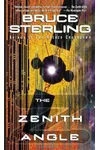
- The Zenith Angle (2004): A post-9/11 cyber-thriller focusing on a computer security expert navigating government defense contracts and digital warfare.
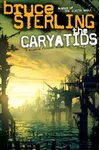
- The Caryatids (2009): An eco-thriller detailing three cloned sisters attempting to save a ruined, climate-wrecked Earth using divergent futuristic strategies.
- Pirate Utopia (2015): A dieselpunk alternative history novella focusing on futurists and anarchists in the post-WWI Regency of Carnaro.
Essential Collections & Anthologies
Sterling is a master of short fiction, and his collections compile some of his most influential shorter works:
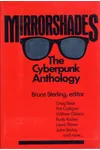
- Mirrorshades: The Cyberpunk Anthology (1986): Edited by Sterling, this collection served as the manifesto and definitive showcase for the cyberpunk movement, featuring stories by William Gibson, Pat Cadigan, Rudy Rucker, and Sterling himself.
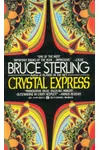
- Crystal Express (1989): Sterling's first collection, which originally compiled the five Shaper/Mechanist stories alongside other sci-fi and fantasy stories (such as "Flowers of Edo" and "Dinner in Audoghast").
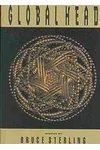
- Globalhead (1992): A diverse collection containing stories like "Our Neural Chernobyl," focusing on genetic engineering accidents and technological mutations.
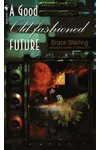
- A Good Old-Fashioned Future (1999): Features the Hugo Award-winning novelette "Bicycle Repairman" (1996) and "Taklamakan" (1998), set in a shared near-future world detailing the lives of tech-savvy workers.
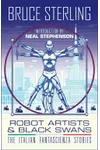
- Robot Artists and Black Swans: The Italian Fantascienza Stories (2021): Sterling's recent collection of speculative fiction stories set in or inspired by Italy, reflecting his years of living in Europe.
Reading Order Caveats & Non-Fiction
When navigating Sterling's bibliography, keep these structural notes in mind:
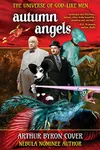
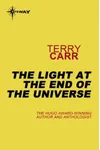
- The Harlan Ellison Discovery Books: Sterling's debut novel, Involution Ocean (1977), was published as part of the Harlan Ellison Discovery Series (specifically Volume 5). Note that other books in this list (such as Arthur Byron Cover's Autumn Angels and Terry Carr's The Light at the End of the Universe) are not written by Sterling; the series was a curated showcase of different emerging authors introduced by Ellison.
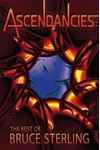
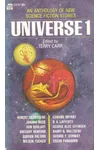
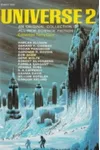
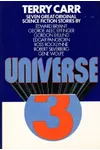
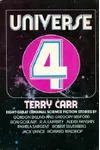
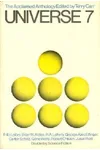
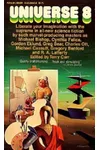
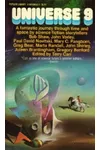
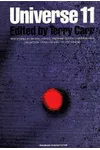
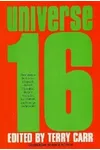
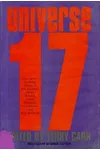
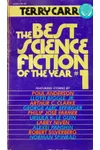
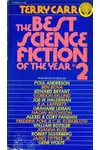
- Universe & Best Science Fiction Anthologies: Lists referencing "Universe 1-17" or "The Best Science Fiction of the Year" refer to annual anthologies edited by Terry Carr and others where Sterling's early short fiction first appeared (e.g., "Cicada Queen" in Universe 13). You do not need to buy these anthologies to read his stories, as they are collected in his standalone compilations like Schismatrix Plus and Ascendancies.
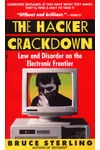
- Non-Fiction Futurist Works: Readers interested in Sterling's real-world tech analysis should look at The Hacker Crackdown: Law and Disorder on the Electronic Frontier (1992), a highly readable journalistic account of the early law enforcement crackdown on hacker communities, which Sterling made freely available online.