

How to Read the Sea Wolf Series
If you are looking to embark on the tense, underwater missions of U-boat commander Baldur Wolz, the reading path is straightforward. The series follows a clear chronological progression that aligns perfectly with the order of publication. Beginning with the outbreak of submarine warfare in the Atlantic and moving through campaigns in Norway, the Mediterranean, and eventually the American eastern seaboard, reading the books in order of release is highly recommended to fully appreciate Wolz's character arc and the changing tides of World War II.
The Sea Wolf Books in Order
Here is the complete list of Bruno Krauss's naval novels in their recommended reading order, detailing the escalating pressure of the U-boat war:
1. Steel Shark (1978)
This debut novel introduces readers to U-boat commander Baldur Wolz, nicknamed the "Sea Wolf," and the crew of the submarine U-42. The plot centers on a deadly, claustrophobic cat-and-mouse duel in the North Atlantic. Wolz must use every ounce of his tactical cunning to evade and outmaneuver a relentless British destroyer that is determined to sink them.
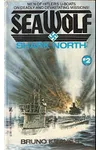
2. Shark North (1978)
Set during the freezing winter of 1940, this installment takes Wolz away from convoy hunting and into the icy, narrow Norwegian fjords. Under direct orders from the Führer, the Sea Wolf must execute a highly sensitive covert operation to retrieve a civilian. The mission pushes Wolz's crew to their limits and tests his willingness to be ruthless in the face of extreme danger.
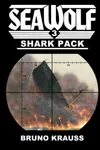
3. Shark Pack (1978)
Set in the summer of 1940, following the fall of France, the U-boat campaign enters its most aggressive phase. German submarines begin operating in coordinated groups to devastate Allied shipping. Wolz and his crew join these deadly "wolf pack" operations in the Atlantic, stalking and torpedoing heavily guarded British merchant convoys.
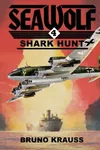
4. Shark Hunt (1980)
Following a successful mission off the coast of Iceland, disaster strikes the crew. A catastrophic accident leaves Wolz stranded and drifting in the open ocean. This novel shifts focus from naval tactics to raw, desperate survival as the commander faces the elements and the psychological toll of isolation in the Atlantic.
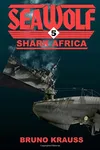
5. Shark Africa (1981)
In this book, the theater of war shifts to the Mediterranean. Command of the U-55 is handed to Wolz, who is tasked with supporting Field Marshal Erwin Rommel's North African campaign. The crew must contend not only with aggressive Allied air and sea patrols but also with severe mechanical failures that threaten to turn their submarine into a steel tomb.
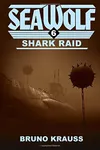
6. Shark Raid (1982)
Continuing the Mediterranean and North African campaign, Wolz finds himself trapped in a high-stakes Allied net. To survive and strike back, he must pioneer the use of a new experimental vessel, the Hecht midget submarine. This book highlights the technological desperation of the mid-war period and the extreme risks taken by submarine crews.
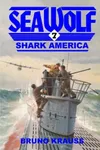
7. Shark America (1982)
Taking the battle directly to the enemy's doorstep, Wolz takes command of the U-451. Prowling the American eastern seaboard, the crew targets merchant vessels and tankers, exploiting the initially weak American coastal defenses in a series of daring raids.
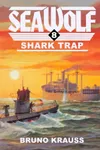
8. Shark Trap (1982)
In the final chapter of the saga, the U-451 is refitted and sent back into the Atlantic. However, the veteran crew has been depleted, leaving Wolz to lead a crew consisting mostly of green, raw recruits. With the tide of war turning and Allied anti-submarine technology advancing, Wolz must navigate a deadly trap to intercept American tankers supplying Great Britain.
Chronological Flow and Context
The Sea Wolf saga spans from the early successes of the German U-boat fleet in 1939-1940 to the desperate, defensive battles later in the war. Reading the books sequentially allows you to witness the evolution of submarine warfare, from simple torpedo runs to wolf pack tactics, midget submarine raids, and the ultimate struggle against advanced Allied radar and sonar.
What to Know Before You Start
Written under the pseudonym Bruno Krauss, this series was actually penned by the prolific British science fiction and adventure author Kenneth Bulmer. Bulmer chose the German-sounding pen name to give these novels an air of authenticity, as they are written entirely from the perspective of the German Navy. Unlike many post-war novels that paint the conflict in simple black-and-white terms, Krauss's writing humanizes the German sailors, focusing on their loyalty to each other, their professional duty, and the sheer terror of underwater combat, while avoiding political sanitization. Note that while the final two books were originally published in 1982, they received modern digital reissues in 2016, which is why some modern bookstore listings display 2016 as their release date.