






















Where to Start Reading Captain W.E. Johns
With over 160 books spanning decades of publication, diving into the works of Captain W.E. Johns can feel daunting. The best starting point depends on whether you want to experience the series as original readers did or follow the main character's life story chronologically.
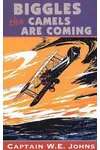
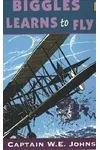
For first-time readers, the recommended starting point is the First World War Era of the Biggles series. Specifically, starting with Biggles Learns to Fly (1935) gives you the chronological beginning of his aviation career. Alternatively, starting with the first published book, The Camels Are Coming (1932), introduces you directly to the raw, thrilling short stories that started the entire phenomenon.
Publication Order vs. Chronological Order
Because W.E. Johns wrote Biggles stories over a span of 36 years, he did not write them in a linear chronological sequence. He frequently jumped back in time to write prequels about Biggles' youth or his early days on the Western Front, resulting in a distinct split between publication and chronological orders.
- Publication Order: Follows the actual release dates of the books. Reading this way allows you to see Johns' progression as a writer, moving from gritty, adult-oriented magazine stories in 1932 to more structured young-adult adventures in the post-WWII years.
- Chronological Order: Arranges the books to trace Biggles' life timeline from his childhood (e.g., The Boy Biggles, published in 1968), through school (Biggles Goes to School, 1951), into World War I, the interwar years, World War II, and finally his police detective career.
The Four Main Eras of Biggles
The Biggles series is traditionally divided into four major narrative periods, which reflect historical changes throughout the 20th century:
- The First World War: Biggles serves as a teenage pilot in the Royal Flying Corps (RFC). These stories are characterized by dogfights, high casualties, and authentic technical details based on Johns' own experiences.
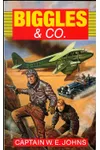
- The Interwar Years: Biggles runs a private air charter business, "Biggles & Co.", traveling to exotic locales, fighting pirates, and occasionally executing missions for British intelligence. During this period, he recruits his young working-class sidekick, Ginger Hebblethwaite (first appearing in Biggles Hits the Trail).
- The Second World War: Biggles returns to active military duty as a squadron leader commanding the fictional 666 Spitfire Squadron, bringing back old friends like Algy Lacey and adding new squad members like Bertie Lissie.
- The Police and Interpol Era: Post-WWII, Biggles joins the "Special Air Police" based at Scotland Yard (later working globally as an Air Detective-Inspector in stories like Biggles of the Interpol).
Spinoffs, Crossovers, and Other Major Series
W.E. Johns did not limit his storytelling to Biggles; he created several other memorable characters that exist within a shared atmosphere, occasionally crossing paths:
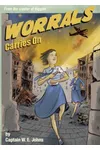
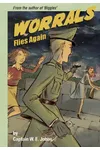
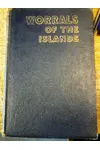
Worrals of the WAAF: Staring Joan Worralson, this series was created during WWII at the request of the Air Ministry to promote female recruitment. While she does not directly share adventures with Biggles, her stories share characters like Air Commodore Raymond, who serves as a liaison officer in both series.
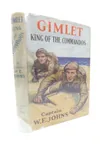
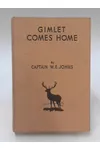
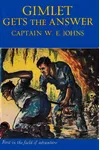
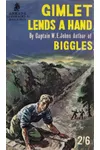
Gimlet (Captain Lorrington King): A gritty commando leader created for older readers who wanted tougher, ground-based action. Gimlet and his squad actively cross over with Biggles in the 1952 novel Biggles Follows On, and both heroes appear in separate stories within the 1947 anthology Comrades in Arms.
Steeley (Deeley Montfort Delaroy): A separate crime-fighter series featuring a former WWI pilot who uses aviation to solve crimes and combat criminals.
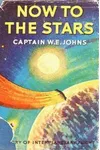
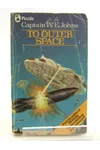
Timothy 'Tiger' Clinton (Science Fiction): Johns' late-career foray into space travel. This 10-volume series follows Group Captain Tiger Clinton, his son Rex, and Professor Lucius Brane as they travel the solar system in their cosmic-ray-powered ship, the Spacemaster.
Practical Reader Advice
Almost all of W.E. Johns' books are self-contained adventures, meaning you can pick up any title and enjoy it without feeling lost. However, character relationships do evolve. Reading the early WWI and interwar books first will help you appreciate how the core team of Biggles, Algy, Ginger, and Bertie came together.
Note that modern reprints are often edited to update outdated terminology and racial descriptions that were common in mid-20th-century adventure writing, making the current editions more accessible to younger audiences.