




Where to Start with Caro Fraser
If you're diving into Caro Fraser's work, your starting point depends entirely on what flavor of story you're looking for. Fraser, a former commercial and maritime barrister, is famous for two distinct types of writing: her serialized legal dramas and her sweeping, character-driven standalones and historical fiction.
For Legal Drama: Start with The Pupil
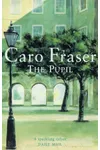
If you want to experience the drama of London's legal elite, you must start with the Caper Court series. The only recommended path here is publication order, beginning with the first book, The Pupil (1994). This series features a continuous narrative and complex character development that spans decades. Reading them out of order will spoil major character arcs, particularly the tumultuous personal and professional life of the charismatic barrister Leo Davies.
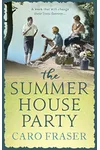
For Historical Fiction: Start with The Summer House Party
If you prefer a post-Edwardian family saga, begin with the historical duology starting with The Summer House Party (2017). This book sets up a group of friends in 1936, and its direct sequel, Summer of Love (2018), follows their lives through the post-war years. They should be read in chronological/publication order.
For Standalone Contemporary Drama: Read in Any Order
For Fraser's other standalone novels—which she famously described as "romantic fiction for the thinking woman"—you can pick up any book that catches your eye. They are completely independent of one another and can be read in any sequence.
The Caper Court Series in Detail
Set within the prestigious, fictional chambers of 5 Caper Court in London, this nine-book series is Caro Fraser’s signature work. It blends authentic legal procedures with high-stakes personal drama, romance, and moral dilemmas.
Key Characters and Themes
The series initially centers on Anthony Cross, a brilliant but financially struggling pupil barrister who must compete against the highly privileged Edward Choke for a single, coveted permanent tenancy at the chambers. However, as the series progresses, the spotlight shifts to Leo Davies. Davies is a highly successful, wealthy, and charming barrister (later Queen's Counsel, or QC) whose private life is a hedonistic whirlwind. Leo is bisexual, fiercely ambitious, and emotionally complex, and his relationships—both with Anthony and with various women—form the emotional backbone of the series.
The Caper Court Reading Order
- The Pupil (1994): Introduces the intense competition at 5 Caper Court and the complicated dynamic between pupil Anthony Cross and established barrister Leo Davies.
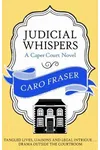
- Judicial Whispers (1995): Leo Davies faces personal and professional reckonings as legal politics and rumors threaten his standing.
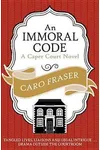
- An Immoral Code (1998): Focuses on the dark side of ambition and the moral compromises barristers make to win.
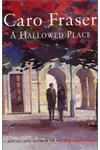
- A Hallowed Place (1999): Chambers politics heat up as personal secrets intersect with high-profile court cases.
- A Perfect Obsession (2002): Explores obsession, jealousy, and the fragile nature of success in the legal world.
- Calculating Heart (2004): Leo Davies continues to navigate complex romantic entanglements and courtroom drama.
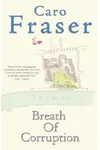
- Breath of Corruption (2007): The barristers deal with scandals that threaten the very foundation of 5 Caper Court.
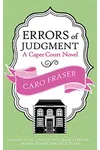
- Errors of Judgment (2013): A mature look at the consequences of past mistakes, featuring returning characters facing new crises.
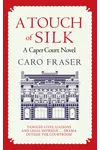
- A Touch of Silk (2020): The final book in the series, published shortly before Fraser's death, bringing Leo Davies' long journey to a poignant close.
The Summer House Party Duology
Unlike her legal thrillers, the "Summer" duology is a historical family saga that follows a generation of friends through the mid-20th century. This series is best read in order:
- The Summer House Party (2017): Set in the summer of 1936, the story begins at a beautiful English country house, introducing a close-knit group of friends and family oblivious to the approaching storm of World War II.
- Summer of Love (2018): The direct sequel picks up in the post-war years, tracing the lives of the characters and their children from the late 1940s through the social revolutions of the 1960s.
The Standalone Novels
For readers looking for self-contained stories, Fraser wrote six other standalone novels. These books showcase her trademark emotional depth, exploring complex relationships, class struggles, and domestic secrets:
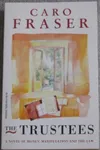
- The Trustees (1995): A gripping story about the battle for a deceased man's fortune, focusing on family greed and the manipulation of the estate's trustees.
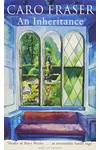
- An Inheritance (1997): Spanning twenty years, this novel follows Orlando, an orphan who discovers he is the heir to a wealthy grandfather, only to have his future challenged by the arrival of a rival claimant.
- Beyond Forgiveness (1998): A family drama set off by a deathbed marriage and a rewritten will that disinherits the expected heirs.
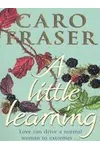
- A Little Learning (2001): Set in a school community, this book follows Carla Tradescant, a woman whose affair with a new English teacher has dramatic consequences for her headmaster husband and the school.
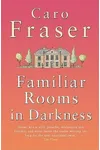
- Familiar Rooms In Darkness (2003): A young journalist, Adam Downing, is hired to write the biography of a deceased literary legend. While digging into the writer's secrets, he falls in love with the writer's daughter.
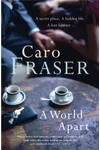
- World Apart (2007): First published in 2006 (often listed under its 2007 paperback release), this novel follows Mark Mason, a successful businessman whose secret double life and affair in Marylebone unravel, forcing him to confront his failing marriage. Also known as A World Apart.
What to Know Before You Start
Caro Fraser did not write dry legal thrillers. Drawing from her actual experience practicing as a commercial and maritime barrister, her courtroom scenes are highly accurate, but they serve primarily as a backdrop for the dramatic personal lives of the characters. Her writing was heavily influenced by her father, George MacDonald Fraser, the author of the swashbuckling Flashman Papers, from whom she inherited a gift for compelling character-driven narratives.
Her work is often described as "romantic fiction for the thinking woman" because of its emotional complexity, intelligence, and willingness to explore flawed, morally ambiguous characters. Whether she is detailing a corporate lawsuit or a secret love affair, Fraser’s novels are page-turning, authentic, and emotionally resonant.