


























































































The Ultimate Nancy Drew Reading Path
For nearly a century, the brilliant teen sleuth Nancy Drew has been solving crimes, outsmarting villains, and inspiring generations of readers. Because the vast majority of the classic Nancy Drew books are written as standalone stories, you do not need to read all 175 volumes of the original series in chronological order to follow the plots. However, if you want the most rewarding narrative experience, a structured approach is highly recommended.
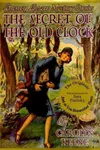
The absolute best place to start is with the very first book, The Secret of the Old Clock (1930). This iconic debut introduces Nancy, her supportive attorney father Carson Drew, and their loyal housekeeper Hannah Gruen. To build a solid foundation of Nancy's world and meet her primary circle of friends, we recommend reading the first seven books in order:
- The Secret of the Old Clock (1930) – Introduces Nancy Drew and her signature roadster.
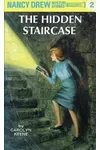
- The Hidden Staircase (1930) – Nancy’s first haunted house mystery.
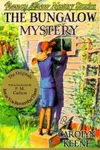
- The Bungalow Mystery (1930) – Introduces Nancy's close friend Helen Corning.
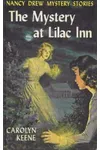
- The Mystery at Lilac Inn (1930) – A diamond theft case featuring double identities.
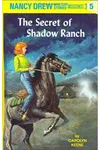
- The Secret of Shadow Ranch (1931) – Nancy’s first trip out west, introducing cousins Bess Marvin and George Fayne.
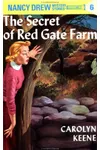
- The Secret of Red Gate Farm (1931) – Nancy, Bess, and George go undercover to expose a strange cult.
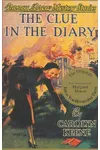
- The Clue in the Diary (1932) – Introduces Ned Nickerson, Nancy’s longtime boyfriend and partner in sleuthing.
After completing these introductory titles, you can safely read the rest of the classic series (volumes 8 through 175) in any order you choose, as each mystery operates as an independent case with minimal overarching continuity.
The Carolyn Keene Pseudonym: Who Wrote the Books?
Behind the name Carolyn Keene lies a fascinating collaborative history. The name is not a real person but a house pseudonym created in 1929 by Edward Stratemeyer, founder of the Stratemeyer Syndicate. The syndicate developed the outlines and hired ghostwriters to pen the drafts for a flat fee, requiring them to sign away all rights and maintain strict anonymity.
Two primary women shaped the legacy of the name:
- Mildred Wirt Benson: A trailblazing journalist who wrote 23 of the first 30 books. Benson is widely credited with defining Nancy’s original character: independent, athletic, rebellious, and fiercely self-reliant.
- Harriet Stratemeyer Adams: Edward Stratemeyer’s daughter, who took control of the syndicate in 1930. She edited the series for decades, wrote many of the later volumes (including volumes 33 through 56), and oversaw a major modernization project.
Other ghostwriters, including Walter Karig, Alma Sasse, and Charles Strong, also contributed volumes to the classic run, creating a collective authorship that remains a marvel of publishing history.
Original vs. Revised Texts: A Critical Caveat for Readers
When collecting or reading the classic series (specifically volumes 1 through 34), you will encounter two very different versions of the same titles. In 1959, Harriet Stratemeyer Adams initiated a massive revision project that lasted until 1977. The goal was to modernize the language, speed up the pacing, and remove outdated social and racial stereotypes from the 1930s and 1940s.
However, this revision program resulted in significant changes:
- Length: Original editions contain 25 chapters (approximately 200–220 pages), while revised editions are condensed to a uniform 20 chapters (approximately 180 pages).
- Nancy’s Personality: The original Nancy Drew written by Mildred Wirt Benson was headstrong, bold, and sometimes pushed the boundaries of the law. The revised Nancy Drew is more polished, polite, and cautious.
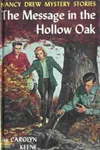
- Plot Rewrites: While some books were only lightly edited, others—such as The Mystery at Lilac Inn and The Message in the Hollow Oak—were completely rewritten with entirely new plots.
For the authentic historical experience, seek out the original 25-chapter texts or the reprints produced by Applewood Books. For younger readers or those looking for a quick, modernized mystery, the standard 20-chapter editions are widely available and highly readable.
Navigating the Subseries and Spin-Offs
The Nancy Drew universe extends far beyond the original 175-volume run. Here is a breakdown of the key eras, spin-offs, and sister series written under the Carolyn Keene name:
The Dana Girls Mystery Stories
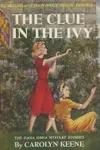
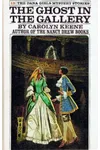
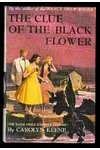
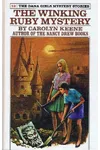
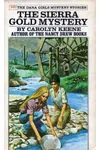
Launched in 1936, this sister series follows Jean and Louise Dana, two orphaned sisters studying at Starhurst School who solve mysteries in their spare time. Like Nancy Drew, the series features a complex publication history. The first set of 30 books ran from 1936 to 1968. In 1972, Grosset & Dunlap relaunched the series, renumbering and condensing older titles while adding four completely new mysteries to close out the run in 1979.
The Nancy Drew Files & On Campus Era
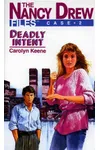
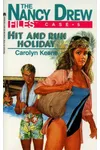
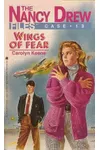
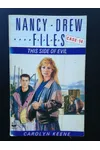
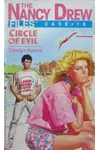
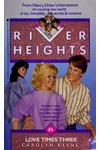
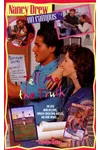
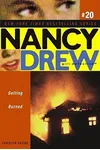
Starting in 1986, the Stratemeyer Syndicate launched The Nancy Drew Files to appeal to a more mature teenage audience. Running for 123 volumes, this series featured higher stakes, modern technology, espionage, romance, and even murder. This was followed by Nancy Drew on Campus (1995–1998), a 25-volume soap-opera-style series that focused heavily on college life, relationship drama, and character development over traditional mystery-solving.
Nancy Drew: Girl Detective & Modern Diaries
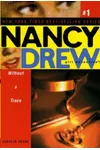
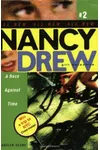
In 2004, the franchise modernized again with Nancy Drew: Girl Detective, written in the first person. This series is notable for introducing three-part thematic mini-series (such as the Identity Mystery, Model Mystery, and Malibu Mayhem trilogies) that must be read in order. The current active series is the Nancy Drew Diaries (2013–present), which returns to classic standalone formats while integrating contemporary themes, cell phones, and modern forensic tools.
The Hardy Boys Crossovers
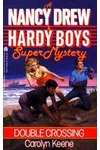
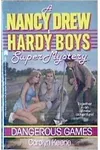
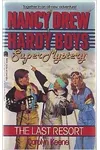
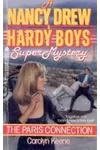
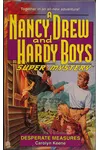
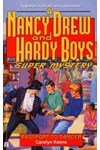
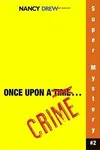
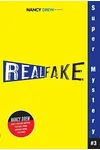
Nancy Drew has frequently teamed up with Frank and Joe Hardy. Key crossover series include the Nancy Drew & Hardy Boys Super Mystery books (which ran across the late 1980s and 1990s, and then again in a second-generation line in the late 2000s) and the vintage Be A Detective choose-your-own-adventure books, offering interactive mystery pathways for readers.
Practical Guidance for New Readers
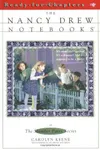
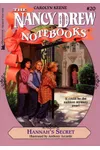
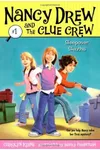
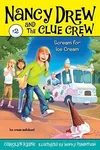
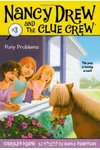
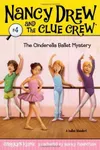
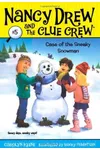
If you are looking to jump in today, follow these simple rules: starting with the original Grosset & Dunlap "yellowbacks" (volumes 1 to 56) offers the most classic experience. If you prefer a contemporary feel with modern technology, start with the first volume of the Nancy Drew Diaries, Curse of the Arctic Star (2013). For younger kids just starting chapter books, the Nancy Drew and the Clue Crew or the Notebooks series provide excellent, age-appropriate, shorter mysteries.