






Charles Dickens remains one of the most influential storytellers in the English language, creating characters and capturing social realities that continue to resonate. However, with over a dozen massive novels, numerous novellas, and hundreds of short stories, figuring out where to start or how to navigate his bibliography can feel like wandering through a foggy Victorian London alley. This guide offers a clear, structured roadmap to his works, highlighting recommended starting points, chronological order, and lesser-known collaborations.
Where to Start: Recommended Reading Paths
Because Dickens did not write interconnected sequels, you do not have to read his books in chronological order. Instead, we recommend choosing a starting path based on your reading preferences:
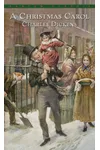
- The Festive Entry (Short & Accessible): Start with A Christmas Carol (1843). At under 100 pages, it is the perfect introduction to his style, atmospheric prose, and moral heart without committing to a massive novel. Many readers make it an annual holiday tradition.
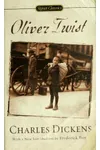
- The High-Stakes Adventure (Great for Beginners): Choose Oliver Twist (1838). This classic orphan tale has a driving, straightforward plot, memorable villains like Fagin and Bill Sikes, and a vivid exploration of London's dark underbelly. It is highly engaging and moves at a faster pace than his later works.
- The Modern Masterpiece (Best All-Rounder): Select Great Expectations (1861). Widely considered his most tightly constructed and modern-feeling novel, it follows the coming-of-age journey of Pip with excellent pacing, mystery, and deep emotional resonance. It is a fantastic entry point for readers who are wary of the classic Victorian style.
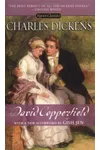
- The Semi-Autobiographical Epic (For Character Lovers): Read David Copperfield (1850). Dickens famously called this his 'favorite child' because it draws heavily on his own early struggles. It is a warm, sprawling, and deeply personal narrative filled with unforgettable characters like Mr. Micawber and Uriah Heep.
Chronological Publication Order of Novels
If you wish to trace Dickens's evolution as a writer, reading his works in the order they were published reveals how he transitioned from lighthearted comedy and sketch-writing to dark, complex, and highly structured social critiques. Here is the chronological order of his major novels and standalone works:
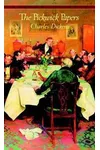
- The Pickwick Papers (1837) – A loose, highly comedic series of adventure sketches that launched Dickens to fame. Great for readers who love episodic, humorous stories.
- The Adventures of Oliver Twist (1838) – A gritty social critique focusing on the poor laws, workhouses, and London crime.
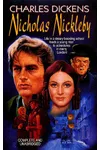
- The Life and Adventures of Nicholas Nickleby (1839) – A melodrama that exposes the abuses of Victorian boarding schools.
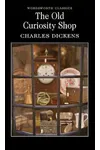
- Old Curiosity Shop (1841) – A sentimental, tragic tale of young Nell Trent and her grandfather, published within his weekly serial.
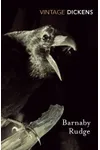
- Barnaby Rudge (1841) – One of Dickens's two historical novels, set during the anti-Catholic Gordon Riots of 1780.
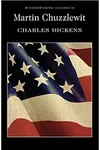
- Martin Chuzzlewit (1844) – A satirical look at selfishness, featuring Dickens's impressions of his travels to America.
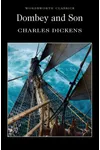
- Dombey and Son (1848) – A transition to his mature style, examining pride, the business world, and family dynamics.
- David Copperfield (1850) – A landmark coming-of-age novel capturing the joys and hardships of youth.
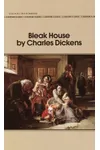
- Bleak House (1853) – A towering, complex masterpiece that satirizes the English legal system through the endless court case of Jarndyce and Jarndyce. It features dual narrators and is highly recommended for experienced readers.
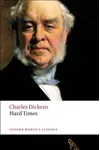
- Hard Times (1854) – His shortest novel, set in the industrial town of Coketown, critiquing rigid utilitarianism and factual education over imagination.
- Little Dorrit (1855) – A brilliant, dark satire focused on debtors' prisons, bureaucracy (the Circumlocution Office), and societal decay.
- A Tale of Two Cities (1859) – A historical adventure set in London and Paris during the French Revolution, famous for its dramatic plot and themes of sacrifice. It features less of Dickens's usual humor and more historical action.
- Great Expectations (1861) – A brilliant critique of class, wealth, and romantic obsession through the eyes of an ambitious orphan.
- Our Mutual Friend (1865) – His last completed novel, a sophisticated, multi-layered critique of wealth and corruption set along the Thames.
- The Mystery of Edwin Drood (1870) – A dark gothic mystery left unfinished at the time of Dickens's death. It remains one of literature's greatest unsolved puzzles.
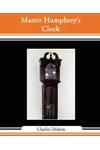
Note: Works like A Child's History of England (1854) and the frame narrative collection Master Humphrey's Clock (1841) are also sometimes grouped with his major publications, but they contain non-fiction history and frame narratives for other novels respectively rather than traditional standalone novels.
The Christmas Books Subseries
Between 1843 and 1848, Dickens wrote five novellas specifically for the holiday season. While A Christmas Carol is the only one that remains universally famous, all five share a focus on social charity, redemption, and supernatural elements. They are best read in chronological order during the winter months:
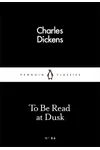
- A Christmas Carol (1843) - The iconic story of Ebenezer Scrooge and the three spirits of Christmas.
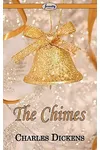
- The Chimes (1844) - A goblin-infused drama dealing with class injustice and societal despair.
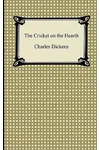
- The Cricket on the Hearth (1845) - A warm domestic tale centered on a cheerful household fairy.
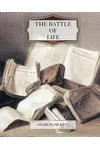
- The Battle of Life (1846) - A romantic drama set against the backdrop of a historic battlefield.
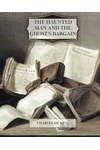
- The Haunted Man and the Ghost's Bargain (1848) - A ghostly tale about the importance of memory and sorrow.
Collaborations and Short Story Curiosities
Dickens was an energetic magazine editor who frequently collaborated with fellow Victorian writers. Understanding these collaborations clears up common confusion in his bibliography:
- Wilkie Collins Collaborations: Dickens worked closely with the pioneer of detective fiction, Wilkie Collins. Together, they wrote the mystery play and story No Thoroughfare (1867) and the travel/ghost story collection The Lazy Tour of Two Idle Apprentices (1857).
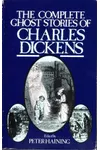
- The Hanged Man's Bride (1857): Modern digital book listings often attribute a ghost story called 'The Hanged Man's Bride' to Dickens. This is actually a retitled adaptation of 'The Ghost in the Bride's Chamber,' which originally appeared within the collaborative Lazy Tour of Two Idle Apprentices.
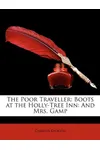
- The Holly Tree Inn (1855): The local database lists this piece under 1850, which is the year Dickens founded the periodical Household Words. The story itself was published in the December 1855 Christmas issue and was co-authored with Collins and other guest writers.
What to Know Before You Start: The Serial Format
Almost all of Dickens's novels were published in monthly or weekly serialized installments. This format heavily influenced his writing style: he had to write to strict word counts, insert cliffhangers to keep readers buying the next issue, and occasionally expand subplots if a character proved popular. Knowing this helps modern readers appreciate the episodic nature, occasional repetition, and sprawling casts of his works. Don't rush through them; read them slowly, just as the Victorians did over the course of many months!