



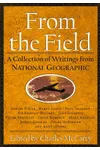
Who is Charles McCarry and Where Should You Start?
Often hailed by critics as the greatest American espionage writer of the 20th century, Charles McCarry brought a level of psychological realism and authentic detail to his stories that set him apart from his contemporaries. As a former deep-cover CIA operative (active from 1958 to 1967), McCarry understood the quiet, methodical tradecraft of the intelligence world. Instead of flashy gadgets and high-speed chases, his books focus on moral compromise, personal betrayal, and the heavy emotional weight of living a secret life.
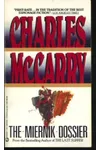
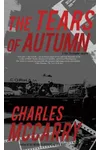
For anyone new to his work, the definitive place to start is with his masterpiece, The Tears of Autumn (1974), or his groundbreaking debut, The Miernik Dossier (1973). While The Tears of Autumn is widely considered one of the finest spy novels ever written—exploring a fictional, highly plausible conspiracy behind the assassination of John F. Kennedy—beginning with The Miernik Dossier allows you to witness the start of his most famous character, Paul Christopher, and enjoy a unique narrative told entirely through memos, intercepts, and dossier transcripts.
The Paul Christopher Universe: Publication Order
The core of McCarry’s legacy is the Paul Christopher series, which follows the life, family history, and espionage career of a poetic, stoic CIA agent. Reading the books in their original publication order is the most popular recommendation among fans. This order allows you to follow the development of McCarry's sophisticated prose and peel back the layers of the Christopher family mystery as the author intended.
- The Miernik Dossier (1973) – The debut novel introducing Paul Christopher as he tracks a suspicious Polish scientist.
- The Tears of Autumn (1974) – Christopher goes rogue to investigate the JFK assassination, suspecting a Vietnamese revenge plot.
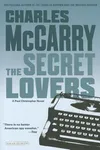
- The Secret Lovers (1977) – A deep dive into the operational espionage of the early Cold War and the pain of personal betrayal.
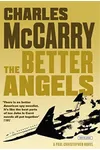
- The Better Angels (1979) – A political thriller focusing on a presidential election and cyber-sabotage, featuring the wider Christopher/Hubbard clan.
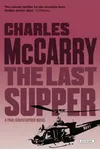
- The Last Supper (1983) – A multi-generational epic that details the origin of Paul Christopher’s family and his early life in Nazi Germany.
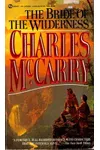
- The Bride of the Wilderness (1988) – A historical adventure setting the stage for the family tree, set in the American wilderness of the 18th century.
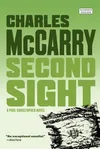
- Second Sight (1991) – A sprawling novel that ties together multiple generations of the family across the 20th century.
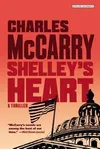
- Shelley's Heart (1995) – A direct sequel to The Better Angels, detailing a constitutional crisis and high-stakes political manipulation.
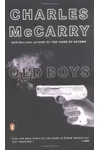
- Old Boys (2004) – An older, retired crew of agents band together to track down Paul Christopher after he goes missing in China.
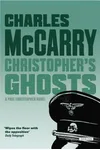
- Christopher's Ghosts (2007) – A prequel and sequel hybrid that explores Christopher's first love in Berlin on the eve of World War II and his eventual vengeance decades later.
Chronological Order: A Multi-Generational Timeline
For readers who want to experience the Christopher family saga as a straight timeline, McCarry’s books can be reordered chronologically. Be warned: this path hops radically across genres—shifting from 18th-century historical romance to mid-century espionage, and finally to modern political thrillers. It also spoils several key mysteries that are slowly revealed across the publication run.
- The Bride of the Wilderness (1988) – Set in the 1700s, tracing the ancestors of the Christopher family.
- The Last Supper (1983) – Spanning the 1920s through the 1960s, establishing Paul’s parents and his early youth.
- Christopher's Ghosts (2007) – Set in the late 1930s (Nazi Berlin) and late 1950s.
- The Miernik Dossier (1973) – Set in 1959.
- The Secret Lovers (1977) – Set in 1960.
- The Tears of Autumn (1974) – Set around the events of late 1963.
- The Better Angels (1979) – Set in the near-future 1990s.
- Shelley's Heart (1995) – Follows the political fallout immediately after the events of The Better Angels.
- Second Sight (1991) – Spans the 1930s to the 1980s, tying the ancestral lines to the modern family.
- Old Boys (2004) – Set in the early 2000s, bringing the surviving characters together for a final rescue mission.
Standalone Novels, Short Stories, and Non-Fiction
In addition to his landmark spy saga, McCarry wrote several highly acclaimed standalone thrillers that demonstrate his sharp understanding of geopolitics and human nature. His standalone books include:
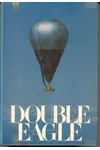
- Double Eagle (1979) – A heist thriller centered on the search for two priceless gold coins.
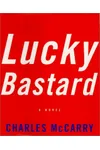
- Lucky Bastard (1998) – A dark, satirical political thriller about an ambitious politician with a dark secret.
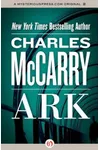
- Ark (2011) – A speculative sci-fi thriller about earth-shattering changes and a wealthy man's quest to build a modern ark.
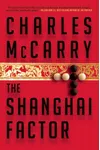
- The Shanghai Factor (2013) – A return to classic espionage, featuring a young agent caught in the web of Chinese and American intelligence.
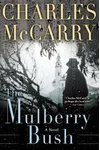
- The Mulberry Bush (2015) – A late-career spy novel following a young operative seeking revenge against a shadowy target.
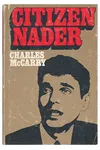
For short fiction, McCarry published the Macavity Award-nominated short story The Hand of Carlos (1992), which has been widely anthologized in collection books. His non-fiction works showcase his versatility, including Citizen Nader (1972), an unauthorized biography of Ralph Nader, alongside historical guides and political memoirs written in collaboration with figures like Alexander Haig.
Practical Reader Advice
If you prefer standard espionage fiction, you may want to skip The Bride of the Wilderness (which is historical fiction) and focus entirely on the core Cold War thrillers: The Miernik Dossier, The Tears of Autumn, The Secret Lovers, and The Last Supper. Additionally, The Better Angels and Shelley's Heart lean heavily into American domestic political intrigue rather than overseas secret agent work, though they remain essential reading for understanding the full scope of the Christopher/Hubbard universe.