
How to Read Charles Rosenberg: The Recommended Starting Paths
For readers diving into Charles Rosenberg’s catalog, there are two distinct paths you can take depending on your mood. Since his bibliography is split cleanly between a legal thriller series and standalone novels (including high-stakes alternate history), choosing where to begin is straightforward.
Path 1: The Robert Tarza Legal Thrillers (Start with Death on a High Floor)
If you love traditional legal thrillers in the vein of John Grisham or Scott Turow, your best starting point is the Robert Tarza series. This trilogy should be read in publication order because it features a continuous arc of character relationships, career shifts, and personal development for the lead characters. Starting here allows you to see how Rosenberg utilizes his real-life courtroom expertise to construct realistic procedural drama.
Path 2: The Alternate History Standalones (Start with George Washington or Abraham Lincoln)
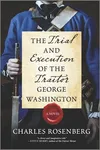
If you are a fan of speculative fiction and political intrigue, you can jump straight into his alternate history standalones. These books are completely independent of each other and can be read in any order. The most popular entry point is The Trial and Execution of the Traitor George Washington, which offers a fascinating, legally grounded look at what would happen if the British captured the commander of the Continental Army.
Charles Rosenberg Books in Publication Order
Since Rosenberg has kept a focused release schedule, his publication order is also the chronological order for his series. Following this order gives you a front-row seat to his transition from modern legal puzzles to historical alternate realities.
The Robert Tarza Series
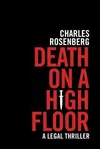
- Death on a High Floor (2011) – The novel that introduces high-powered Los Angeles defense attorney Robert Tarza and his protégé, Jenna James. When a senior partner at their firm is murdered, Tarza is named the prime suspect, forcing James to step up and defend him.
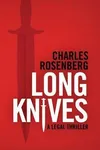
- Long Knives (2014) – Shifting the focus slightly, Jenna James has transitioned into academia but is soon dragged into a murder investigation involving a student and a mysterious map. Robert Tarza returns to assist his former student.
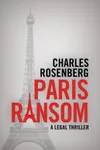
- Paris Ransom (2015) – A high-stakes international thriller. While Tarza is visiting Paris, their mutual friend Oscar Quesana is kidnapped after acquiring a rare, highly valuable historical book. Tarza and Jenna must team up once again to secure his release.
Standalone Novels
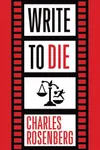
- Write to Die (2016) – A modern legal thriller set in Hollywood. It follows Rory Calburton and Sarah Gold as they defend a major studio against a plagiarism lawsuit over a blockbuster film, a civil case that turns deadly when the studio's general counsel is murdered.
- The Trial and Execution of the Traitor George Washington (2018) – An alternate history where British special agent Jeremiah Black successfully kidnaps George Washington in 1780 and smuggles him to London, where he faces a treason trial in the Tower of London.
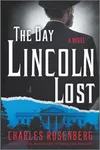
- The Day Lincoln Lost (2020) – Set during the critical election year of 1860, this novel explores a timeline where Abraham Lincoln is forced to defend a fiery abolitionist in court, putting his presidential campaign—and the future of the Union—in grave jeopardy.
A Deeper Look at the Series and Standalones
The Robert Tarza Trilogy
The Robert Tarza books are characterized by their insider perspective on the inner workings of large corporate law firms and criminal defense. Rosenberg uses the dynamic between the seasoned, cautious Tarza and the younger, more ambitious Jenna James to explore the ethical gray areas of the legal profession. While each book features a self-contained mystery, the personal growth and changing relationship dynamics between Tarza, James, and their associate Oscar Quesana make reading them in order highly rewarding.
Write to Die: Hollywood Skullduggery
Though not part of the Tarza series, Write to Die remains in the modern legal thriller genre but relocates the action to the entertainment industry. The story revolves around a plagiarism lawsuit involving a movie script, which quickly escalates to murder. The book is notable for its depiction of the conflict between Rory Calburton, a rigid and pedantic partner, and Sarah Gold, an unpredictable associate whose methods push ethical boundaries. It offers a fascinating look at intellectual property law and Hollywood deal-making.
The Alternate History Duology
Rosenberg’s transition to alternate history allowed him to combine his passion for American history with his legal background. In The Trial and Execution of the Traitor George Washington, the narrative splits between the tense kidnapping mission led by British agent Jeremiah Black and the legal defense mounted by London barrister Abraham Hobhouse. The book is praised for how it treats the legalities of the era, presenting Washington not just as a military general, but as a political prisoner whose fate hinges on treaties and international law.
Similarly, The Day Lincoln Lost uses a real historical figure—the abolitionist Abby Kelley Foster—and a real event (the fugitive slave crisis) to create a flashpoint in Springfield, Illinois. When Lincoln steps in to represent Foster after a riot, the trial threatens his moderate political stance. The thriller aspects are heightened by a conspiracy involving President James Buchanan and the inclusion of historical elements like Pinkerton detective Annabelle Carter. Both books show Rosenberg's skill in taking a single historical pivot point and tracing its legal and political ripples.
What to Know Before You Start
Before diving into Charles Rosenberg's library, it is helpful to understand the unique perspective he brings to his fiction. Unlike many thriller writers who exaggerate legal procedures for dramatic effect, Rosenberg prioritizes authenticity. Because he spent decades practicing business litigation, teaching law, and advising television networks on legal accuracy, his courtroom scenes are meticulous. You will find real legal tactics, filings, and jurisdictional arguments playing key roles in resolving his plots.
Furthermore, his alternate history novels are not typical sci-fi or action-heavy stories. Instead, they are political and legal procedural thrillers set in the past. If you expect grand battlefield scenes or fantastical elements, you might be surprised. Instead, the tension in these novels comes from diplomacy, backroom political maneuvering, and high-stakes courtroom arguments.