






















Where to Start with Charles Whiting
With a massive bibliography spanning over 350 titles under his own name and multiple pseudonyms (most notably Leo Kessler and Duncan Harding), Charles Whiting can feel overwhelming. To get the best experience, your starting point depends on whether you prefer action-heavy military fiction or grounded historical accounts:
- For Gritty Military Fiction: Start with SS Panzer Battalion (1974), published under the pseudonym Leo Kessler. This is the first book in his famous SS Wotan series and perfectly showcases his fast-paced, visceral style.
- For Naval Action: Start with The Baltic Run (1993), the first book in the Common Smith VC Adventures.
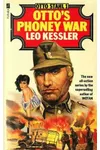
- For Humorous Military Satire: Start with Otto's Phoney War (1981), the launch of the Otto Stahl series, which acts as a World War II equivalent to the Flashman novels.
- For Grounded Non-Fiction: Start with America's Forgotten Army: The True Story of the U.S. Seventh Army in WWII (1999) or York Blitz, 1942, which recounts the bombing of his own hometown.
The SS Wotan Series (Writing as Leo Kessler)
The SS Wotan series is Whiting's most famous and extensive fictional work, centering on a German assault battalion. Because the series was written over several decades and frequently republished under different titles (such as the Dogs of War package), readers often debate the best sequence. The general consensus is to read them in Publication Order, which introduces the core characters and the unit's evolution naturally. However, a Chronological Order is also popular for readers wanting to follow the timeline of World War II from 1939 to 1945.
SS Wotan: Recommended Publication Order
To follow the series as it was originally written, use the publication sequence:
- SS Panzer Battalion (1974)
- Death's Head (1974)
- Claws of Steel (1974)
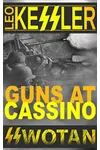
- Guns at Cassino (1975)
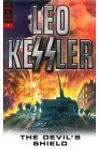
- Devil's Shield (1975)
- Hammer Of The Gods (1975)
- Forced March (1976)
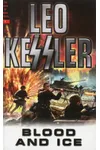
- Blood and Ice / Frozen Mountain (1977)
- The Sand Panthers (1977)
- Counter Attack (1978)
- Hellfire. (1978)
- Panzer Hunt (1979)
- Slaughter Ground (1980)
- Flashpoint (1980)
- Cauldron Of Blood (1981)
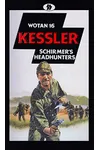
- Schirmer's Headhunters (1981)
- Whores of War (1982)
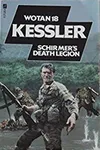
- Schirmer's Death Legion (1983)
- Death Ride (1985)
- Slaughter at Salerno (1985)
- March or Die (1985)
- The Outcasts (1986)
- The Hess Assault (1987)
- The March on Warsaw (1988)
- Assault on Baghdad (1992)
- Flight from Berlin (1992)
- Flight from Moscow (1992)
- Fire Over Serbia (1993)
- SS Attacks (1994)
- Breakout from Stalingrad (1996)
- March of Death (1996)
- The Wotan Mission (1996)
- Operation Fury (1997)
- Death from Arctic Skies (1997)
- Death's Eagles (1998)
- The Churchill Papers (1998)
- Patton's Wall (1999)
- Stalag Assault (2000)
- Operation Glenn Miller (2001)
- Operation Iraq (2005)
- Operation Leningrad (2005)
- The Reich Flies the Flag (2005)
- Rommel's Last Battle (2006)
- From Tyranny to Freedom (2008)
- Some Desperate Glory (2014)
SS Wotan: Chronological Reading Order
If you prefer to follow the historical flow of the Second World War, the events run in a slightly adjusted timeline:
- SS Panzer Battalion (1974)
- Death's Head (1974)
- Claws of Steel (1974)
- Guns at Cassino (1975)
- Devil's Shield (1975)
- Hammer Of The Gods (1975)
- Forced March (1976)
- Blood and Ice / Frozen Mountain (1977)
- The Sand Panthers (1977)
- Counter Attack (1978)
- Panzer Hunt (1979)
- Slaughter Ground (1980)
- Hellfire. (1978)
- Flashpoint (1980)
- Cauldron Of Blood (1981)
- Schirmer's Headhunters (1981)
- Whores of War (1982)
- Schirmer's Death Legion (1983)
- Death Ride (1985)
- Slaughter at Salerno (1985)
- March or Die (1985)
- The Outcasts (1986)
- The Hess Assault (1987)
- The March on Warsaw (1988)
- Assault on Baghdad (1992)
- Flight from Moscow (1992)
- Fire Over Serbia (1993)
- Flight from Berlin (1992)
- Breakout from Stalingrad (1996)
- The Wotan Mission (1996)
- March of Death (1996)
- Operation Fury (1997)
- Death from Arctic Skies (1997)
- Death's Eagles (1998)
- The Churchill Papers (1998)
- Patton's Wall (1999)
- Stalag Assault (2000)
- Operation Glenn Miller (2001)
- Operation Iraq (2005)
- Operation Leningrad (2005)
- The Reich Flies the Flag (2005)
- Rommel's Last Battle (2006)
- From Tyranny to Freedom (2008)
- Some Desperate Glory (2014)
- SS Attacks (1994)
The Otto Stahl Saga (Writing as Leo Kessler)
This series is a lighter, satirical take on the wartime thriller. It follows the self-serving, lucky, and charming Otto Stahl as he navigates the German Abwehr (military intelligence) while trying to avoid the front lines. It is best read in publication order:
- Otto's Phoney War (1981)
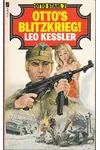
- Otto's Blitzkrieg! (1982)
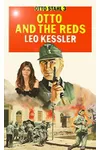
- Otto and the Reds (1982)
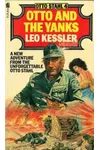
- Otto and the Yanks (1983)
- Otto and the SS (1983)
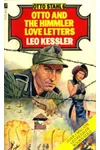
- Otto and the Himmler Love Letters (1984)
The Common Smith VC Adventures
Written under his own name, this maritime fiction series focuses on a heroic officer during the turbulent years of the early 20th century. Follow the publication sequence here:
- The Baltic Run (1993)
- In Turkish Waters (1994)
- Passage to Petrograd (1995)
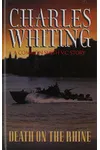
- Death on the Rhine (1995)
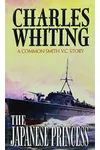
- The Japanese Princess (1996)
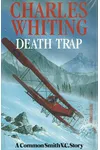
- Death Trap (1996)
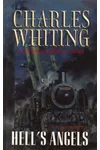
- Hell's Angels (1997)
Other Notable Fiction Series
Whiting wrote several shorter series targeting specific theaters of combat, including:
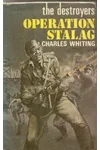
- The Destroyers Series (Writing as Duncan Harding): Focuses on naval warfare and includes titles like Operation Fox Hunt (1974) and Operation Stalag (1974).
- Stormtroop Edelweiss: A mountain-warfare sequence starting with Storm Troop (1977) and continuing through Blood Mountain (1978).
- T-Force Series: Centering on the elite units that secured advanced technology at the end of the war, starting with Big Breakout (1976).
Practical Reading Advice
Because Whiting wrote for the pulp paperback boom of the 1970s and 1980s, many of his books are designed to stand alone. You do not necessarily have to read every single SS Wotan or Destroyers book in strict sequence to enjoy the action. However, reading the early volumes of any series is highly recommended to understand the recurring cast. Watch out for retitled books, as publishers frequently packaged the same story under different titles in the US and UK markets (such as Frozen Mountain also circulating as Blood and Ice).