




How to Read the Hoke Moseley Series
If you want to experience Charles Willeford at the peak of his storytelling powers, the Hoke Moseley tetralogy is the definitive starting point. Following a middle-aged, rumpled, and toothless Miami homicide detective, this series is widely credited with establishing the blueprint for modern Miami noir. Unlike traditional crime procedurals, these books focus just as much on Hoke's domestic struggles, dental woes, and personal budget sheets as they do on solving crimes. To fully appreciate Hoke's slow decline and chaotic personal life, you should read these books in strict publication order:
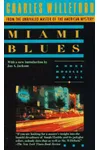
- Miami Blues (1984): The book that introduced Hoke Moseley, along with the psychopathic, Hare Krishna-robbing ex-con Freddy Frenger Jr. and the naive, young prostitute Wenda. This is the ideal gateway into Willeford's unique brand of pitch-black humor, Florida heat, and sudden violence.
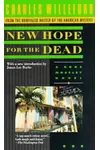
- New Hope for the Dead (1985): Hoke deals with a series of bizarre Miami homicides while struggling with family troubles, domestic complications (including his ex-wife returning and demanding custody of their teenage daughters), and his own physical decline.
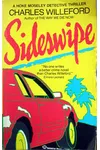
- Sideswipe (1987): Featuring a unique dual narrative that shifts between Hoke (who suffers a severe nervous breakdown, loses his job, and flees to live with his father in a trailer park) and an aging, sociopathic robber named Troy Louden who plans an audacious heist.
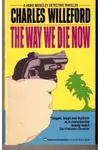
- The Way We Die Now (1988): The final completed Hoke Moseley novel, published shortly before Willeford's death. It sees Hoke sent deep undercover in the Florida Everglades to investigate the suspicious deaths of migrant farmworkers, displaying his signature grit and weariness.
The Legend of Grimhaven
Between writing Miami Blues and New Hope for the Dead, Willeford penned a sequel manuscript titled Grimhaven. In this notorious draft, Hoke Moseley commits a horrific, unmentionable crime against his own daughters. The manuscript was deemed far too bleak and dark by Willeford's editor at St. Martin's Press, who rejected it flat out and asked for a more commercial sequel, which ultimately became New Hope for the Dead. Grimhaven was never officially published and remains a legendary holy grail for collectors, with copies of the manuscript circulating privately and stored in specific university library archives.
The Standalone Novels: A Guide to Willeford's Noir Masterpieces
Beyond Hoke Moseley, Charles Willeford wrote a vast array of hard-boiled standalone novels that frequently subverted and deconstructed the pulp fiction conventions of his era. Because these books are entirely self-contained, they can be read in any order, but grouping them by era or theme provides a great roadmap for new readers:
The Classic Pulp Era (1950s)
During the peak of the mid-century paperback boom, Willeford wrote lean, cynical novels featuring sociopathic protagonists, toxic relationships, and bleak endings. Many of these were given sensationalized titles by pulp publishers to fit the market:
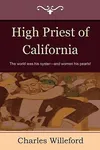
- High Priest of California (1953): Willeford's debut novel is a striking character study of Russell Haxby, a predatory used-car salesman and amateur boxer who plays psychological games with a manipulative married woman.
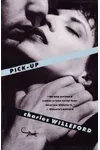
- Pick-Up (1955): A bleak, psychological masterpiece set in San Francisco's bohemian quarter. It follows two desperate, alcoholic lovers and features a famous, barrier-breaking final twist regarding the characters' racial identities. It won the Beacon Fiction Award.
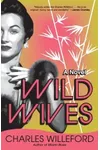
- Wild Wives (1956): A classic, fast-paced femme fatale story featuring a private detective who gets caught in a web of murder, insanity, and deceit at a San Francisco sanatorium.
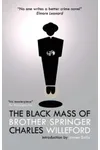
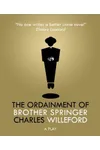
- The Black Mass of Brother Springer (1958): Originally published under the publisher-imposed title Honey Gal, this biting satire features Sam Springer, a cynical drifter who gets ordained as a minister and takes over an all-Black church in Jacksonville, Florida, during the early civil rights movement.
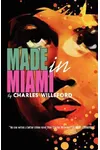
- Made in Miami (1958): Originally published as Lust Is a Woman by Beacon Books, this Florida-set pulp tale follows an art student working as a bellboy who becomes obsessed with a woman with Hollywood aspirations, leading them into a sleazy underworld.
The Mature Satirical Period (1960s–1970s)
As Willeford's style evolved, his books became sharper and more satirical, focusing on obsessive characters, artistic pretension, and the dark underbelly of the American dream:
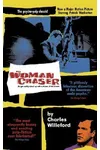
- The Woman Chaser (1960): A brilliant, dark comedy about a ruthless used-car salesman named Richard Hudson who decides to write and direct a bizarre, uncompromising art film, showcasing the madness of the creative process.
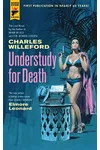
- Understudy for Death (1961): Originally published under the title Understudy for Love by a minor paperback house, this psychological drama follows a cynical reporter investigating a suburban murder-suicide. The original manuscript title was restored when it was republished by Hard Case Crime in 2018.
- Deliver Me from Dallas! (1961): Co-written in the early 1950s and published under the pseudonym W. Franklin Sanders as The Whip Hand, this thriller about an ex-cop fleeing to Texas had its original title restored for modern reprints.
- Cockfighter (1962 / 1972): The odyssey of Frank Mansfield, a mute cockfighter obsessed with winning the Cockfighter of the Year award. The 1962 paperback print was largely lost due to publisher insolvency; Willeford extensively revised and expanded the text for a definitive 1972 hardcover release.
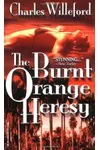
- The Burnt Orange Heresy (1971): A classic neo-noir about a corrupt art critic who is hired to interview a reclusive, legendary artist, leading to a deadly game of deception and murder. It is widely considered one of Willeford's finest standalone works.
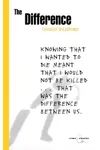
- The Difference (1971): Originally published under the pseudonym Will Charles as The Hombre from Sonora, this is a gritty, revisionist Western that explores the brutal realities of the American frontier. It was later reissued under Willeford's preferred title.
Late Career and Posthumous Standalones
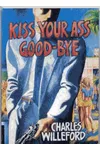
- Kiss Your Ass Good-Bye (1987): A short, fast-paced Miami crime novel that grew out of material Willeford cut from other drafts, published in a limited run during his lifetime.
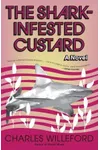
- The Shark-Infested Custard (1993): Written in the mid-1970s but rejected by publishers for its unconventional structure, this dark comedy about four bachelors in Miami was finally published posthumously in 1993, offering a bleak but hilarious look at masculinity.
Reading the Memoirs in Chronological Order
Charles Willeford's life was as colorful and dramatic as his fiction, and his autobiographical works are highly recommended for fans who want to understand the man behind the prose. While they were published out of order, reading them chronologically provides the best narrative arc of his life:
- I Was Looking for a Street (1988): Though published second, this memoir covers his early childhood, losing his parents to tuberculosis, and his years riding the rails as a teenage hobo during the Great Depression.
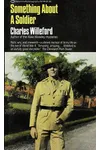
- Something About a Soldier (1986): Published first, this book covers his enlistment at age 16, his service in the U.S. Army Air Corps in the Philippines, and his experiences as a cavalryman before World War II.
For convenience, both memoirs are also available in a single combined volume titled Collected Memoirs of Charles Willeford (1999).
What to Know Before You Start
Willeford's style is defined by a complete lack of sentimentality, a dry-as-dust sense of humor, and characters who are often deeply flawed, if not outright sociopathic. If you are new to his work, the best place to start is Miami Blues. It gives you an immediate taste of his Miami setting, his deadpan delivery, and his ability to balance graphic violence with domestic comedy. For those interested in his standalone work, The Burnt Orange Heresy and Cockfighter are his absolute peaks.
Adaptations of Willeford's Work
Several of Willeford's novels have been adapted for the screen, capturing varying degrees of his signature tone. Cockfighter was adapted in 1974 by director Monte Hellman, starring Warren Oates. Miami Blues was turned into a cult classic 1990 film starring Alec Baldwin as Freddy Frenger and Fred Ward as Hoke Moseley. The Woman Chaser was adapted into an acclaimed independent film in 1999 starring Patrick Warburton, and The Burnt Orange Heresy was adapted in 2019 starring Claes Bang and Elizabeth Debicki.