


Where to Start with Christopher Anvil
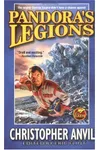
If you are new to Christopher Anvil’s fast-paced, humorous brand of science fiction, the absolute best place to begin is with Pandora's Legions (2002). This book is a "fix-up" novel edited by Eric Flint, which collects and chronologically arranges all of Anvil's stories in his famous Centran Empire universe. It perfectly showcases Anvil’s trademark theme: technologically superior alien conquerors being utterly baffled and outwitted by the sheer adaptability, stubbornness, and ingenuity of everyday humans.
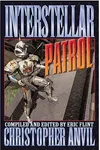
Another excellent entry point is the Interstellar Patrol series, starting with the self-titled collection Interstellar Patrol (2003). Featuring beloved characters like Vaughan Roberts, Morrissey, and Hammell, these stories read like a witty, problem-solving precursor to space opera classics, focused on clever scams and tactical competence over brute force.
The Pandora’s Planet Universe
The "Pandora" stories represent Anvil's most famous concept. The reading order here is simple because the modern collections make it highly accessible:
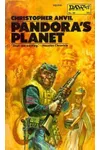
- Pandora's Planet (1972): The original novel-length expansion of Anvil's 1956 novelette of the same name. It establishes the premise of the cat-like Centrans invading Earth, only to find themselves culturally and technologically overwhelmed by the very humans they sought to civilize.
- Pandora's Legions (2002): The definitive, expanded edition compiled by Eric Flint. It incorporates the original 1972 novel material along with all subsequent sequel stories in chronological order. Recommendation: Skip the 1972 standalone edition and go straight to Pandora's Legions to read the complete narrative arc in one place.
The Interstellar Patrol & Federation of Humanity Series
This series centers on the Interstellar Patrol, an organization operating within the sprawling, chaotic "Federation of Humanity." The primary books are two omnibus collections edited by Eric Flint that compile the short stories in thematic and logical order:
- Interstellar Patrol (2003): Introduces the core team of Vaughan Roberts, Morrissey, and Hammell. These clever agents use unconventional thinking, elaborate bluffs, and administrative workarounds to resolve interstellar crises.
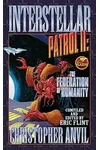
- Interstellar Patrol II: The Federation of Humanity (2005): The direct sequel collection, further expanding the universe and tracking how the patrol handles bureaucracy, alien encounters, and planetary disputes.
The Baen Collections (Edited by Eric Flint)
Because Christopher Anvil was primarily a short story writer for magazines like Astounding Science Fiction and Analog, his bibliography can look confusing. Between 2002 and 2010, Baen Books published several thematic collections edited by Eric Flint to preserve his short fiction. While listed in some bibliographies as standalone books, they are best read as thematic anthologies of his work. They can generally be read in any order, though reading by publication date is recommended:
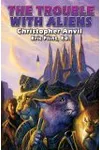
- The Trouble with Aliens (2006): A collection focusing on human conflicts with various extraterrestrial forces, notably featuring the "War with the Outs" series.
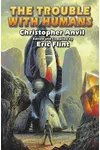
- The Trouble with Humans (2007): A companion anthology containing stories where aliens attempt to deal with the bizarre, unpredictable psychology of humans.
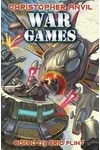
- War Games (2008): A collection focusing on military science fiction, tactical games, and combat scenarios solved through lateral thinking.
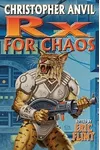
- Prescription for Chaos / Rx for Chaos (2009): Features stories centered on Morton Hommel, a pragmatic protagonist who uses basic science and engineering to solve systemic breakdowns.
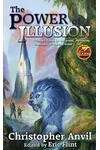
- The Power of Illusion (2010): The final collection in this reissue project, focusing on stories dealing with high-tech trickery, simulations, and perceptual manipulation.
True Standalone Novels
In addition to his compiled short stories, Anvil wrote a few true standalone novels. These are self-contained and require no prior reading:
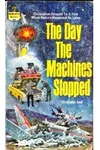
- The Day the Machines Stopped (1964): Anvil's first true standalone novel. It explores a sudden global blackout where electricity stops working, forcing humanity to quickly adapt to a steam-powered society.
- Warlord's World (1975): A space adventure novel that blends planetary colonization, military tactics, and political intrigue.
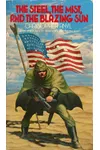
- The Steel, the Mist, and the Blazing Sun (1980): A speculative thriller set in a post-apocalyptic future, focusing on geopolitical tension and survival.
Practical Reader Advice & Caveats
When diving into Christopher Anvil's bibliography, keep these structural nuances in mind:
- Fix-Up Structure: Many of the "novels" listed in cataloging databases are actually short story collections or fix-ups. This means you do not need to worry about cliffhangers between books; most stories are episodic and self-contained.
- The Editorial Role of Eric Flint: The modern Baen editions are highly recommended over original magazine appearances. Flint did substantial work organizing the stories, correcting minor contradictions, and placing them in logical chronological reading paths.
- Tone and Themes: Anvil's work heavily reflects the mid-20th-century "Campbellian" sci-fi era—rationality, human supremacy, humor, and a deep skepticism of bloated bureaucracies. Keep this cultural context in mind as you read.