


Where to Begin: The Best Starting Point
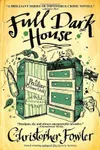
If you are looking to plunge into the wonderfully eccentric world of Christopher Fowler, the absolute best place to start is with the first published novel in his signature series, Full Dark House (2003). This book introduces readers to Arthur Bryant and John May, the two elderly detectives who head London's Peculiar Crimes Unit (PCU). While Fowler’s novels are written so they can generally be enjoyed as standalone mysteries, reading them in publication order is highly recommended. The character relationships, administrative struggles of the PCU, and recurring jokes build upon each other from book to book.
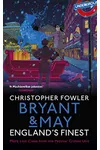
For readers who prefer a quicker entry point, the short story collection England’s Finest (2019) features twelve "lost cases" from the files of the Peculiar Crimes Unit. It includes a brief history of the PCU and serves as an excellent, low-commitment introduction to the tone and personalities of the two leads before you commit to the full-length novels.
Publication Order vs. Chronological Order
The timeline of the Bryant & May series is wonderfully fluid, featuring framing narratives set in the present day and main investigations set in different decades of the 20th century. Although a chronological-by-setting order is possible, it is not recommended for first-time readers because the framing stories in the present day contain major spoilers for the overarching character arcs. Here is how the flashback novels fit into the timeline:
- 1940 (The Blitz): The main mystery of the debut novel, Full Dark House, takes place during World War II, showcasing Bryant and May's very first case together. However, it is framed by a modern-day bombing that seemingly kills Arthur Bryant, making the historical investigation a retrospective journey.
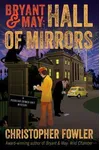
- 1969: The seventeenth novel, Hall of Mirrors (2018), is set entirely during the summer of 1969. It functions as a classic country house mystery, featuring a younger Bryant and May early in their partnership.
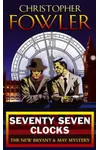
- 1973: The third novel, Seventy-Seven Clocks (2005), takes place during the strikes and blackouts of 1973, involving a series of bizarre, ritualistic murders centered around London's guildhalls.
Because of these shifts in time, reading in publication order allows you to appreciate the evolution of Fowler's writing and the slow unraveling of the detectives' long histories.
The Official Bryant & May Reading Order
This is the complete order of the Peculiar Crimes Unit books, matching the publication sequence, which includes both the full-length novels and the digital-exclusive novellas integrated into the main timeline:
- Full Dark House (2003)
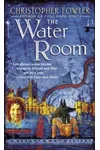
- The Water Room (2004)
- Seventy-Seven Clocks (2005)
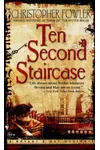
- Ten Second Staircase (2006)
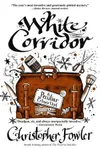
- White Corridor (2007)
- The Victoria Vanishes (2008)
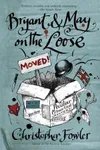
- Bryant & May on the Loose (2009)
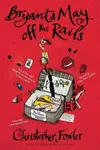
- Off the Rails (2010)
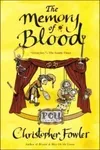
- The Memory of Blood (2011)
- Bryant & May's Mystery Tour (2011) – A holiday novella.
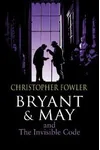
- The Invisible Code (2012)
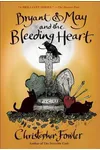
- The Bleeding Heart (2014) – Published in some regions as Bryant & May and the Bleeding Heart.
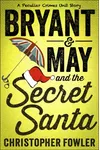
- Bryant & May and the Secret Santa (2015) – A holiday novella.
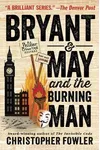
- The Burning Man (2015)
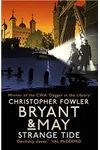
- Strange Tide (2016)
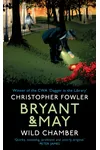
- Wild Chamber (2017)
- Hall of Mirrors (2018)
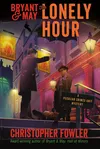
- The Lonely Hour (2019)
- England’s Finest (2019) – A short story collection of lost cases.
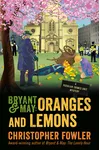
- Oranges and Lemons (2020)
- London Bridge Is Falling Down (2021)
Crucial Reading Note: While most books can stand alone, Bryant & May on the Loose and Off the Rails form a direct two-part story. You should not read Off the Rails without reading On the Loose first, as the plot carries directly over.
Companion Works and Graphic Novels
Fowler expanded the Bryant & May universe beyond traditional fiction, offering fans unique ways to explore the Peculiar Crimes Unit:
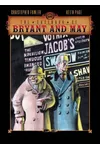
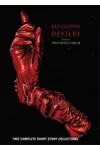
- The Casebook of Bryant & May: The Soho Devil (2012): A graphic novel illustrated by Keith Page, featuring a original mystery that perfectly captures the visual eccentricity of the characters.
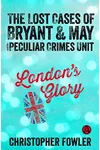
- London's Glory (2015): The first dedicated short story collection, containing rare tales and background information on the PCU staff.
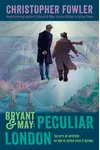
- Peculiar London (2022): The ultimate companion guide. It is a non-fiction tour of London's strangest historical locations, written in the voices of Bryant and May themselves.
The Proto-Bryant & May Novels
Long before Fowler officially launched the Bryant & May series in 2003, he was already experimenting with the characters. Arthur Bryant and John May make early, non-canonical prototype appearances in some of Fowler's early standalones:
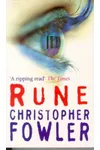
- Rune (1990) and Soho Black (1998): Bryant and May appear briefly as minor investigators. These versions do not perfectly align with the later PCU continuity but are a treat for completionists.
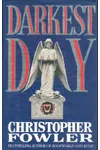
- Darkest Day (1993): This early horror-thriller prominently featured Bryant and May. However, because it contained overt supernatural occurrences that did not fit the more grounded (though still bizarre) tone of the official series, Fowler later heavily rewrote and repurposed this plot into the official third novel, Seventy-Seven Clocks.
Fowler's Standalone Fiction and Other Projects
Outside of the Peculiar Crimes Unit, Christopher Fowler was a prolific author of standalone urban unease, horror, and memoirs:
- Roofworld (1988): Fowler's debut novel, featuring a secret society living on the rooftops of London. It is the perfect companion read for fans of the urban exploration themes in Bryant & May.
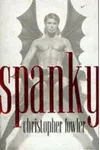
- Spanky (1994): A dark, Faustian thriller set in the 1990s London art scene, dealing with a demonic pact.
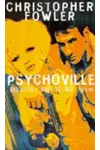
- Psychoville (1995): A pitch-black satirical thriller about the horrors of suburban planning and community dynamics.
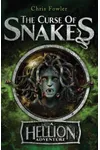
- The Hellion Series: Fowler published The Curse of Snakes in 2010. Originally planned as a six-part young adult urban horror series retelling Greek myths, editorial conflicts and poor marketing led to the series being discontinued after the first book, leaving it as a standalone.
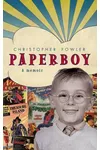
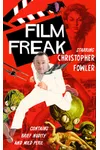
- Memoirs: For readers who want to understand the mind behind the mysteries, Fowler wrote two highly acclaimed memoirs, Paperboy (2009) and Film Freak (2013), detailing his childhood in a bookless home and his career in the British film industry.