

The Recommended Starting Point
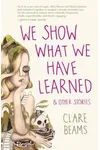
Because Clare Beams’s bibliography consists of standalone novels and a single short story collection, you have a couple of excellent entry points depending on your reading preferences. However, if you want the absolute best introduction to her unique style, we recommend starting with her debut collection, We Show What We Have Learned (2016). This collection serves as a perfect showcase of her signature blend of historical settings, feminist themes, and unsettling surrealism. By reading these short stories first, you will get accustomed to her needle-sharp prose and gothic atmosphere in bite-sized portions before tackling her longer narratives.
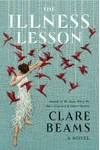
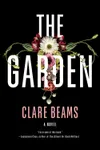
If you prefer to start directly with a full-length novel, your best bet is The Illness Lesson (2020). It is her debut novel and established her as a major voice in contemporary feminist gothic fiction. Alternatively, you can dive straight into her most recent work, The Garden (2024), especially if you are interested in historical medical dramas with a surreal twist.
Publication Order of Standalone Novels
If you prefer to watch an author's style mature and expand over time, reading in publication order is always a safe and rewarding route. Clare Beams has published two novels to date:
- The Illness Lesson (February 2020)
- The Garden (April 2024)
Chronological Order and Historical Settings
While Clare Beams's books do not share a single continuous narrative or recurring characters, they are all deeply rooted in specific historical eras. If you want to read her works chronologically by the historical period in which they are set, the order changes slightly:
- The Illness Lesson – Set in 1871 in Massachusetts.
- The Garden – Set in 1948 at a mysterious country estate.
- We Show What We Have Learned and Other Stories – This collection contains stories set across various time periods, ranging from the late 19th century, the Great Depression era (such as "The Saltwater Cure"), up to the mid-to-late 20th century and surreal contemporary spaces.
Deep Dive into the Books
The Illness Lesson (2020)
Set in 1870s New England, this novel centers on a progressive school for girls established by Samuel Hood and his daughter, Caroline. When the pupils begin to suffer from a bizarre and unexplained physical illness—marked by joint pain, rashes, and fits—the school’s leadership brings in a male doctor whose rigid, invasive treatments reflect the paternalistic medical practices of the Victorian era. It is a slow-burn psychological thriller that explores the boundaries of female autonomy and the terrifying consequences of silencing women’s voices.
The Garden (2024)
Taking place in 1948, The Garden tells the story of Irene Willard, a woman who has suffered multiple miscarriages and is desperate to carry a pregnancy to term. She travels to a secretive facility housed on a decaying estate run by a doctor and his sister. There, the pregnant residents are subjected to a strict regimen, and Irene discovers a walled garden on the property that seems to possess strange, organic, and perhaps supernatural powers. The novel is a chilling and imaginative examination of maternal vulnerability and is heavily inspired by the real-life medical tragedy of diethylstilbestrol (DES), a synthetic estrogen widely prescribed to pregnant women in the mid-20th century that later caused severe health issues in their children.
We Show What We Have Learned (2016)
This collection features nine stories that examine the pressures placed on women's bodies and identities. Standout stories include "Hourglass," where girls attending a boarding school are physically altered by their headmistress, and "The Saltwater Cure" (first published in 2013 in One Story), which is set during the Great Depression at a remote saltwater resort promising miraculous health cures. These stories highlight Beams's ability to blend historical realism with the uncanny, drawing frequent comparisons to the works of Shirley Jackson, Kelly Link, and Margaret Atwood.
What to Know Before You Start
Before diving into Clare Beams's books, readers should be prepared for a distinctive tone that merges the historical with the surreal. Her stories often feature elements of body horror and physical transformation to mirror the societal expectations and medical control imposed on women throughout history. If you are sensitive to themes of medical malpractice, miscarriage, or psychological gaslighting, you may want to approach her novels with care, as both The Illness Lesson and The Garden deal heavily with these subjects.