




Where to Start: The Recommended Reading Path
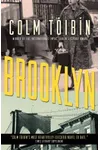
For most readers, the absolute best entry point into Colm Tóibín’s bibliography is his award-winning 2009 novel, Brooklyn. It is a masterpiece of understated emotional depth, telling the story of Eilis Lacey, a young woman who leaves the small Irish town of Enniscorthy in the 1950s to forge a new life in America. Because it has a direct sequel, reading this book first establishes the foundation for his most popular narrative arc.
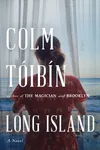
Once you finish Brooklyn, you should head straight to its direct sequel, Long Island (2024). Set twenty years later, the sequel follows Eilis as a sudden, shocking revelation forces her to return to Ireland and confront the ghosts, family members, and unresolved relationships she left behind. Reading these two novels back-to-back offers a complete, deeply satisfying character study.
The Enniscorthy Universe: Connecting the Wexford Novels
While many of Tóibín's novels are marketed as standalones, several are connected by their geography. Tóibín was born in Enniscorthy, County Wexford, and has returned to this setting throughout his career to create a rich, shared fictional landscape. If you enjoy the atmosphere of Brooklyn, you should explore these companion works next:
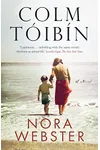
- Nora Webster (2014): Set in Enniscorthy during the late 1960s and early 1970s, this novel follows a widow navigating grief and independence. While not a sequel to Brooklyn, it takes place in the same community. Eilis Lacey is referenced in passing as a local girl who went to America, and Nora Webster herself makes a brief cameo appearance in Long Island.
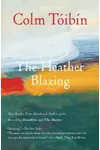
- The Heather Blazing (1992): An early novel centering on Eamon Redmond, a high court judge reflecting on his life, family, and the changing landscape of Wexford. It provides a deep dive into the political and historical context of the region.
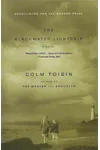
- The Blackwater Lightship (1999): Set along the Wexford coast, this moving novel brings together three generations of estranged women who must unite to care for a family member dying of AIDS. It showcases the coastal geography that Tóibín frequently writes about.
The Historical and Biographical Masterpieces
Beyond his Irish-centered stories, Tóibín is highly acclaimed for his biographical fiction, where he inhabits the minds of famous historical writers. These can be read in any order, but they are best appreciated by readers who enjoy deep, psychological character portraits:
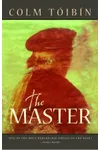
- The Master (2004): A brilliant, intimate portrait of the American author Henry James during the final years of the 19th century. It explores themes of exile, artistic sacrifice, and loneliness, earning Tóibín the International Dublin Literary Award.
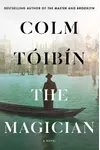
- The Magician (2021): A sweeping, epic biographical novel detailing the complex public and private life of German author Thomas Mann, spanning the world wars, exile, and family secrets.
Mythological and Biblical Reinterpretations
Tóibín has also turned his spare, evocative prose style to ancient narratives, bringing a human scale to larger-than-life figures. These standalones are short, sharp, and highly dramatic:
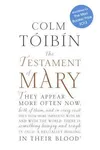
- The Testament of Mary (2012): A provocative, raw novella depicting Mary, the mother of Jesus, in her final years as she recalls the traumatic events surrounding her son's death and guards her own truth against the gospel writers.
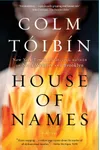
- House of Names (2017): A brutal, modern retelling of the Oresteia, focusing on Clytemnestra, Agamemnon, and their children, Orestes and Electra, as they are caught in a cycle of domestic violence and political vengeance.
Complete List of Colm Tóibín’s Novels in Publication Order
If you prefer to watch Tóibín’s style evolve from his early career to his latest triumphs, you can read his novels in order of publication:
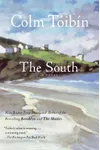
- The South (1990) – Tóibín's debut novel, following an Irish woman who leaves her family to seek a new life as a painter in Spain.
- The Heather Blazing (1992) – A study of judicial duty, memory, and Wexford history.
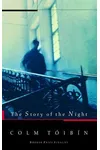
- The Story of the Night (1996) – Set in Argentina during the Falklands War, detailing the life of a gay man navigating political transition.
- The Blackwater Lightship (1999) – A family drama set on the Wexford coast.
- The Master (2004) – His celebrated biographical novel about Henry James.
- Brooklyn (2009) – The first part of the Eilis Lacey story.
- The Testament of Mary (2012) – A reimagining of the mother of Christ.
- Nora Webster (2014) – A portrait of widowhood and healing in Enniscorthy.
- House of Names (2017) – A dark retelling of Greek tragedy.
- The Magician (2021) – A biographical novel detailing the life of Thomas Mann.
- Long Island (2024) – The direct sequel to Brooklyn.
What to Know Before You Start
Before diving in, new readers should know that Tóibín's style is famously minimalist and restrained. He does not rely on flashy plots; instead, his strength lies in capturing the quiet internal struggles of his characters, the weight of social expectations, and the silent undercurrents of family relationships. While his books are easy to read due to his clear prose, they carry immense emotional weight. Starting with the Eilis Lacey novels (Brooklyn and Long Island) gives you the perfect balance of accessible storytelling and emotional depth before you branch out into his more experimental or historical work.