


How to Read Colson Whitehead’s Books
Colson Whitehead is one of the most versatile and celebrated voices in contemporary American literature. As a double Pulitzer Prize winner, his works stretch across historical fiction, speculative noir, zombie apocalypses, coming-of-age stories, and heist sagas. Since most of his works are standalones, you have a lot of flexibility in how you approach his bibliography. However, with the completion of his highly anticipated Harlem Trilogy, there is now a definitive multi-book reading order you must follow.
Path 1: The Ray Carney / Harlem Trilogy (Chronological & Publication Order)
If you want a continuous narrative experience, start here. This trilogy follows Ray Carney, a furniture salesman in Harlem trying to walk the straight line while occasionally dipping into the criminal underworld as a fence. The books cover three distinct decades of Harlem's history and should be read in order to appreciate Carney's evolution and the changing landscape of New York City.
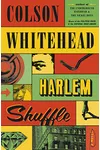
- Harlem Shuffle (2021): Set in the 1960s, this novel introduces Ray Carney as he gets pulled into a heist at the Hotel Theresa. It establishes the double life he leads between respectable entrepreneur and crooked associate.
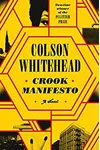
- Crook Manifesto (2023): Set in the 1970s, the story moves into a grittier, strike-plagued New York. Carney tries to stay clean but is dragged back into the game to secure Jackson 5 concert tickets for his daughter, leading to encounters with crooked cops and radical groups.
- Cool Machine (2026): The trilogy's conclusion takes us into the 1980s. Ray Carney navigates a rapidly shifting city dominated by gentrification, new drug epidemics, and high-tech changes, wrapping up his decades-long journey.
Path 2: The Standalone Masterpieces (Any Order)
Apart from the Harlem Trilogy, all of Colson Whitehead's novels are standalone works. You can read these in any order you choose, though they can be grouped by tone and genre:
The Acclaimed Historical & Speculative Duology
While not narratively connected, these two novels represent the peak of Whitehead's mainstream recognition, both winning the Pulitzer Prize for Fiction. They offer a profound, devastating look at the African American experience.
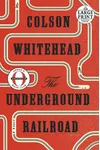
- The Underground Railroad (2016): A speculative historical novel where the famous escape network is reimagined as a literal underground train system with tracks, conductors, and steam engines. It follows Cora, an enslaved woman escaping a Georgia plantation.
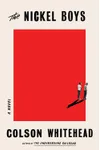
- The Nickel Boys (2019): Set during the Jim Crow era in the 1960s, this heartbreaking novel is based on the real-world horrors of the Dozier School for Boys in Florida, focusing on a promising young student named Elwood Curtis.
Speculative & Genre-Bending Novels
These early and mid-career works showcase Whitehead’s love for blending literary fiction with science fiction, noir, and satire.
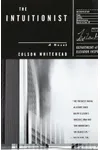
- The Intuitionist (1999): Whitehead’s debut novel is a noir allegory centering on Lila Mae Watson, the city's first Black female elevator inspector, who belongs to a faction of inspectors who check elevators by intuition rather than mechanical testing.
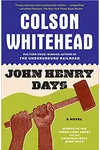
- John Henry Days (2001): A sweeping, satirical look at the legend of the steel-driving man John Henry, juxtaposed with a modern-day journalist attending a festival in West Virginia.
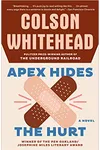
- Apex Hides the Hurt (2006): A sharp satire about a nomenclature consultant hired by a town to help them choose a new, racially inclusive name.
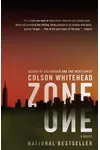
- Zone One (2011): Whitehead's take on post-apocalyptic fiction, following a survivor named Mark Spit who is hired to clear remaining zombies from lower Manhattan.
Coming-of-Age & Non-Fiction
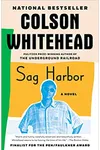
- Sag Harbor (2009): A nostalgic, semi-autobiographical coming-of-age story about a group of Black teenagers spending their summer in the Hamptons during the mid-1980s.
- The Noble Hustle: Poker, Beef Jerky & Death (2014): A humorous non-fiction account of Whitehead’s experience being staked by Grantland to play in the 2011 World Series of Poker.
- The Colossus of New York (2003): A collection of lyrical essays capturing the sights, sounds, and rhythms of New York City.
Complete Publication Order of Colson Whitehead Books
If you prefer to see how Whitehead’s style, themes, and genre experimentation evolved over time, reading his books in order of publication is a rewarding experience. Here is the chronological checklist:
- The Intuitionist (Novel, 1999)
- John Henry Days (Novel, 2001)
- The Colossus of New York (Essays, 2003)
- Apex Hides the Hurt (Novel, 2006)
- Sag Harbor (Novel, 2009)
- Zone One (Novel, 2011)
- The Noble Hustle (Non-Fiction, 2014)
- The Underground Railroad (Novel, 2016)
- The Nickel Boys (Novel, 2019)
- Harlem Shuffle (Harlem Trilogy #1, 2021)
- Crook Manifesto (Harlem Trilogy #2, 2023)
- Cool Machine (Harlem Trilogy #3, 2026)
Where Should You Start?
Because Whitehead's styles vary so widely, your best starting point depends on what you enjoy most:
- If you love gripping historical drama: Start with The Underground Railroad. It is his most famous work, showcasing how he blends historical realities with brilliant speculative elements.
- If you prefer character-driven crime fiction: Start with Harlem Shuffle. It’s a fun, atmospheric heist novel that kicks off his excellent Harlem Trilogy.
- If you want something quirky and literary: Start with The Intuitionist. It is a brilliant debut that demonstrates his unique voice and metaphorical depth right from the beginning.