








Where to Start Reading Cornell Woolrich
Cornell Woolrich did not write interconnected, multi-book series with recurring characters. Instead, his legacy is built on standalone novels, psychological suspense thrillers, and a massive catalog of short stories. Because his books do not share a continuous plot, you can read them in almost any order. However, diving directly into his bibliography without a plan can be overwhelming. Here are the three best entry points for new readers:
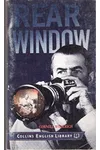
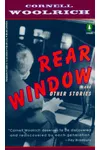
- The Short Story Route: "It Had to Be Murder" (Rear Window): If you want to experience Woolrich's masterclass in voyeuristic tension, start with his 1942 short story originally published under the pseudonym William Irish. It serves as the foundation for Alfred Hitchcock's iconic film Rear Window. You can find this story in many of his collections, including Rear Window and Other Stories.
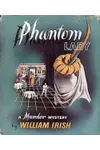
- The Suspense Novel Route: Phantom Lady (1942): Published under the name William Irish, this is one of Woolrich's most celebrated thrillers. It tells the story of a man falsely accused of murdering his wife, whose only alibi is a mysterious woman in an orange hat who has seemingly vanished into thin air. It is fast-paced, atmospheric, and contains some of Woolrich's best race-against-the-clock plotting.
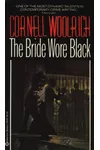
- The Revenge Route: The Bride Wore Black (1940/1946): This novel kicks off his famous "Black Series" and introduces readers to a widow systematically hunting down the men responsible for her husband's death. It showcases his signature blend of doom, obsession, and narrative irony.
The Famous "Black Series"
Woolrich's most celebrated body of work is his loose thematic collection known as the "Black Series." Published between 1940 and 1948, these six novels are not connected by characters or plot, but rather by their dark, atmospheric tone, existential dread, and the word "Black" in their titles. They are widely regarded as the pinnacle of American pulp noir. The recommended reading order for this series is the original publication order:
- The Bride Wore Black (1940 / local database lists 1946)
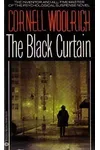
- The Black Curtain (1941)
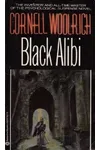
- Black Alibi (1942)
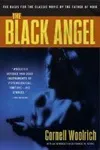
- The Black Angel (1943)
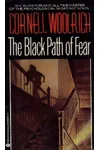
- The Black Path of Fear (1944 / local database lists 1946)
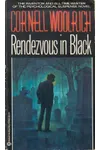
- Rendezvous in Black (1948)
Understanding Woolrich's Pseudonyms
To fully navigate Woolrich's catalog, readers must understand his pseudonyms. Woolrich was a highly prolific writer who frequently published under different names to manage his output across various publishers and magazines:
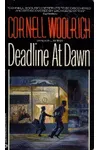
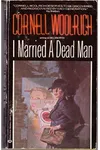
- William Irish: Woolrich's most famous pseudonym. Under this name, he published landmark noir novels like Phantom Lady (1942), Deadline at Dawn (1944), and I Married a Dead Man (1948), as well as dozens of short stories.
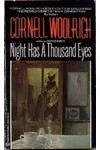
- George Hopley: Used less frequently, this pseudonym was created by using his middle names (George Hopley). Most notably, his suspense novel Night Has a Thousand Eyes (1945) was originally published under this name.
The Jazz Age vs. Noir: Two Eras of Woolrich
Woolrich's career can be divided into two distinct eras. Understanding this split helps readers avoid choosing a book that doesn't fit their expectations:
The Jazz Age Novels (1926–1932)
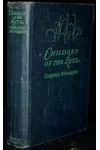
Before becoming the father of noir, Woolrich began his career writing Jazz Age fiction heavily inspired by F. Scott Fitzgerald. These early works focus on young love, high society, and the roaring twenties. While interesting for historical context, they lack the gritty suspense and paranoia of his later works. His debut, Cover Charge (1926), and books like Children of the Ritz (1927) belong to this era.
The Suspense and Noir Era (1934–1968)
Triggered by the Great Depression, Woolrich transitioned to writing gritty pulp fiction. This is the era that cemented his status as a master storyteller. Starting with short stories in magazines like Dime Detective and Black Mask, he went on to write the classic novels of paranoia, doomed lovers, and ticking-clock mysteries that define his reputation today.
Publication Order of Standalone Novels
Below is the chronological publication order of Cornell Woolrich's standalone novels, including his early Jazz Age pieces, major noir works, and novels published under his pseudonyms. Note that some publication years in reprint databases (such as 1946 for The Bride Wore Black) reflect subsequent widespread releases rather than their original hardback dates:
- Cover Charge (1926)
- Children of the Ritz (1927)
- Times Square (1929)
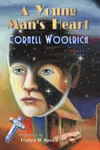
- A Young Man's Heart (1930)
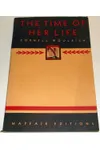
- The Time of Her Life (1931)
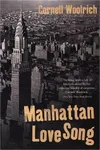
- Manhattan Love Song (1932)
- The Black Curtain (1941)
- Black Alibi (1942)
- Phantom Lady (As: William Irish, 1942)
- The Black Angel (1943)
- Deadline at Dawn (As: William Irish, 1944)
- Night Has a Thousand Eyes (1945)
- The Black Path of Fear (1946)
- The Bride Wore Black (1946)
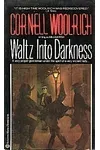
- Waltz Into Darkness (As: William Irish, 1947)
- Rendezvous in Black (1948)
- I Married a Dead Man (1948)
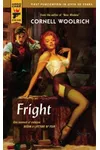
- Fright (1950)
- Savage Bride (1950)
- Strangler's Serenade (As: William Irish, 1951)
- Marijuana (1951)
- Hotel Room (1958)
- Into the Night (1959)
- The Doom Stone (1960)
Short Stories and Essential Anthologies
Woolrich was exceptionally prolific in the short fiction format, publishing hundreds of stories in pulp magazines. Many of his best ideas, including the story that inspired Rear Window, were first published in this format. Since his death, these stories have been collected in numerous anthologies. Key collections to look out for include:
- Rear Window and Other Stories (originally compiled in 1942 as Rear Window and Other Murderous Tales)
- Violence (1958)
- Beyond the Night (1959)
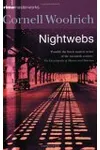
- Nightwebs (1971)
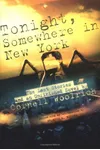
- Tonight, Somewhere in New York (2005)
What to Know Before You Start
Woolrich's writing relies heavily on what critics call "nightmare logic." His stories are driven by coincidence, extreme anxiety, and characters who are trapped by a cruel and indifferent fate. If you are looking for highly logical, procedural detective stories where clues are parsed scientifically, Woolrich might surprise you. His focus is entirely on psychological suspense, atmosphere, and the terror of the ordinary citizen caught in a trap. Furthermore, because he wrote so many pieces under various names and for different publishers, you may find the same short stories printed under different titles across various anthologies.