




Where to Start: The Core Biographical Trilogy
While Corrie ten Boom wrote dozens of devotionals and guides to faith, her life story is captured in three main biographical books. Although they were not published in chronological order, they form a cohesive timeline of her early life, her time in the Dutch resistance, and her subsequent global ministry. If you want to experience her extraordinary life story, this is the definitive order to read them.
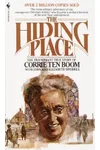
1. The Hiding Place (1971)
Start here. Co-written with John and Elizabeth Sherrill, The Hiding Place is Corrie ten Boom's most famous and essential work. It chronicles her family's work with the Dutch Underground during World War II, the construction of a secret room in their Haarlem home, their eventual arrest by the Gestapo, and Corrie's harrowing survival of Ravensbrück concentration camp. Read this first to ground yourself in her life and understand the source of her profound messages of forgiveness.
2. In My Father's House (1976)
Read this second as a prequel. Co-authored with Carole C. Carlson, In My Father's House explores the years before the Nazi occupation of the Netherlands. It details the ten Boom family history, Casper ten Boom's watchmaking shop, Corrie's childhood, and her journey to becoming the first licensed female watchmaker in the Netherlands in 1922. It provides vital context on the deep-rooted faith and family values that later gave them the courage to risk their lives.
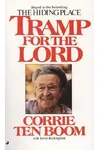
3. Tramp for the Lord (1974)
Read this third as a sequel. Written with the help of Jamie Buckingham, Tramp for the Lord picks up where The Hiding Place leaves off. It details Corrie's post-war life and thirty years of traveling as a global evangelist in over 60 countries. The book highlights her challenges and miracles, including her famous, difficult decision to extend forgiveness to a former Ravensbrück guard who attended one of her services.
The Biographical Timeline vs. Publication Order
Because Corrie ten Boom wrote her autobiographical works out of order, readers must choose between following the chronological path of her life or the order in which the books were released to the public. Below is a comparison to help you choose the best approach for your library.
The Chronological Narrative Order
- In My Father's House (1976) – Covers early life and family background (1892–1939).
- The Hiding Place (1971) – Covers the war years, resistance efforts, and concentration camp imprisonment (1940–1945).
- Tramp for the Lord (1974) – Covers her post-war global travels and evangelistic work (1945–1970s).
The Publication Order
- The Hiding Place (1971)
- Tramp for the Lord (1974)
- In My Father's House (1976)
Recommendation: Reading by publication order is generally preferred by most readers. The Hiding Place is her most compelling, high-stakes work, and starting with it makes the prequel and sequel much more impactful.
Wartime Letters and Early Accounts
For readers who want to go deeper into her wartime experience, two other books serve as crucial historical companions to The Hiding Place:
- A Prisoner and Yet (1954): Written long before The Hiding Place, this is Corrie's earliest published account of her imprisonment. It focuses heavily on her internal spiritual struggles and victories inside the Scheveningen prison, Vught, and Ravensbrück concentration camps. While many stories overlap with The Hiding Place, it offers a raw, immediate perspective written closer to the events.
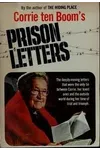
- Corrie ten Boom's Prison Letters (1975): This collection contains the actual letters exchanged between Corrie and her family during their imprisonment in 1944. It provides a rare, uncensored window into their faith, anxieties, and daily survival strategies behind bars.
Devotionals, Collections, and Practical Faith Books
Aside from her narrative memoirs, Corrie ten Boom published numerous collections of spiritual teachings, devotionals, and testimonies. These books do not follow any chronological order and can be read completely as standalones or in any order you choose:
- Amazing Love (1953): One of her earliest books, collecting stories and lessons from her early post-war travels. It shares how she brought the message of reconciliation to a broken, war-torn Europe.
- Not Good If Detached (1966): A brief, practical guide on how a Christian can remain spiritually connected to God to find strength in daily struggles.
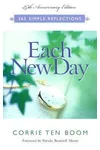
- Each New Day (1977) and Prayers and Promises for Every Day (1977): Daily devotional books containing short scripture passages, reflections, and prayers to guide readers through the year.
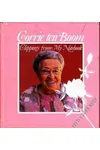
- Clippings from My Notebook (1982): A collection of thoughts, quotes, and lessons compiled from Corrie's personal notebooks over decades of travel and ministry.
- Father Ten Boom, God's Man (1978): A dedicated biography and tribute to Casper ten Boom, expanding on his character, faith, and influence on his children.
Co-Authors and Collaborators
Because Corrie ten Boom was not a professional writer by trade and English was not her native language, she relied on collaborators to help shape her memoirs for a global audience. Knowing who assisted her helps readers appreciate the style of each book:
- John and Elizabeth Sherrill: The veteran Christian journalists who helped shape The Hiding Place. They spent hours interviewing Corrie to translate her oral stories into a structured, narrative-driven autobiography.
- Carole C. Carlson: Collaborated with Corrie on In My Father's House and other works like Father Ten Boom.
- Jamie Buckingham: A prominent Christian author who assisted in translating her post-war travel notes into the engaging chapters of Tramp for the Lord.