



Where to Start with Craig Rice
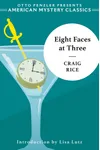
For readers diving into the chaotic, drink-soaked, and hilarious world of Craig Rice (the pen name of Georgiana Ann Randolph Craig), the best starting point is her debut novel, Eight Faces at Three (1939). This book introduces her famous crime-solving trio: defense attorney John J. Malone, press agent Jake Justus, and wealthy heiress Helene Brand. Because their personal relationships and marital statuses evolve dynamically over the course of the books, reading the John J. Malone series in publication order is highly recommended.
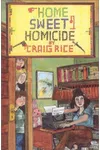
If you prefer a gentler, more family-centric entry point, start with the standalone novel Home Sweet Homicide (1944). Based closely on Rice's own life as a hardworking writer raising three children, it features a group of clever kids who try to solve a neighborhood murder to secure publicity for their mother's books. It is a masterpiece of cozy mystery writing and was adapted into a successful film in 1946.
The John J. Malone Series
The rumpled, cigar-chomping, rye-drinking Chicago lawyer John J. Malone is Rice's most enduring creation. Malone's chaotic legal practice is secondary to his talent for stumbling into murder cases alongside his partners-in-chaos, Jake Justus and Helene Brand. They spend as much time mixing cocktails and hiding bodies from the police as they do chasing clues, making these books early landmarks of screwball crime fiction.
While each book features a self-contained mystery, the character dynamics change over time. Readers will get the most enjoyment by following the publication order:
- Eight Faces at Three (1939) – Introduces the trio as they investigate a murder in a mansion where all the clocks stopped at 3 a.m.
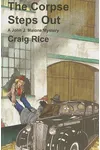
- The Corpse Steps Out (1940) – Involves a radio star, blackmail, and a body that refuses to stay put.
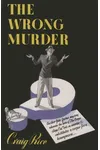
- The Wrong Murder (1940) – Jake and Helene's wedding plans are interrupted by a bet to commit a perfect murder.
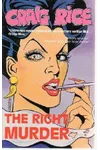
- The Right Murder (1941) – Malone gets caught up with a stranger who predicted his own murder.
- Trial by Fury (1941) – A classic courthouse mystery set in a small Wisconsin town where Malone is nearly lynched.
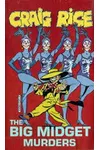
- The Big Midget Murders (1942) – Malone investigates the backstage murder of a diminutive vaudeville performer.
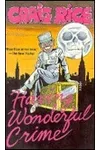
- Having a Wonderful Crime (1943) – The trio vacation in New York only to find a headless corpse.
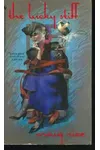
- The Lucky Stiff (1945) – Helene and Jake try to clear a girl who has already been executed for murder (or has she?).
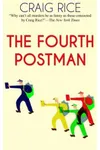
- The Fourth Postman (1948) – A bizarre Chicago neighborhood mystery involving postmen being murdered one by one.
- Knocked for a Loop (1957) (also published as The Double Frame) – A darker, later entry involving kidnapping and framing.
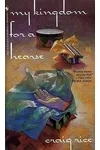
- My Kingdom for a Hearse (1957) – Malone is hired by a glamorous cosmetics queen whose models are being systematically attacked.
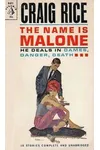
- The Name is Malone (1958) – A collection of short stories showcasing Malone's legal and sleuthing prowess.
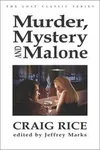
- Murder, Mystery and Malone (1963) – A posthumous collection of short stories compiled by editor Eleanor Sullivan.
- But the Doctor Died (1967) – A posthumously completed novel featuring Malone's typical legal gymnastics.
Bingo Riggs and Handsome Kusak
Apart from John J. Malone, Rice created a second memorable series featuring Bingo Riggs and Handsome Kusak, two street-smart, perpetually broke Chicago street photographers. Their schemes to strike it rich inevitably lead them into murder investigations. The tone of these books is lighthearted, focusing on con-artist schemes and snappy dialogue. The books should be read in order:
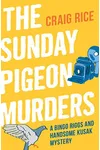
- The Sunday Pigeon Murders (1942) – The duo's plan to kidnap homing pigeons leads to blackmail and murder.
- The Thursday Turkey Murders (1943) – A treasure hunt involving wild turkeys and missing gold bullion.
- The April Robin Murders (1958) – The final book in the trilogy, unfinished at the time of Rice's death in 1957 and completed by the famous mystery author Evan Hunter (writing under the pseudonym Ed McBain).
The Melville Fairr Series (Written as Michael Venning)
For readers who enjoy a darker, more psychological tone, Rice wrote three novels under the pseudonym Michael Venning. The name itself was an inside joke, as "Michael Venning" was the name of a murder victim in her Malone novel The Right Murder. These books feature Melville Fairr, an inconspicuous, quiet New York City lawyer who acts as a quiet observer of human nature. They lack the alcohol-soaked humor of the Malone books, focusing instead on suspense and character study:
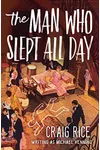
- The Man Who Slept All Day (1942)
- Murder Through the Looking Glass (1943)
- Jethro Hammer (1944)
Pseudonyms, Ghostwriting, and Crossovers
Craig Rice was a prolific ghostwriter and collaborator. Her notable miscellaneous works include:
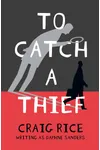
- To Catch a Thief (1943) – Written under the pseudonym Daphne Sanders, this serious suspense novel about stock swindling is unrelated to the 1952 David Dodge novel that inspired the Alfred Hitchcock movie.
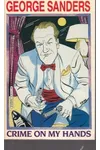
- Crime on My Hands (1944) – A mystery novel published under the name of actor George Sanders, but ghostwritten by Craig Rice (possibly with Cleve Cartmill).
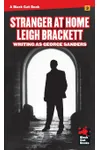
- Stranger at Home (1946) – Often associated with Rice due to her connection to George Sanders, this novel was actually ghostwritten for Sanders by the legendary Leigh Brackett.
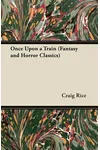
- Once Upon a Train (1950) – A legendary crossover short story co-written with Stuart Palmer. It brings together Rice's John J. Malone and Palmer's spinster detective Hildegarde Withers on a train ride to solve a murder. This crossover was expanded into the book People vs. Withers and Malone (1963).
What to Know Before You Start
Craig Rice's work reflects the "screwball" comedy style popular in 1930s and 1940s Hollywood. Her characters consume astronomical amounts of gin and rye, treat police questioning as an inconvenience, and solve crimes using intuition and pure luck. While the books are lighthearted, they do contain elements of the hard-boiled crime of their era. Modern readers should approach them as fun, vintage period pieces that represent the peak of comedic detective fiction.