

Where to Start Reading Cristina Henríquez
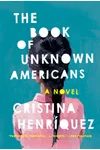
For readers new to Cristina Henríquez, the best starting point is her breakout novel, The Book of Unknown Americans (2014). This critically acclaimed work is highly accessible and perfectly showcases her signature style: multi-perspective storytelling, deep emotional empathy, and a focus on the everyday realities of immigrant life in the United States.
The novel follows Alma and Arturo Rivera, who move from Mexico to a small apartment complex in Delaware hoping to find specialized education and care for their teenage daughter, Maribel, who has suffered a traumatic brain injury. In Delaware, they find a vibrant, supportive community of fellow Latin American immigrants. The heart of the story centers on the gentle, innocent romance between Maribel and Mayor Toro, a first-generation teenager of Panamanian descent. The book's unique structure features a "chorus" of voices from different residents in the building, giving readers a multifaceted look at the diversity of the American immigrant experience.
Publication Order of Standalone Novels
Because Henríquez’s novels are entirely standalone works with no shared continuity, you can safely read them in any order. However, reading them in order of publication allows you to witness her growth as a novelist—moving from intimate family dramas to sprawling, multi-voiced historical epics.
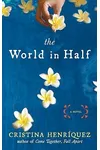
- The World in Half (2009) – Henríquez’s debut novel focuses on Miraflores (Mira), a young woman who travels to Panama to track down the father she never knew. Driven by old letters she discovers while caring for her mother who has Alzheimer's disease, Mira's search becomes a powerful exploration of identity and cultural belonging.
- The Book of Unknown Americans (2014) – A contemporary novel centering on a Delaware apartment complex and the interconnected lives of the immigrant families living inside.
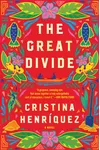
- The Great Divide (2024) – A sweeping historical novel set in 1907 during the construction of the Panama Canal. Instead of focusing on the engineering feat itself, Henríquez brings to life the unsung heroes and marginalized groups affected by the canal, including Ada Bunting (a Barbadian girl trying to earn money for her sister’s surgery), a local fisherman named Francisco, his son Omar, and an American scientist fighting malaria.
Short Fiction and Collections
In addition to her full-length novels, Henríquez is an accomplished writer of short fiction. Her shorter works are excellent for readers who want to experience her evocative writing style in smaller doses.
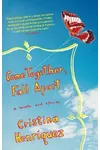
- Come Together, Fall Apart (2006) – This collection features eight short stories and a title novella. Set in Panama around the time of the 1989 U.S. invasion and the fall of Manuel Noriega, these stories capture the personal lives of citizens navigating a nation in political transition. Notable stories in this volume include Yanina, Ashes, and Mercury.
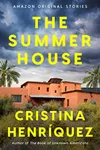
- The Summer House (2021) – A standalone short story published digitally. It follows Alberto, a handyman working for a wealthy employer, who must navigate a moral dilemma when he encounters his employer's heartbroken wife, Lola, alone at their summer home.
Understanding the "Currency" Series Misconception
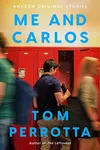
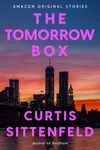
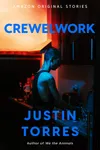
When searching database listings or online bookstores, you may find books like Me and Carlos, The Tomorrow Box, or Crewelwork grouped under a "Currency" series alongside Cristina Henríquez's name. It is important to know that these are not written by Henríquez.
In 2021, Amazon Original Stories published the "Currency" collection—a themed anthology of eight individual stories examining wealth, class, and social status. While the collection was marketed together, each story was penned by a different author. Henríquez contributed only one story to this project: The Summer House. The other titles in the collection, such as Tom Perrotta’s Me and Carlos and Curtis Sittenfeld’s The Tomorrow Box, are completely separate works that do not feature Henríquez's writing.
What to Know Before You Start
Henríquez's writing is heavily inspired by her own background; born in Delaware to a Panamanian father and an American mother, she spent her summers in Panama, a dual-heritage perspective that shines through in all of her books. Her stories focus on the human faces behind major events and political debates, ensuring her characters always feel like real, complex human beings rather than stereotypes. Whether she is exploring a modern apartment complex or the historic construction of the Panama Canal, her focus remains on family, sacrifice, and the enduring search for home.