
How to Start Reading Cristina Rivera Garza
Cristina Rivera Garza is a writer who refuses to stay inside traditional genre lines. Her works blend historical research, detective mysteries, poetic prose, and documentary evidence. Because her books are deeply thematic rather than chronological sequels, you do not need to read them in a strict order. However, choosing the right entry point depends on whether you want to start with her acclaimed non-fiction or her surreal, gothic fiction.
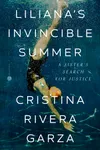
The Non-Fiction Starting Point: For most readers, the best place to start is Liliana's Invincible Summer (2021 in Spanish, 2023 in English). This deeply personal memoir is the work that earned her the 2024 Pulitzer Prize. It acts as a powerful introduction to her signature style of using archival research—letters, diaries, and police files—to piece together a narrative. It is emotional, urgent, and highlights her core theme of addressing gender violence and femicide in Mexico.
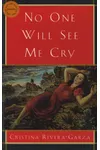
The Fiction Starting Point: If you prefer to begin with her novels, start with No One Will See Me Cry (1999). Set in a Mexican asylum during the early 20th century, this novel is one of her most famous fictional works. It showcases her ability to blend historical rigor with beautiful, atmospheric prose, exploring madness, identity, and marginalized lives during the Mexican Revolution.
Publication Order of Standalone Novels
While Rivera Garza's novels are standalone stories, reading them in their original publication order allows you to see how she experiments with form and genre over time. Note that there is often a significant delay between the original Spanish release and the English translation. Below is the list of her translated novels in order of their original Spanish release, which is the truest representation of her development as a writer:
- No One Will See Me Cry (Original Spanish: 1999 / English translation: 2003) – A historical and psychological novel set in the La Castañeda asylum in Mexico City. It follows Joaquin Buitrago, a photographer obsessed with Matilda Burgos, a patient at the asylum.
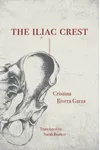
- The Iliac Crest (Original Spanish: 2002 / English translation: 2017) – A surreal, gothic mystery set on a dark, stormy coast. The story follows a doctor who is visited by two mysterious women who claim to know his deepest secret. It is a haunting exploration of gender fluidity, language, and disappearance.
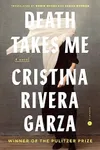
- Death Takes Me (Original Spanish: 2007 / English translation: 2025) – A subversion of the detective thriller. The story features a female detective and a protagonist named after the author herself, investigating a series of murders of castrated men where the killer leaves poems at the scenes.
- The Taiga Syndrome (Original Spanish: 2012 / English translation: 2018) – A brief, eco-horror detective novel. A female detective is hired to track down a couple who fled into a remote, wild forest known as the Taiga. It reads like a dark fairy tale mixed with an investigation into the breakdown of language.
Memoir and Non-Fiction: The Heart of Her Work
In addition to her novels, Rivera Garza's non-fiction works are critical to understanding her literary legacy. Her most prominent work in this category is:
- Liliana's Invincible Summer: A Sister's Search for Justice (Original Spanish: 2021 / English translation: 2023) – Part memoir, part true-crime investigation, and part social critique. Rivera Garza returned to Mexico City thirty years after her sister Liliana was murdered by an abusive ex-boyfriend. By opening Liliana's old boxes of letters and diaries, the author reconstructs her sister's bright youth while confronting the systemic failure of the justice system to prosecute femicide.
Anthologies and Collaborative Works
Rivera Garza frequently collaborates with other feminist writers to highlight systemic issues in Mexico and the borderlands. A key collaborative project is:
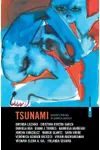
- Tsunami: Women's Voices from Mexico (Original Spanish: 2018 / English translation: 2025) – An anthology edited by Gabriela Jáuregui featuring essays, manifestos, and creative non-fiction from leading Mexican writers, including Rivera Garza. The collection addresses gender violence, Indigenous activism, and the #MeToo movement in Mexico.
What to Know Before You Start: Tone, Style, and Themes
Before diving into Rivera Garza's books, it is helpful to prepare for her unique style. Her writing is highly experimental and rarely follows a traditional linear plot. She writes with a focus on historical research, language degradation, and spatial geography, often drawing on her academic background in sociology and history.
Readers should expect themes of borders, gender fluidity, violence, and institutional neglect. In books like The Taiga Syndrome and Death Takes Me, she takes classic detective structures and turns them upside down, focusing less on solving a crime and more on how violence fractures language and relationships. The tone is poetic, raw, and at times surreal, making her books feel like puzzles that readers must piece together alongside the narrator.
Practical Reading Advice
Because all of Cristina Rivera Garza's translated books are standalones, you have complete freedom in how you structure your reading list. Here are a few paths to help you decide:
- The Acclaimed Path: Start with Liliana's Invincible Summer to experience her Pulitzer-winning documentary style. Follow it with No One Will See Me Cry to see how those same themes translate into historical fiction.
- The Noir Path: If you enjoy mystery and suspense, read The Taiga Syndrome followed by Death Takes Me. Both books subvert traditional investigative stories, focusing on female detectives navigating strange, hostile environments.
- The Chronological Development Path: Read her novels in order of their original Spanish release (1999, 2002, 2007, 2012) to trace her growth from historical realism into surrealism and meta-fictional thrillers.