




































Where to Start with Horatio Hornblower
For most readers, the biggest decision when approaching C.S. Forester's work is how to navigate the 11-book Horatio Hornblower saga. Because Forester wrote these naval adventures out of order over a span of thirty years, you have two primary options: chronological order or publication order.
The Case for Chronological Order
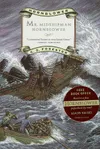
Starting with Mr. Midshipman Hornblower (published in 1950, but set first chronologically) allows you to follow Horatio's career linearly. You witness his growth from a seasick, insecure 17-year-old midshipman to an admiral in the Royal Navy. This path provides a smooth, satisfying narrative arc and is highly recommended if you prefer chronological character progression.
The Case for Publication Order
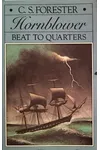
Starting with The Happy Return (also published as Beat to Quarters in the US, 1937) introduces you to Hornblower as an established, confident Captain. This is how the world first met the character. Reading in publication order lets you experience the series exactly as Forester developed it, discovering Hornblower's backstory retrospectively. One benefit of this order is that it avoids the minor continuity inconsistencies that occasionally crop up in the later-written prequel novels.
The "Bush's Eye View" Alternative
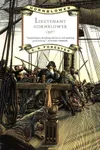
Some seasoned fans recommend starting with Lieutenant Hornblower (1952). This is the second book chronologically, but it is unique because it is the only novel in the series told from the perspective of Hornblower's lifelong friend and brother-in-arms, Lieutenant William Bush. It offers a fascinating outside perspective on Hornblower's tactical genius and personal quirks before you dive into Hornblower's own self-doubting inner monologue.
Horatio Hornblower Chronological Reading Order
This is the most popular way to read the series, tracing Hornblower's naval career from his humble beginnings in 1794 to his final years.
- Mr. Midshipman Hornblower (1950) - Chronologically first; a collection of short stories depicting Hornblower's early days as a midshipman.
- Lieutenant Hornblower (1952) - Follows Hornblower's time under the command of the paranoid Captain Sawyer, told from the perspective of Lieutenant Bush.
- Hornblower and the Hotspur (1962) - Details Hornblower's marriage and his command of the Hotspur during the blockades.
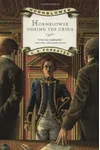
- Hornblower During the Crisis / Hornblower and the Crisis (1967) - Left unfinished at Forester's death; contains the final outline of the plot along with two short stories ("Hornblower's Charitable Offering" and "Hornblower and the Widowed Bride").
- Hornblower and the Atropos (1953) - Hornblower manages Nelson's funeral and takes command of the sloop Atropos.
- The Happy Return / Beat to Quarters (1937) - The book that started it all; Hornblower sails a frigate to the Pacific on a secret mission.
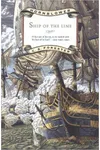
- Ship of the Line (1938) - Hornblower is given command of a ship of the line and joins the blockade of Spain.
- Flying Colours (1938) - Escaping from French captivity, Hornblower and his crew hatch a daring plan to return home.
- The Commodore / Commodore Hornblower (1945) - Hornblower is sent to the Baltic to secure alliances during Napoleon's invasion of Russia.
- Lord Hornblower (1946) - Dealing with mutineers, Hornblower helps bring about the restoration of the French monarchy.
- Admiral Hornblower in the West Indies / Hornblower in the West Indies (1957) - A collection of short stories tracking Hornblower's peaceful yet eventful assignment in the Caribbean.
Horatio Hornblower Publication Order
If you want to experience the series as it took the literary world by storm, follow this sequence:
- The Happy Return / Beat to Quarters (1937)
- Ship of the Line (1938)
- Flying Colours (1938)
- The Commodore / Commodore Hornblower (1945)
- Lord Hornblower (1946)
- Mr. Midshipman Hornblower (1950)
- Lieutenant Hornblower (1952)
- Hornblower and the Atropos (1953)
- Admiral Hornblower in the West Indies / Hornblower in the West Indies (1957)
- Hornblower and the Hotspur (1962)
- Hornblower During the Crisis / Hornblower and the Crisis (1967)
Essential Companions & Short Works
Beyond the core novels, there are essential companion pieces that round out the Hornblower experience:
- The Hornblower Companion (1964): This is Forester's official non-fiction guide. It includes detailed hand-drawn maps of Hornblower's voyages, tactical illustrations of major naval engagements, and personal essays explaining how Forester created the character.
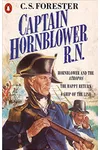
- Captain Hornblower R.N. (1965): An omnibus collection containing the original trilogy (The Happy Return, Ship of the Line, and Flying Colours).
Beyond Hornblower: Standalone Novels & Military Fiction
C.S. Forester was a prolific writer of military and historical fiction outside of his signature series. If you enjoy Hornblower, these standalones are highly recommended:
- The African Queen (1935): A WWI adventure set in German East Africa, tracking a missionary and a rough mechanic on a dangerous river journey. Famously adapted into the 1951 movie starring Humphrey Bogart and Katharine Hepburn.
- The Good Shepherd (1955): A tense, hour-by-hour account of a WWII convoy commander protecting merchant ships from U-boat wolf packs in the Atlantic. This book was adapted into the 2020 film Greyhound starring Tom Hanks, and has been republished under that title.
- The Ship (1943): Set during World War II, this novel focuses on a single day aboard the light cruiser HMS Artemis during a crucial action in the Mediterranean. It is renowned for its technical accuracy and ensemble cast.
- Rifleman Dodd / Death to the French (1932): Set during the Peninsular War, it follows a British soldier cut off behind French lines, showing his resourceful survival and guerrilla warfare tactics.
- The Gun (1933): A unique historical novel where the "protagonist" is a massive, abandoned Spanish cannon during the Peninsular War, detailing the different guerrilla groups who control it.
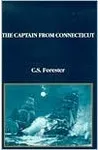
- The Captain from Connecticut (1941): Forester's foray into the War of 1812 from the American perspective, following Captain Josiah Peabody of the US Navy.
What to Know Before You Start
To get the most out of C.S. Forester's novels, keep these practical tips in mind:
- Realism over Romance: Unlike many modern historical adventures, Forester does not romanticize the Royal Navy. He presents the grueling realities of scurvy, strict discipline, the threat of mutiny, and the sheer terror of broadside cannon fire.
- Flawed Heroes: Horatio Hornblower is not a flawless superhero. He is pathologically self-critical, prone to seasickness, plagued by imposter syndrome, and frequently lonely, which makes his strategic triumphs all the more rewarding.
- No Reading Prerequisites for Standalones: You can read books like The Ship, The Good Shepherd, or The African Queen at any time. They are completely standalone and require no prior knowledge of Forester's other works.
- Naval Terminology: Forester uses authentic Age of Sail vocabulary. Don't worry if you don't know a jib from a spanker sheet right away; the context of the action usually makes the situation clear, and you'll pick up the jargon as you read.