




Where to Start Reading C.S. Friedman
C.S. Friedman is celebrated for her dark, morally complex, and intellectually ambitious speculative fiction. Because her series span different genres—ranging from gothic science-fantasy to high space opera—the best starting point depends entirely on what kind of story you want to dive into first.
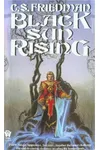
For Dark Fantasy and Sci-Fi Blend (The Recommended Choice): Start with Black Sun Rising, the first book of the Coldfire Trilogy. It is widely considered her masterpiece. This trilogy is set on a planet where human thoughts physically manifest as terrifying nightmares (called the Fae), forcing a holy warrior and a brilliant, Faustian vampire-like antihero into an uneasy alliance. It is the perfect showcase of Friedman's talent for high-stakes moral dilemmas and psychological depth.
For Epic, Hard-Edged Space Opera: Start with In Conquest Born. This standalone space opera (later followed by a sequel) chronicles the lifelong, galaxy-spanning blood feud between two genetically and culturally distinct civilizations: the telepathic, sensory-seeking Azeans and the cold, militaristic Braxins.
For Grim High Fantasy: Start with Feast of Souls, the opening volume of the Magister Trilogy. Set in a world where magic requires consuming the life force of others, it explores the dark compromise of power, gender dynamics in magical societies, and the chilling consequences of immortality.
The Coldfire Trilogy: Publication vs. Chronological Order
The Coldfire series presents the most significant chronological decision for readers. Decades after completing the original trilogy, Friedman published a prequel novel, Nightborn: Coldfire Rising (2023), and has written a companion novella, Dominion (2012).
While chronological order is a viable option for a re-read, first-time readers are strongly advised to stick to the publication order. Starting with the original trilogy preserves the mysteries of the planet Erna, the workings of the Fae, and the shocking backstory of the legendary Gerald Tarrant. Reading the prequels first spoils these core revelations and diminishes the impact of the trilogy's masterfully paced suspense.
The Coldfire Publication Order (Recommended for First-Time Readers)
- Black Sun Rising (1991)
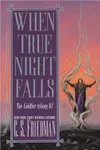
- When True Night Falls (1993)
- Crown of Shadows (1995)
- Dominion (2012) – A prequel novella focusing on Gerald Tarrant's early centuries. It is often bundled in special editions or within the physical printing of Nightborn.
- Nightborn: Coldfire Rising (2023) – A prequel novel detailing the original colonization of Erna and the disaster that forced humanity to adapt to the Fae.
The Coldfire Chronological Order
- Nightborn: Coldfire Rising (2023)
- Dominion (2012)
- Black Sun Rising (1991)
- When True Night Falls (1993)
- Crown of Shadows (1995)
The Outworlds (Alien Shores) Series
This series explores a futuristic galaxy where human space travel depends on navigating a hazardous, multi-dimensional space called the Out-space. Only those with specific, mutated mental wiring can pilot the ships. The novels function as highly standalone, cerebral science fiction thrillers dealing with identity, neurodiversity, and virtual technology.
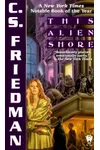
- This Alien Shore (1998) – A New York Times Notable Book exploring genetic mutations, corporate dominance, and a young woman fleeing a secret corporate facility.
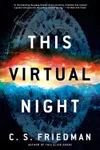
- This Virtual Night (2020) – Set in the same universe, focusing on a virtual reality designer and a pilot investigating a mysterious shipboard virus that causes madness.
The Magister Trilogy
This is a complete, dark high fantasy trilogy featuring a uniquely harsh magic system: to use magic, a practitioner (Magister) must drain the vital energy of a human "consort," effectively killing them. It is a story of political schemes, ancient threats, and a young woman who discovers she can wield magic without a consort, disrupting the male-dominated hierarchy of the Magisters.
- Feast of Souls (2007)
- Wings of Wrath (2009)
- Legacy of Kings (2011)
The Dreamwalker Chronicles
This trilogy represents Friedman’s foray into urban fantasy and younger-protagonist crossovers. The story follows a teenager who discovers that he can step into parallel realities through his dreams, drawing the attention of powerful, interdimensional entities.
- Dreamwalker (2014)
- Dreamseeker (2015)
- Dreamweaver (2016)
The Azean Empire (In Conquest Born)
This is C.S. Friedman’s debut universe. The original novel was written as a massive standalone space opera, while the sequel, published nearly two decades later, returns to the same universe to explore the long-term cultural fallout of the initial conflict.
- In Conquest Born (1987) – The epic story of two legendary enemies whose blood feud shapes the destiny of two empires.
- The Wilding (2004) – A sequel set generations later, following the descendants of the original conflict as they navigate psychic and political traps.
Standalone Novels and Tie-Ins
Aside from her main series, Friedman has written standalone speculative fiction and a unique tie-in novel for a tabletop gaming franchise.
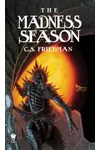
- The Madness Season (1990) – A classic science fiction standalone. It features a shape-shifting immortal protagonist who must hide his identity from conquering alien overlords.
- The Erciyes Fragments (1999) – A dark fantasy novel written as an in-universe religious scripture for White Wolf’s Vampire: The Dark Ages roleplaying game.
What to Know Before You Start
C.S. Friedman's work is famously character-driven, featuring complex antiheroes who frequently make morally questionable decisions. She rarely writes straightforward "good vs. evil" dynamics. Her worlds are highly logical; even when writing fantasy, the magic systems (like the Fae in Coldfire or the life-force magic in the Magister Trilogy) operate with strict rules, limitations, and catastrophic costs. While there have been reports of television options for the Coldfire Trilogy, the books remain the definitive way to experience her legendary world-building.