










How to Read Cynthia Harrod-Eagles: Recommended Starting Points
Cynthia Harrod-Eagles is a master of two completely different genres: the sweeping, multi-generational historical saga and the literate, character-driven police procedural. Because her series are distinct in tone, setting, and style, your best starting point depends entirely on what type of reader you are:
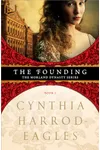
- For History Lovers: Start with The Founding (1980), the opening volume of the massive 36-book Morland Dynasty series. It is best to read this series in strict chronological order to appreciate the development of the family and the historical background.
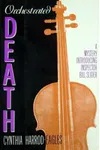
- For Mystery Fans: Start with Orchestrated Death (1991), the first book in the Bill Slider series. While the mysteries are self-contained and can be read as standalones, reading them in order allows you to follow the complex personal lives and relationship dynamics of Slider and his team.
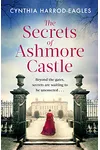
- For Fans of Downton Abbey-style Drama: Start with The Secrets of Ashmore Castle (2021). This Edwardian-era family saga is smaller in scale than the Morland Dynasty and focuses on the secrets of a grand estate.
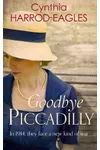
- For WWI Enthusiasts: Start with Goodbye Piccadilly (2014), the beginning of the six-part War at Home series, which chronicles a family's struggles during the First World War.
The Morland Dynasty: A Chronological Journey Through History
The Morland Dynasty is Cynthia Harrod-Eagles's magnum opus. Originally planned as a twelve-volume series, it proved so popular that it eventually expanded to 36 books, concluding in 2024 with The Gathering Storm. The saga follows the Morland family of York from 1434 during the Wars of the Roses all the way to the mid-20th century. Every book is meticulously researched and blends real historical figures and events with fictional family drama.
Because the story flows continuously through generations, you should read these in publication order, which also matches the chronological history of the family:
- The Founding (1980) – Set during the Wars of the Roses
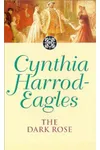
- The Dark Rose (1981) – The Tudor period and Henry VIII
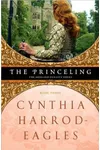
- The Princeling / The Distant Wood (1981) – The Elizabethan era
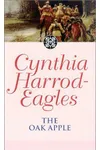
- The Oak Apple (1982) – The English Civil War
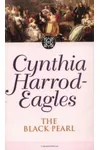
- The Black Pearl (1982) – The Restoration era
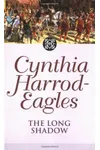
- The Long Shadow (1983) – The late 17th century and William of Orange
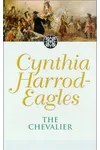
- The Chevalier (1984) – The Jacobite rebellion
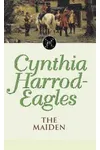
- The Maiden (1985) – The mid-18th century
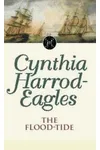
- The Flood-Tide (1986) – The American War of Independence
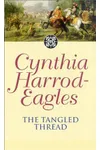
- The Tangled Thread (1987) – The late 18th century
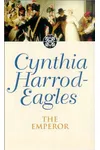
- The Emperor (1988) – The French Revolution and Napoleon
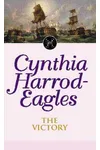
- The Victory (1989) – The Battle of Waterloo
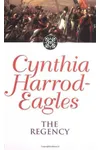
- The Regency (1990) – The Regency period
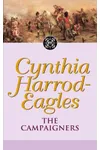
- The Campaigners (1991) – The Wellington campaigns
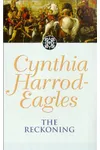
- The Reckoning (1993) – The early Victorian era
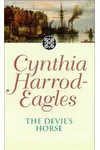
- The Devil's Horse (1994) – The mid-19th century and railways
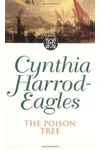
- The Poison Tree (1995) – The late 19th century
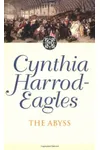
- The Abyss (1996) – The Edwardian era
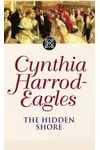
- The Hidden Shore (1996) – The lead-up to the Great War
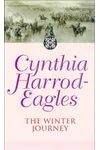
- The Winter Journey (1997) – World War I
- The Outcast (1999) – The aftermath of the Great War
- The Mirage (2000) – The Roaring Twenties
- The Cause (2001) – The Great Depression
- The Homecoming (2002) – The mid-1930s
- The Question (2002) – The build-up to World War II
- The Dream Kingdom (2003) – World War II begins
- The Restless Sea (2004) – World War II continued
- The White Road (2006) – The post-war reconstruction
- The Burning Roses (2006) – The late 1940s
- The Measure of Days (2007) – The early 1950s
- The Foreign Field (2009) – The mid-1950s
- The Fallen Kings (2009) – The Suez Crisis
- The Dancing Years (2010) – The late 1950s
- The Winding Road (2011) – The dawn of the 1960s
- The Phoenix (2013) – The mid-1960s
- The Gathering Storm (2024) – The late 1960s and final resolution
The Bill Slider Mysteries: Literate London Crime
For readers who prefer contemporary mystery, the Bill Slider series is a brilliant alternative. Detective Inspector (later DCI) Bill Slider operates in Shepherd's Bush, London. The series is celebrated for its rich, witty prose, deep characterization, and the ongoing relationship drama between Slider, musician Joanna, and his police colleagues. While the individual investigations are resolved in each book, Slider's personal life develops continuously, making sequential reading highly rewarding.
Note that several early books were published under different names in the US and UK markets. The updated list of books in this series includes:
- Orchestrated Death (1991)
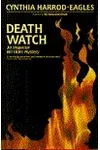
- Death Watch (1992)
- Necrochip (1993) – Also published as Death to Go
- Dead End (1994) – Also published as Grave Music
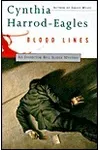
- Blood Lines (1996)
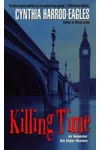
- Killing Time (1996)
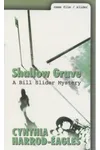
- Shallow Grave (1998)
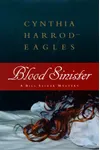
- Blood Sinister (1999)
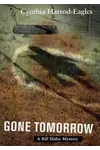
- Gone Tomorrow (2001)
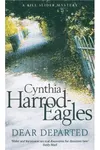
- Dear Departed (2005)
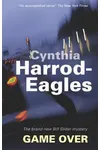
- Game Over (2008)
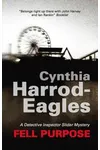
- Fell Purpose (2009)
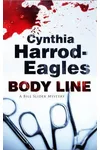
- Body Line (2011)
- Kill My Darling (2011)
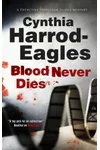
- Blood Never Dies (2012)
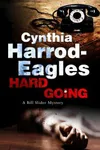
- Hard Going (2014)
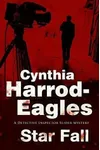
- Star Fall (2015)
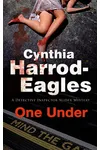
- One Under (2015)
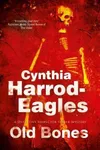
- Old Bones (2016)
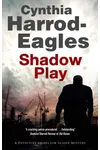
- Shadow Play (2017)
- Headlong (2019)
- Cruel as the Grave (2021)
- Dying Fall (2022)
- Before I Sleep (2023)
- Easeful Death (2025)
- Deadly Force (2026)
Ashmore Castle & Other Historical Sagas
In addition to her primary sagas, Harrod-Eagles has written several shorter series that showcase her love for period drama:
Ashmore Castle Series
This series moves away from the multi-century scope of the Morland Dynasty, focusing instead on the family dynamics and secrets surrounding the Earls of Tallisker at Ashmore Castle during the early 20th century. Read them in order:
- The Secrets of Ashmore Castle (2021)
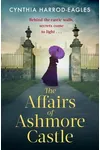
- The Affairs of Ashmore Castle (2023)
- The Mistress of Ashmore Castle (2023)
- The Fortunes of Ashmore Castle (2025)
- Rivals at Ashmore Castle (2026)
War at Home Series
A poignant six-book chronicle that spans the duration of the First World War, focusing on the Hunter family of North London and how the conflict changes their lives on the home front:
- Goodbye Piccadilly (2014)
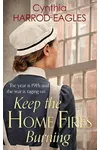
- Keep the Home Fires Burning (2015)
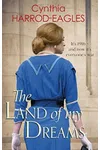
- The Land of My Dreams (2017)
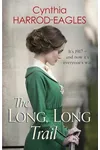
- The Long, Long Trail (2017)
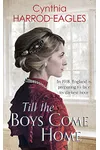
- Till the Boys Come Home (2018)
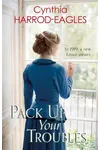
- Pack Up Your Troubles (2019)
The Kirov Trilogy
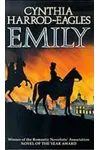
A historical romance trilogy set in 19th-century Russia, focusing on the lives of three different women. Emily won the Romantic Novelists' Association Award in 1993. It should be read in this sequence:
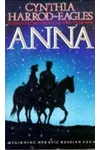
- Anna (1990)
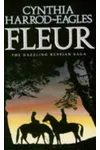
- Fleur (1991)
- Emily (1993)
Pseudonyms and Standalone Works
Cynthia Harrod-Eagles has also published romantic and standalone fiction under different pen names. Readers looking to explore her complete bibliography should keep an eye out for titles published under the names Emma Woodhouse (mostly historical romances from the late 1970s and children's books) and Elizabeth Bennett (romantic suspense from the early 1980s).