









Where to Start Reading Dan Simmons
Because Dan Simmons was a master of multiple genres—ranging from hard science fiction to historical horror, epic fantasy, and hard-boiled detective noir—there is no single "perfect" entry point. Instead, the best place to start depends entirely on your preferred genre:
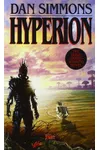
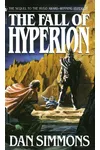
- For Science Fiction Fans: Start with Hyperion (1989). It is widely regarded as his magnum opus and one of the finest space operas ever written. While it stands on its own, it ends on a cliffhanger, so you will want to read its direct sequel, The Fall of Hyperion (1990), immediately after.
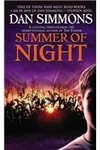
- For Horror and Stephen King Fans: Start with Summer of Night (1991). This coming-of-age horror novel follows a group of schoolboys in a small Midwestern town fighting an ancient evil. It is frequently compared to Stephen King's It and serves as the gateway to his loosely connected "Seasons of Horror" universe.
- For Historical Fiction and Survival Horror Fans: Start with The Terror (2007). This massive, gripping novel re-imagines the doomed Franklin expedition to find the Northwest Passage, blending historical accuracy with chilling supernatural dread. It also inspired a highly acclaimed AMC television adaptation.
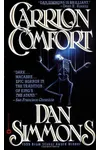
- For Thriller and Dark Fantasy Fans: Start with Carrion Comfort (1989). A tense, sprawling thriller about "mind vampires" who use telepathy to control human history, it is a masterclass in psychological dread.
The Hyperion Cantos Reading Order
The Hyperion Cantos is a landmark four-book science fiction saga. It is highly recommended to read these in strict publication order, as they follow a linear progression of the universe's timeline and lore. The series is divided into two distinct duologies set hundreds of years apart.
The Hyperion Duology
- Hyperion (1989): Structured like Chaucer's Canterbury Tales, this book follows seven pilgrims traveling to the Time Tombs on the planet Hyperion to meet the legendary, metallic Shrike.
- The Fall of Hyperion (1990): Resolves the massive cliffhanger of the first book, shifting to a more traditional, wide-scale narrative that details the collapse of the interstellar Hegemony.
The Endymion Duology
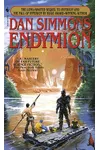
- Endymion (1996): Set roughly 272 years after the fall of the Hegemony, this book follows Raul Endymion as he is tasked with protecting Aenea, a young girl destined to become a messianic figure.
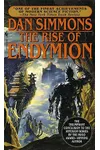
- The Rise of Endymion (1997): The final full-length novel in the series, wrapping up the philosophical, spiritual, and cosmic conflicts of the entire universe.
Companion Stories and Novellas
- Remembering Siri (1983): Originally published as a standalone short story, this was later integrated directly into the first Hyperion novel as "The Consul's Tale." You do not need to seek it out separately.
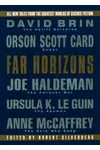
- Orphans of the Helix (1999): A 46-page novella first published in the anthology Far Horizons. It takes place chronologically after the events of The Rise of Endymion and serves as the true epilogue to the Cantos, following a colonizing spinship in the post-Pax galaxy.
- The Death of a Centaur (1990): A short story that acts as an allegorical seed for the series, written during the early stages of the universe's conception.
The Seasons of Horror (Elm Haven) Universe
Also known as the Elm Haven series, these books are not a traditional, tightly bound series. Instead, they form a shared universe connected by recurring characters whom we meet at different stages of their lives. Reading them in order offers the best character development.
- Summer of Night (1991): The cornerstone of the universe, introducing the children of Elm Haven, Illinois, during the summer of 1960.
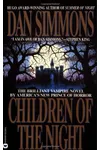
- Children of the Night (1992): A vampire-thriller set in Romania that follows Mike O'Rourke—one of the boys from the first book, now grown up and ordained as a Catholic priest.
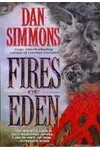
- Fires of Eden (1994): A supernatural horror novel set in Hawaii. While mostly a standalone, it features Cordie Cooke (a major character from Summer of Night) as an adult protagonist.
- A Winter Haunting (2002): The most direct sequel to the original novel, following Dale Stewart as an adult returning to Elm Haven to write a book, only to be haunted by the ghosts of his past.
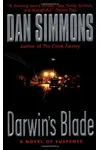
- Darwin's Blade (2000): A standalone conspiracy thriller that includes a minor Easter egg connection: Dale Stewart's younger brother, Lawrence, appears briefly as an insurance investigator.
The Joe Kurtz Crime Trilogy
If you prefer hard-boiled, neo-noir detective stories, Simmons wrote a fast-paced crime trilogy featuring private investigator Joe Kurtz. These should be read in publication order:
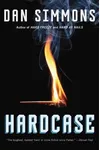
- Hardcase (2001)
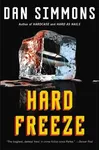
- Hard Freeze (2002)
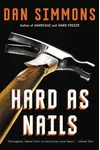
- Hard as Nails (2003)
The Ilium & Olympos Duology
Simmons reimagined Homer's Iliad in a far-future setting featuring quantum-teleporting "post-humans" playing the roles of Greek gods on Mars. This epic must be read in order:
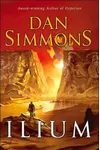
- Ilium (2003)
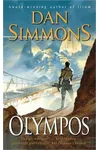
- Olympos (2005)
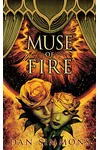
Note that while his 2008 novella Muse of Fire shares thematic links, robotic Shakespearean scholars, and literary DNA with this duology, it is set in a completely separate universe.
Standalone Historical Novels and Mysteries
Simmons wrote several massive standalone novels that blend historical research, real-life figures, and speculative fiction. These can be read in any order:
- Song of Kali (1985): Simmons' debut novel, set in Calcutta, which won the World Fantasy Award.
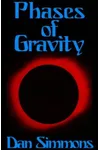
- Phases of Gravity (1989): A character-focused novel about a former Apollo astronaut searching for meaning.
- The Crook Factory (1999): A historical espionage thriller featuring Ernest Hemingway conducting counter-espionage in Cuba during WWII.
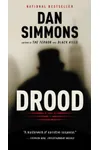
- Drood (2009): A dark, gothic mystery narrated by Wilkie Collins, detailing his friendship and rivalry with Charles Dickens during Dickens' final, unfinished work.
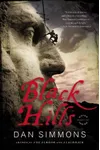
- Black Hills (2010): A historical fantasy following a Lakota warrior who is haunted by the spirit of General Custer.
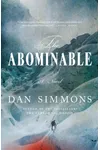
- The Abominable (2013): A historical adventure and thriller centering on a 1924 expedition climbing Mount Everest.
- The Fifth Heart (2015): A historical mystery featuring Sherlock Holmes teaming up with American author Henry James in late 19th-century America.
What to Know About Omega Canyon
Readers researching Dan Simmons' bibliography will frequently encounter listings for a novel titled Omega Canyon, with some databases incorrectly listing a publication date around 2020. This book was a long-delayed historical thriller about the Manhattan Project. Due to a severe head injury Simmons suffered in 2014, the book was repeatedly postponed. Following his death in early 2026, the book remains officially unpublished and unreleased.