











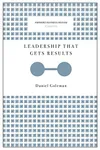









The Recommended Reading Path
Daniel Goleman has published dozens of books spanning decades, but his core contribution to the world is the concept of Emotional Intelligence (EI or EQ). For readers wanting to dive into his work, reading in strict publication order is not necessary. Instead, we highly recommend following this thematic progression to build your understanding step-by-step:
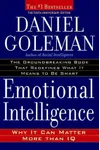
- Start Here: Emotional Intelligence: Why It Can Matter More Than IQ (1995). This is Goleman's seminal masterpiece. It outlines the core scientific framework, the neurological foundations of emotions, and the five pillars of EQ: self-awareness, self-regulation, motivation, empathy, and social skills.
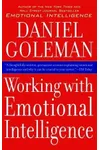
- Step Two: Working with Emotional Intelligence (1998). Once you understand the personal fundamentals, this book translates those concepts directly into professional success, explaining why EQ is the primary driver of star performance in the workplace.
- Step Three: Social Intelligence: The New Science of Human Relationships (2006). This shifts the lens from personal emotional management to our interpersonal wiring. It explores how our brains interact with others and the biology of human connection.
- Step Four: Optimal: How to Sustain Personal and Organizational Excellence Every Day (2024). Written with Cary Cherniss, this serves as the modern culmination of Goleman's work. It provides practical tactics to sustain high performance, avoid burnout, and achieve an optimal state of engagement using EQ resources.
The Leadership Branch
If your primary interest is management, team-building, or corporate culture, you can transition directly from the core books to Goleman's leadership guides. The essential read here is Primal Leadership: Realizing the Power of Emotional Intelligence (2002), co-authored with Richard Boyatzis and Annie McKee. This book popularizes the concept of resonant leadership and explains how a leader's emotional state influences an entire organization.
The "Building Blocks of Emotional Intelligence" Series
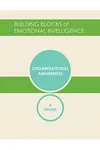
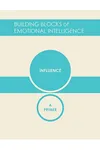
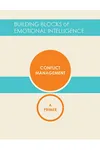
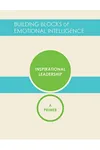
For professionals, coaches, and educators seeking highly targeted reading, Goleman co-created the Building Blocks of Emotional Intelligence series. This is a collection of 12 concise primers, each focusing on one of the specific competencies within his Emotional and Social Intelligence Leadership Competency Model. They are designed to be quick, practical reads that can be picked up in any order depending on your development goals:
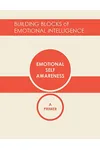
- Emotional Self-Awareness (2017)
- Emotional Self-Control (2017)
- Adaptability (2017)
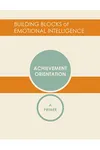
- Achievement Orientation (2017)
- Positive Outlook (2017)
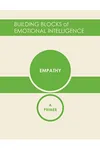
- Empathy (2017)
- Organizational Awareness (2017)
- Influence (2017)
- Coach and Mentor (2017)
- Conflict Management (2017)
- Teamwork (2017)
- Inspirational Leadership (2017)
Mindfulness, Meditation, and Key Collaborations
Long before writing about EQ, Goleman traveled extensively in India, studying Eastern psychology and meditation. This remains a major thread in his bibliography. If you want to explore his writings on mindfulness and mental training, consider these books:
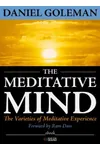
- The Meditative Mind (1977) – An early overview of different meditative paths and experiences.
- Altered Traits: Science Reveals How Meditation Changes Your Mind, Brain, and Body (2017) – Co-authored with neuroscientist Richard Davidson, this book offers a rigorous, scientific look at the long-term benefits of meditation, separating myth from hard data.
- Why We Meditate: 7 Simple Practices for a Calmer Mind (2022) – Co-authored with Tsoknyi Rinpoche, this is a highly accessible, practice-oriented guide blending neuroscience with Tibetan Buddhist teachings.
Dialogues with the Dalai Lama
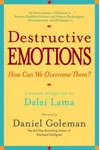
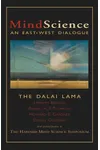
Goleman has also edited and co-authored several books capturing deep dialogues between Western scientists and the Dalai Lama under the Mind and Life Institute. Key works in this category include Destructive Emotions (2000), A Force for Good (2015), and Ecology, Ethics, and Interdependence (2018).
Practical Reader Advice
Are they standalone? Yes, every single book in Goleman's catalog is written to stand on its own. You do not need to read his earlier works to understand his newer releases like Optimal or Focus.
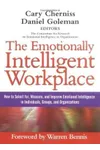
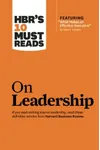
Caveats and Formats: Goleman's catalog includes many companion publications, anthologies, and condensed versions. For example, The Emotionally Intelligent Leader (2019) compiles several of his popular Harvard Business Review articles into a single short volume. Be aware that books like HBR's 10 Must Reads on Emotional Intelligence are curated anthologies containing Goleman's key essays alongside other business thinkers rather than entirely new books.