
Recommended Reading Path: Where to Start
Daniel Gumbiner has published two highly acclaimed standalone novels. Because they are not part of an ongoing series and do not share characters or direct storylines, you can read them in any order. However, depending on your interests, there are two distinct entry points:
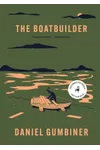
- Start with The Boatbuilder (2018) if you prefer intimate, character-driven stories centered on personal healing, addiction recovery, and the therapeutic power of hands-on craftsmanship. It is a quiet, meditative novel that introduces Gumbiner's signature style.
- Start with Fire in the Canyon (2023) if you are drawn to environmental fiction, family dramas, and stories addressing the immediate reality of climate change and wildfires. It is a slightly broader, multi-generational story with a strong focus on agricultural life and community resilience.
Complete Publication Order of Books
If you prefer to follow the author's developmental journey, reading his books in order of release is a straightforward and rewarding path:
Standalone Novels
- The Boatbuilder (2018) — Gumbiner's debut novel, set in a fictional coastal town in Northern California.
- Fire in the Canyon (2023) — His sophomore novel, set in the Sierra foothills of California.
Editorial Work and Anthologies
Readers searching online databases may occasionally see Daniel Gumbiner's name linked to the anthology 9 Stories on the Magic of Cities (2018). It is important to note that Gumbiner did not write this collection. He is primarily known for his editorial leadership at the literary magazine The Believer and his work with McSweeney's, and these database listings are usually the result of metadata associations with his editing projects rather than standalone authorial contributions.
Deep Dive: Daniel Gumbiner's Novels
The Boatbuilder (2018)
Longlisted for the 2018 National Book Award and a finalist for the California Book Awards, Gumbiner's debut novel follows Eli "Berg" Koenigsberg. After sustaining a traumatic brain injury that leaves him with chronic pain, Berg becomes addicted to prescription opioids. In search of a fresh start, he wanders into Talinas, a fictional coastal town in Northern California. There, he begins an apprenticeship under Alejandro, a reclusive, master boatbuilder. Through the daily rhythms of manual labor, the tactile process of shaping wood, and the support of a tight-knit local community, Berg begins the slow, fragile process of rebuilding his life. The novel has been widely praised for its clean, gleaming prose and its empathetic, non-judgmental portrayal of recovery.
Fire in the Canyon (2023)
Named a Best Book of the Year by The New Yorker and a finalist for the California Book Awards, Gumbiner's sophomore novel shifts its gaze to the Sierra foothills. The story centers on the Hecht family: Benjamin, an organic grape grower; Helen, his wife; and Yoel, their adult son. When a catastrophic wildfire sweeps through their community, the family must navigate the immediate trauma of evacuation, the destruction of their land, and the long-term economic and psychological toll of farming on the front lines of the climate crisis. Hailed by critics as a modern-day Steinbeckian novel, it blends a warm, detailed portrait of agricultural work with a clear-eyed look at how ecological collapse strains domestic relationships and tests community bonds.
What to Know Before You Start
Before diving into Gumbiner's work, it helps to understand a few defining characteristics of his storytelling:
- The California Setting: California is never just a backdrop in Gumbiner's novels; it functions as a central character. Whether detailing the misty coastlines of Marin County or the dry, sun-baked slopes of the Sierra foothills, his writing is deeply grounded in the geography, flora, and climate of the Golden State.
- The Dignity of Labor: Gumbiner writes extensively about work. In The Boatbuilder, it is the precise, traditional craft of woodworking. In Fire in the Canyon, it is the exhausting, hopeful cycle of viticulture and farming. His characters find purpose, connection, and distraction through manual labor.
- Subtle, Quiet Realism: Rather than relying on high-octane plots, Gumbiner focuses on quiet, slice-of-life realism. His books explore how regular people handle heavy struggles—like addiction or environmental collapse—in ordinary, everyday ways.