
How to Read Danielle Evans’ Books: Recommended Starting Path
Because Danielle Evans’ body of work is comprised of standalone short story collections rather than a serialized novel narrative, there is no strict or complex chronological reading order. Readers can approach her bibliography in a few different ways. Here is our recommended path:
1. The Chronological Publication Path (Recommended)
If you want to witness the growth and evolution of Evans' prose, theme, and storytelling maturity, we recommend reading her collections in order of publication:
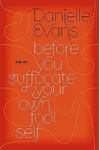
- Before You Suffocate Your Own Fool Self (2010) – Start here to experience her celebrated, energy-filled debut that captures youth, race, class, and identity in contemporary America.
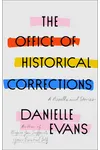
- The Office of Historical Corrections (2020) – Move here next for a deeply mature, satirical, and emotionally complex exploration of history, grief, and truth, anchored by a stunning title novella.
2. The "Best-First" Shortcut
If you prefer to start with a writer’s most widely acclaimed and mature work to see if their style fits your taste, begin with the title novella of The Office of Historical Corrections. The novella is highly accessible and showcases Evans at the absolute height of her satirical and emotional powers. If you fall in love with her voice, you can then backtrack to her debut collection, Before You Suffocate Your Own Fool Self, to enjoy her earlier short fiction.
Danielle Evans Books in Publication Order
For readers who like to keep their bookshelves in chronological order, here is the complete list of Danielle Evans’ standalone collections by their release dates:
- Before You Suffocate Your Own Fool Self (2010)
- The Office of Historical Corrections: A Novella and Stories (2020)
Deep Dive: The Collections and Standout Stories
Before You Suffocate Your Own Fool Self (2010)
Published when Evans was in her late twenties, this debut collection established her as a major new voice in American literature. It contains eight distinct stories focusing on young African-American and mixed-race characters navigating class, adolescence, and family dynamics in post-Civil Rights America. Standout stories in this collection include:
- "Virgins" – Originally published in The Paris Review when Evans was just 23, this story details the complexities of teenage female friendship, sexuality, and peer pressure.
- "Harvest" – Follows a college student dealing with an unplanned pregnancy and the transactional nature of egg donation to pay off student debt.
- "Jellyfish" – A poignant look at a father attempting to navigate the evolving boundaries and misunderstandings in his relationship with his adult daughter.
- "Snakes" – A story about a biracial girl spending the summer with her grandmother, confronting family tensions and racial realities.
- "Robert E. Lee is Dead" – Follows a high school cheerleader planning a destructive prank that reveals deep-seated anxieties about success and belonging.
This collection won the PEN/Robert W. Bingham Prize, the Hurston/Wright Legacy Award, and the Paterson Prize, while also earning Evans a spot on the National Book Foundation's "5 Under 35" list.
The Office of Historical Corrections (2020)
Released a decade after her debut, this collection consists of six short stories and one titular novella. The book delves into how history—both public and private—shapes our identities and how we choose to remember (or correct) the past. Standout pieces include:
- "Richard of York Gave Battle in Vain" – A story centered around a wedding guest navigating her own complicated history alongside the wedding party's dramas (also anthologized in The Best American Short Stories 2017).
- "Boys Go to Jupiter" – A college student gets caught in a viral controversy involving a Confederate flag bikini, illustrating how youthful mistakes and stubbornness can collide with historical trauma and public outrage.
- "The Office of Historical Corrections" (Novella) – A satirical and poignant novella featuring a federal agency whose employees are tasked with correcting historical inaccuracies in public life, which quickly escalates into a mystery involving a racial historical crime in Wisconsin.
The collection was a finalist for the PEN/Faulkner Award and The Story Prize, and won the Joyce Carol Oates Prize.
Anthologies and Notable Individual Stories
If you have finished her two main collections and are looking for more of Danielle Evans’ writing, she has contributed individual stories and introductions to several notable anthologies and literary journals. These can be read in any order:
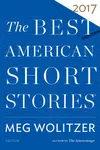
- The Best American Short Stories 2017 – Features her story "Richard of York Gave Battle in Vain."
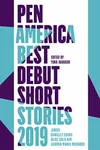
- PEN America Best Debut Short Stories 2019 – Evans provided the introduction or participated as a judge/contributor.
- Other Anthologies – Her stories have also appeared in The Best American Short Stories editions for 2008, 2010, and 2018, as well as journals like Callaloo (with her story "Alcatraz") and Columbia: A Journal of Art and Literature (featuring "Travel Tips for Young Women").
What to Know Before You Start
Before diving into Evans' bibliography, keep the following in mind to make the most of your reading experience:
- Character-Driven Realism: Evans writes realistic, character-driven stories with a sharp focus on dialogue and interpersonal relationships. Don't expect high-concept fantasy, though the novella The Office of Historical Corrections uses a clever, slightly heightened satirical premise.
- Standalone Nature: Every single story is entirely standalone. You do not need to worry about missing plot points if you read them out of order or skip around within the collections.
- Themes of Identity and Race: Her stories deal heavily with the nuances of race, class, and gender in contemporary America. She balances heavy themes with sharp wit, dark humor, and deep empathy.