

Where to Start with Dav Pilkey
Dav Pilkey's books have hooked millions of young readers with their blend of high-energy illustrations, flip-o-rama action, and meta-humor. But with dozens of books spanning multiple interconnected series, deciding where to dive in can be tricky. Most readers will want to start with one of his two flagship series: Captain Underpants or Dog Man. If you prefer classic illustrated chapter books with comic elements, start with Captain Underpants. If you love full-color graphic novels, Dog Man is the ideal entry point. Younger readers can also begin with his simpler early-reader series like Dragon or Big Dog and Little Dog before transitioning to his graphic novels.
The Captain Underpants Series in Order
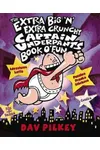
The core Captain Underpants series follows the adventures of George Beard and Harold Hutchins, two fourth-graders who accidentally hypnotize their principal, Mr. Krupp, into becoming their comic book creation. While many books are relatively standalone gag-driven stories, they do build on each other, meaning publication order is the best way to read them:
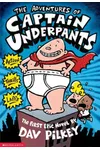
- The Adventures of Captain Underpants (1997)
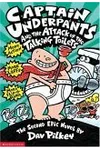
- Captain Underpants and the Attack of the Talking Toilets (1999)
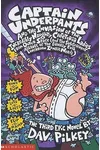
- Captain Underpants and the Invasion of the Incredibly Naughty Cafeteria Ladies from Outer Space (1999)
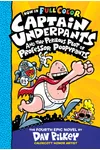
- Captain Underpants and the Perilous Plot of Professor Poopypants (2000)
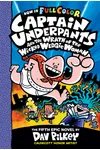
- Captain Underpants and the Wrath of the Wicked Wedgie Woman (2001)
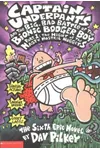
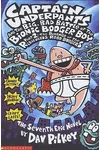
- Captain Underpants and the Big, Bad Battle of the Bionic Booger Boy, Part 1: The Night of the Nasty Nostril Pickets (2003)
- Captain Underpants and the Big, Bad Battle of the Bionic Booger Boy, Part 2: The Revenge of the Ridiculous Robo-Boogers (2003)
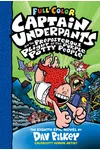
- Captain Underpants and the Preposterous Plight of the Purple Potty People (2006)
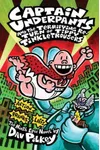
- Captain Underpants and the Terrifying Return of Tippy Tinkletrousers (2012)
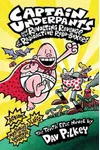
- Captain Underpants and the Revolting Revenge of the Radioactive Robo-Boxers (2013)
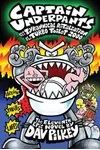
- Captain Underpants and the Tyrannical Retaliation of the Turbo Toilet 2000 (2014)
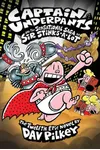
- Captain Underpants and the Sensational Saga of Sir Stinks-A-Lot (2015)
The George and Harold Spin-Offs
In the lore of the series, George and Harold are the fictional creators of several spin-off books. These can technically be read at any point, but reading them in their publication slots matches the timeline of when they are introduced in the main series:
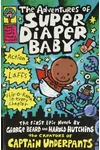
- The Adventures of Super Diaper Baby (2002) - Read this after Captain Underpants Book 5.
- The Adventures of Ook and Gluk: Kung-Fu Cavemen from the Future (2010) - Read this after Captain Underpants Book 8.
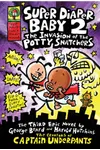
- Super Diaper Baby 2: The Invasion of the Potty Snatchers (2011) - Read this after Ook and Gluk.
The Dog Man & Cat Kid Universe
Originally introduced as another comic book created by George and Harold, Dog Man has spun off into Dav Pilkey's most popular graphic novel series. Unlike Captain Underpants, Dog Man features a continuous narrative with character growth, relationships, and recurring redemptive arcs (especially for Petey the Cat). You should read these strictly in publication order:
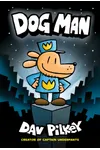
- Dog Man (2016)
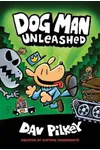
- Dog Man Unleashed (2016)
- A Tale of Two Kitties (2017)
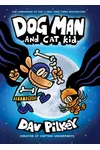
- Dog Man and Cat Kid (2017)
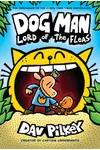
- Lord of the Fleas (2018)
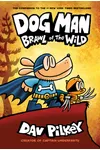
- Brawl of the Wild (2018)
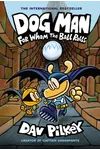
- For Whom the Ball Rolls (2019)
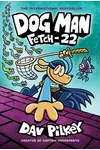
- Fetch-22 (2019)
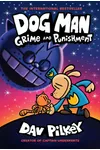
- Grime and Punishment (2020)
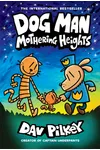
- Mothering Heights (2021)
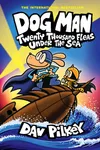
- Twenty Thousand Fleas Under the Sea (2023)
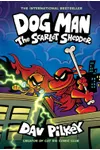
- The Scarlet Shedder (2024)
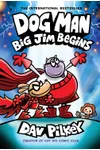
- Big Jim Begins (2024)
- Big Jim Believes (2025)
Cat Kid Comic Club Spin-off Series
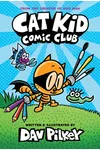
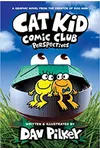
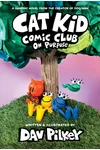
A direct spin-off of the Dog Man series, Cat Kid Comic Club focuses on Li'l Petey, Flippy, and Molly teaching a group of baby frogs how to make their own comics. Read this series after finishing Dog Man: Grime and Punishment (Book 9) to maintain character continuity:
- Cat Kid Comic Club (2020)
- Cat Kid Comic Club: Perspectives (2021)
- Cat Kid Comic Club: On Purpose (2022)
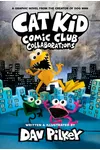
- Cat Kid Comic Club: Collaborations (2022)
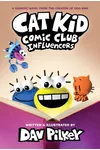
- Cat Kid Comic Club: Influencers (2023)
Other Notable Dav Pilkey Series
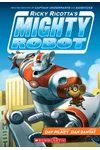
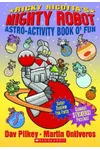
Ricky Ricotta's Mighty Robot
This sci-fi adventure series features a lonely mouse named Ricky Ricotta who befriends a giant flying robot. They team up to save the solar system from various alien invaders. This series is perfect for readers transitioning into chapter books:
- Ricky Ricotta's Mighty Robot (2000)
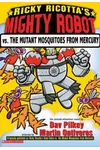
- Ricky Ricotta's Mighty Robot vs. the Mutant Mosquitoes from Mercury (2000)
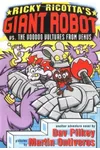
- Ricky Ricotta's Mighty Robot vs. the Voodoo Vultures from Venus (2001)
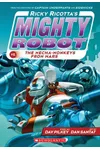
- Ricky Ricotta's Mighty Robot vs. the Mecha-Monkeys from Mars (2002)
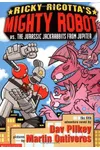
- Ricky Ricotta's Mighty Robot vs. the Jurassic Jackrabbits from Jupiter (2002)
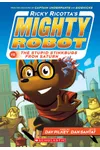
- Ricky Ricotta's Mighty Robot vs. The Stupid Stinkbugs from Saturn (2002)
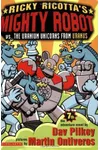
- Ricky Ricotta's Mighty Robot vs. the Uranium Unicorns from Uranus (2005)
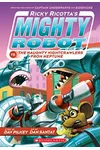
- Ricky Ricotta's Mighty Robot vs. The Naughty Nightcrawlers From Neptune (2015)
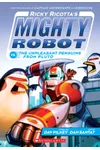
- Ricky Ricotta's Mighty Robot vs. The Unpleasant Penguins from Pluto (2016)
Dragon Tales
A series of sweet, funny, and simple early-reader books following a lovable, blue dragon who learns about the world:
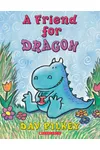
- A Friend For Dragon (1991)
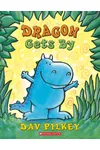
- Dragon Gets By (1991)
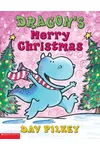
- Dragon's Merry Christmas (1991)
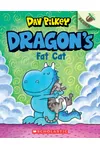
- Dragon's Fat Cat (1992)
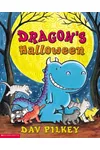
- Dragon's Halloween (1993)
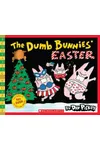
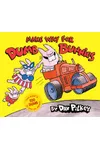
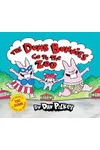
The Dumb Bunnies
Writing under the pseudonym Sue Denim (a pun on pseudonym), Pilkey created these silly, absurdist stories about a family of rabbits who do everything backwards:
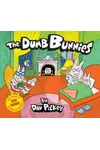
- The Dumb Bunnies (1994)
- The Dumb Bunnies' Easter (1995)
- Make Way for Dumb Bunnies (1996)
- The Dumb Bunnies Go To The Zoo (1997)
Big Dog and Little Dog
Very simple books aimed at toddlers and preschoolers learning basic word associations through the antics of two canine friends:
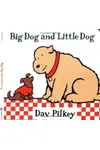
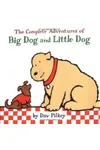
- Big Dog and Little Dog (1997)
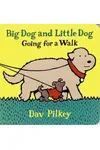
- Big Dog and Little Dog Going for a Walk (1997)
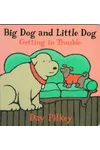
- Big Dog and Little Dog Getting in Trouble (1997)
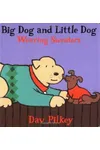
- Big Dog and Little Dog Wearing Sweaters (1998)
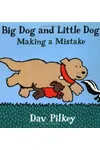
- Big Dog and Little Dog Making a Mistake (1999)
What to Know Before You Start
Dav Pilkey's signature comic style has a few unique elements you should prepare for. First, the Flip-O-Rama animations are interactive pages where readers flip back and forth to create the illusion of movement. Second, the books are designed to be accessible, especially for kids with dyslexia or ADHD, matching Pilkey's own childhood struggles. The spelling mistakes and hand-drawn letters in the George and Harold titles are intentional, reflecting the perspective of fourth-grade comic book artists. Finally, while most books work as standalones, reading them in order lets children appreciate the running jokes, character growth, and structural transitions from simple comics to full-color graphic novels.