

How to Read David Finkel’s Books
David Finkel is a Pulitzer Prize-winning journalist and MacArthur Fellow whose immersive, deeply reported narrative nonfiction has defined a generation's understanding of the human cost of war. Rather than writing dry history books, Finkel embeds himself in the lives of his subjects, following real people over decades. His principal works form a powerful, thematic trilogy tracking the soldiers of the U.S. Army's 2nd Battalion, 16th Infantry Regiment (the 2-16) from the battlefields of Iraq to the homefront, and finally to the fractured landscapes of contemporary America.
To fully appreciate the narrative arc, character development, and shifting focus of these real-life accounts, readers should follow the trilogy in chronological and publication order.
The Recommended Reading Order
- The Good Soldiers (2009) – The beginning of the journey, following the 2-16 Infantry Battalion during the 2007 “surge” in Baghdad, Iraq.
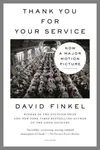
- Thank You for Your Service (2013) – The immediate aftermath, tracking the soldiers as they return home to face the psychological scars of combat, focusing on PTSD and reintegration.
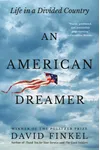
- An American Dreamer: Life in a Divided Country (2024) – The long-term perspective, focusing on one of the veterans from the first book as he navigates the social and political polarization of modern America over a fourteen-year period.
Detailed Breakdown of the Trilogy
1. The Good Soldiers (2009)
In April 2007, Finkel embedded with the 2-16 Infantry Battalion as part of the troop surge in Iraq. Led by Lieutenant Colonel Ralph Kauzlarich, the battalion was tasked with stabilizing a highly violent area in eastern Baghdad. Finkel spent months on the ground, witnessing the daily threat of improvised explosive devices (IEDs), the grief of losing comrades, and the psychological toll of sustained combat.
The book introduces readers to key figures who reappear in Finkel's later works, including Sergeant Adam Schumann and then-Captain Brent Cummings. Finkel's prose is stark, clinical, and completely devoid of political commentary, allowing the raw experiences of the soldiers to speak for themselves. It won the J. Anthony Lukas Book Prize and was named one of the best books of the year by numerous publications.
2. Thank You for Your Service (2013)
While The Good Soldiers is a book about war, Thank You for Your Service is a book about the war that soldiers bring home. Finkel shifts his focus to the homefront, chronicling the post-deployment lives of the men of the 2-16 and their families. The central figure of this book is Adam Schumann, a soldier who was sent home early from Iraq due to severe psychological trauma.
Finkel documents the agonizing struggles of Schumann and other veterans as they deal with Post-Traumatic Stress Disorder (PTSD), traumatic brain injuries, bureaucratic red tape at the Department of Veterans Affairs, and the strain placed on their marriages and families. The book is an intimate, painful, yet necessary look at the invisible wounds of war and the challenges of mental health recovery. It was a finalist for the National Book Critics Circle Award and was adapted into a major motion picture in 2017.
3. An American Dreamer: Life in a Divided Country (2024)
Published over a decade after his previous book, An American Dreamer expands Finkel's lens to look at the broader culture of the United States through the eyes of another 2-16 veteran: Brent Cummings. Now a retired U.S. Army Colonel living in Georgia, Cummings finds himself struggling to reconcile the values of duty, honesty, and mutual respect he practiced in the military with the deep, angry political divisions fracturing his community and country between 2016 and 2020.
Finkel spent years observing Cummings, his family, and his neighbors to construct a microcosm of a divided nation. The book deals with the aftermath of war not just on an individual level, but on a societal scale, showing how the ripples of foreign conflict and domestic polarization intersect in the lives of everyday Americans.
Important Caveat: The Two David Finkels
When searching for books by David Finkel online, readers will frequently encounter titles such as Build a Business, Not a Job (2016) and Grow Your Medical Practice and Get Your Life Back (2018). It is crucial to note that these books were written by a different David Finkel, a business coach, entrepreneur, and co-author of several real estate and wealth management guides (often writing alongside Diane Kennedy or Peter Conti).
The journalist David Finkel who wrote The Good Soldiers has only published three standalone nonfiction books. Readers seeking his award-winning reporting on the military and American life should stick strictly to the three-book trilogy outlined above and ignore the business and financial guides cataloged under the same name.
What to Know Before You Start
Before diving into David Finkel's work, readers should prepare for a style of writing known as narrative nonfiction or immersive journalism. Finkel does not insert himself into the text; you will not find the pronoun “I” or references to his own presence during these events. Instead, he reconstructs scenes with novelist-like detail based on thousands of hours of interviews, journals, emails, and direct observation.
Because Finkel tackles issues like combat trauma, suicide, and domestic strain, the books can be emotionally heavy. However, they are also deeply empathetic, focusing on the resilience of his subjects and the bonds of family and camaraderie. They are highly accessible to readers who do not normally read military history, as they prioritize human relationships and personal struggles over tactical jargon.
Adaptations and Tie-ins
In 2017, Universal Pictures released a film adaptation of Thank You for Your Service. Directed and written by Jason Hall (the screenwriter of American Sniper), the film stars Miles Teller as Sergeant Adam Schumann and Haley Bennett as his wife, Saskia. The film was praised by critics for its realistic and respectful depiction of the psychological struggles faced by returning soldiers, drawing heavily from the narrative details Finkel recorded in his book. Reading the book first is highly recommended, as it provides a much deeper look into the systemic issues and the lives of the other soldiers featured alongside Schumann.