


How to Read David Foster Wallace: The Recommended Path
David Foster Wallace did not write typical novels. He was a writer of staggering intellect, known for his maximalist style, self-referential humor, and exhaustive use of footnotes. Because of this, diving headfirst into his 1,000-page masterpiece, Infinite Jest, is often a recipe for reader burnout. Literary critics and seasoned readers alike suggest a "gentle submersion" approach. By starting with his shorter, highly accessible non-fiction essays, you can acclimate to his voice, his prose rhythms, and his structural habits before committing to his larger novels.
Here is the recommended reading path to guide you from beginner to advanced Wallace reader:
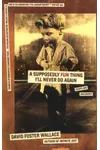
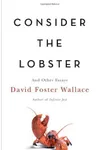
- Step 1: The Non-Fiction Gateway. Begin with A Supposedly Fun Thing I'll Never Do Again (1997) or Consider the Lobster and Other Essays (2005). These collections display his journalistic wit and cultural analysis, introducing his famous footnotes in a digestible format.
- Step 2: The Philosophical Core. Read This Is Water (2009). This short, standalone publication of his 2005 Kenyon College commencement address provides a direct, heartfelt summary of his worldview regarding empathy and daily mindfulness.
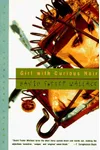
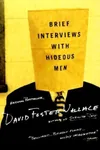
- Step 3: The Short Stories. Transition to his fiction through Girl With Curious Hair (1989) or Brief Interviews with Hideous Men (1999). These collections highlight his character-driven experimentation without requiring a massive time commitment.
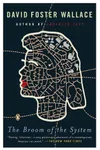
- Step 4: The Debut Novel. Read The Broom of the System (1987). Written as part of his undergraduate honors thesis at Amherst College, it is a more traditional and lighthearted narrative that showcases the themes of language and identity he would expand upon later.
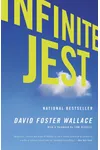
- Step 5: The Magnum Opus. Tackle Infinite Jest (1996). Set aside several weeks, use two bookmarks (one for the main text, one for the 388 endnotes), and prepare for a rewarding, complex, and transformative narrative.
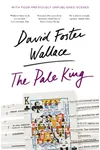
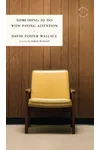
- Step 6: The Posthumous Fragments. Conclude with his unfinished novel, The Pale King (2011), and its standalone excerpted novella, Something to Do with Paying Attention (2022). These works showcase his late-career transition into a calmer, more meditative style.
Publication Order of Standalone Novels
While the chronological release of his novels is simple, reading them in order shows a fascinating evolution from postmodern emulation to a singular, hyper-detailed voice. Here is his novel bibliography in order of publication:
- The Broom of the System (1987): Wallace's debut novel centers on Leonore Beadman, a young telephone switchboard operator who gets caught in a bizarre existential crisis when her great-grandmother escapes from a nursing home. Heavily influenced by Ludwig Wittgenstein's philosophy of language, it is his most play-like and accessible novel.
- Infinite Jest (1996): Set in a near-future North America where years are named after corporate sponsors, this sprawling epic focuses on a tennis academy, a halfway house for recovering addicts, and a Canadian separatist group searching for a film cartridge so entertaining it causes death. It remains one of the most celebrated and debated novels of the late 20th century.
- The Pale King (2011): Published posthumously after Wallace's death, this unfinished manuscript was assembled by his editor, Michael Pietsch. It centers on IRS employees in Peoria, Illinois, during the mid-1980s, exploring the nature of boredom, bureaucracy, and modern survival.
- Something to Do with Paying Attention (2022): Published by McNally Editions, this standalone novella is actually an excerpt (specifically Section 22) of the unfinished draft of The Pale King. It focuses on the character Chris Fogle, a self-described "wastoid" who finds salvation in the study of advanced accounting. It is considered the finest distillation of Wallace's late style.
The Short Story Collections
Wallace’s short fiction is highly experimental, frequently subverting traditional narrative expectations to probe the psychological and emotional anxieties of modern life. Readers should note that these collections vary significantly in tone and difficulty:
- Girl With Curious Hair (1989): A collection that challenges the minimalist "dirty realism" popular in the 1980s. It features pop-culture parodies, including stories involving television hosts and historical figures.
- Brief Interviews with Hideous Men (1999): A darker, structurally unique collection. The titular stories consist of monologues by various men answering questions that have been edited out of the text, exposing themes of isolation, cynicism, and gender dynamics.
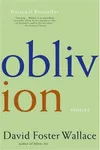
- Oblivion (2004): Wallace’s final completed fiction collection during his lifetime. The stories here are dense, complex, and deeply unsettling, dealing with dreams, dread, and identity confusion.
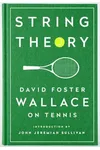
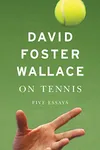
- String Theory (2014): A specialized collection published by the Library of America, bringing together five of Wallace's acclaimed essays on tennis.
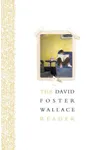
- The David Foster Wallace Reader (2014): A compilation designed as a sampler, containing selections from his novels, short stories, essays, and academic writings.
Non-Fiction and Essays: His Most Accessible Works
Many readers find Wallace's non-fiction to be his most enduring work. His essays read like long conversations with a brilliant, self-aware friend who is trying to understand the world around him. In addition to his primary collections, his bibliography contains mathematical treatises and collaborative culture critiques:
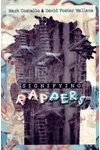
- Signifying Rappers: Rap and Race in the Urban Present (1990): Co-authored with his friend Mark Costello, this early non-fiction book explores the rise of hip-hop in Boston. It is a time-capsule piece that captures an early, academic white perspective on the genre's golden age.
- Review of Contemporary Fiction / The Future of Fiction (1996): Wallace guest-edited the Spring 1996 issue of the Review of Contemporary Fiction (Vol. XVI, No. 1), contributing a notable introductory essay titled "Quo Vadis" where he reflected on the modern trajectory of American literature.
- A Supposedly Fun Thing I'll Never Do Again (1997): His first major essay collection. It features his legendary cruise-ship travelogue, his essay on television and U.S. fiction ("E Unibus Pluram"), and his experiences at the Illinois State Fair.
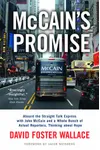
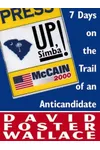
- McCain's Promise / Up, Simba! (2000): Originally written as a rolling essay for Rolling Stone, this piece follows John McCain's 2000 presidential campaign trail, capturing the cynicism and hope of political media coverage.
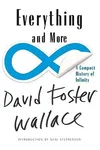
- Everything and More (2003): A non-fiction book exploring the history of infinity, focusing on the work of mathematician Georg Cantor. It is a challenging read that bridges the gap between literature and math.
- Consider the Lobster and Other Essays (2005): A stellar collection containing his famous title essay about the ethics of boiling lobsters alive at the Maine Lobster Festival, along with pieces on talk radio, 9/11, and English usage dictionaries.
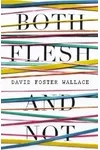
- Both Flesh and Not (2012): A posthumous collection of essays that were not included in his previous two volumes, featuring his famous piece on tennis player Roger Federer.
What to Know Before You Start: Practical Reading Guidance
Reading David Foster Wallace requires a different set of rules than reading standard contemporary fiction. Keep these tips in mind as you embark on your reading journey:
1. Do Not Skip the Footnotes
Whether you are reading his essays or his novels, his footnotes (or endnotes, in the case of Infinite Jest) are mandatory reading. Wallace used them to mimic the cognitive overload of the human mind, allowing secondary thoughts, dry jokes, technical explanations, and narrative deviations to run parallel to the main text. Treating them as optional will cause you to miss key plot points and some of his funniest writing.
2. The Challenge of Posthumous Continuity
Because Wallace died in 2008, his final publications did not receive his final authorial approval. The Pale King is a heroic assembly of his drafts, but it remains fragmented. Similarly, Something to Do with Paying Attention was extracted from this text by editors to stand on its own. Readers should expect unresolved narratives and structural jumps when reading these posthumous titles.
3. The Co-Authorship and Anthologies
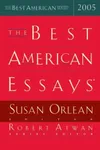
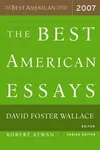
Early in his career, Wallace collaborated with his roommate Mark Costello on Signifying Rappers, which remains his only co-authored book. He also edited anthologies like The Best American Essays 2005, which can offer deeper insight into his editorial tastes and what he valued in non-fiction writing.