

Where to Start with David Gibbins
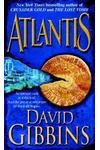
If you are new to the action-packed world of David Gibbins, the absolute best place to begin is with his debut novel, Atlantis (2005). This book introduces his signature protagonist, Jack Howard, and establishes the formula that made Gibbins a global bestseller: a combination of meticulous archaeological fact, deep-sea diving logistics, and fast-paced adventure in the vein of Indiana Jones or Clive Cussler.
While each of the novels in the Jack Howard series covers a self-contained historical mystery, the personal lives of the main characters—especially Jack and his dive partner, Costas Kazantzakis—as well as the development of their research organization, the International Maritime Archaeological Database (IMAD), evolve progressively across the books. Reading them in order of publication ensures you do not encounter spoilers regarding their relationships and past expeditions.
The Jack Howard Series in Publication Order
The main series follows Jack Howard and his team as they dive into the depths of the ocean to uncover lost civilizations, forgotten treasures, and secret histories. Because the series maintains a linear timeline in the modern era, the publication order is also the chronological order for the character-driven narrative. Be aware that several titles differ between their US and UK editions.
- Atlantis (2005): Marine archaeologist Jack Howard leads an expedition into the Black Sea, uncovering evidence that could locate the legendary lost civilization of Atlantis.
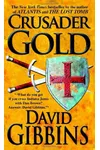
- Crusader Gold (2006): Jack follows a trail from the harbor of Istanbul to the English Channel and the Americas in search of the Golden Menorah, stolen during the sack of Jerusalem.
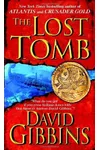
- The Lost Tomb (Published in the UK as The Last Gospel) (2008): The discovery of a scroll written by Roman Emperor Claudius sends Jack on a dangerous hunt for the historical truth behind the Gospels.
- The Tiger Warrior (2009): Blending Roman military history with the mysteries of ancient India and China, Jack retraces the steps of a lost legion.
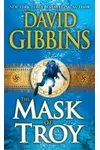
- The Mask of Troy (2010): Jack explores a Bronze Age shipwreck off the coast of Greece, linking the Troy of Homeric legend with a lost World War II German U-boat.
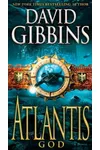
- The Gods of Atlantis (Published in some regions as Atlantis God) (2011): Jack returns to the mystery of Atlantis, diving into a prehistoric lake in Russia and uncovering a conspiracy that dates back to the dawn of humanity.
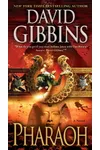
- Pharaoh (2013): An investigation into a lost Egyptian pharaoh leads Jack and Costas to the war-torn deserts of Sudan and a deep underwater passage.
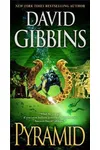
- Pyramid (2014): Jack dives into the waters of the Nile and the hidden chambers of the Great Pyramid of Giza, discovering a secret map left behind by ancient builders.
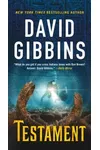
- Testament (2016): Jack follows a trail of clues from the fall of Jerusalem to the mountains of Ethiopia to find the resting place of the Ark of the Covenant.
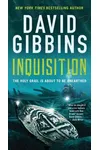
- Inquisition (2017): Uncovering the dark secrets of the Knights Templar and the Spanish Inquisition, Jack and his team face a modern threat protecting ancient truths.
- Atlantis Legacy (2024): The eleventh installment, published independently by Gibbins, connects an ancient Egyptian ritual under Akhenaten with a 16th-century shipwreck off Cornwall.
The Total War: Rome Series
In addition to his contemporary thrillers, David Gibbins was commissioned to write official tie-in novels for the popular historical strategy video game Total War: Rome II. Unlike the Jack Howard books, these are pure historical fiction without a modern-day framing story. They should be read in publication order:
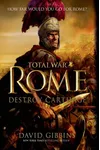
- Destroy Carthage (2013): Set during the Third Punic War, the story follows Roman soldier Fabius Petronius Secundus as he participates in the final, brutal siege of Rome's greatest rival.
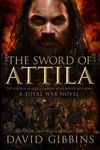
- The Sword of Attila (2015): Set in the 5th century AD, the novel dramatizes the titanic clash between the Roman Empire, led by General Aetius, and the invading hordes of Attila the Hun.
David Gibbins' Non-Fiction
For readers who want to learn about the real science and expeditions that inspire the Jack Howard thrillers, Gibbins has written academic papers as well as a popular non-fiction book:
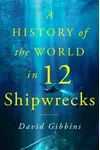
- A History of the World in Twelve Shipwrecks (2024): Drawing directly on his forty-year career as an underwater archaeologist, Gibbins guides readers through twelve extraordinary shipwrecks—from the Bronze Age to World War II—to show how maritime archaeology unlocks human history.
What to Know Before You Start
Before diving into Gibbins' work, there are a few important details to keep in mind. First, pay close attention to book titles when purchasing. The third book is sold as The Lost Tomb in North America but as The Last Gospel in the United Kingdom. Similarly, the sixth book is known as both The Gods of Atlantis and Atlantis God. Checking the publication years or series numbers will prevent you from buying the same book twice.
Second, Gibbins' fiction is highly detailed. Because of his background as a Cambridge PhD and practicing archaeologist, his novels are dense with historical expositions, architectural layouts, and technical diving details. If you enjoy authors who prioritize archaeological realism and historical lectures alongside action sequences—such as James Rollins or Steve Berry—you will find Gibbins' pacing highly rewarding.