
Where to Start Reading David Icke
Because David Icke’s bibliography is massive, dense, and spans over three decades, choosing a starting point can be daunting. Since these are works of speculative non-fiction and alternative research rather than a serialized story, you do not need to follow a strict chronological sequence. Instead, your entry point should depend on which aspect of his philosophy you want to explore first.
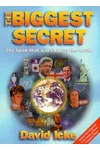
For the classic, definitive experience, start with The Biggest Secret (1999). This is the book that made Icke a household name in alternative media, introducing his infamous theories on global control and the shape-shifting reptilian elite. If you want a more modern, comprehensive, and up-to-date summary of his entire worldview in a single book, Everything You Need to Know But Were Never Told (2018) is widely considered the best overall overview. For readers specifically interested in his recent pivot toward the simulation hypothesis and consciousness studies, beginning with his latest series, the Reality Trilogy starting with The Trap (2022), is highly recommended.
The Reality Trilogy
In his most recent works, David Icke has moved away from traditional conspiracy narratives and focused deeply on the metaphysical nature of our universe, presenting the idea that physical reality is a simulated holographic trap designed to recycle human consciousness. These books form a tight, sequential narrative and should be read in order:
- The Trap (2022) – Introduces the concept of the physical world as a targeted simulation designed to harvest human energy.
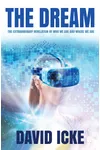
- The Dream (2023) – Subtitled The Extraordinary Revelation Of Who We Are And Where We Are, this installment details the mechanics of the simulated matrix and how consciousness is manipulated.
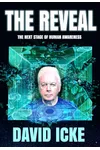
- The Reveal (2024) – Subtitled The Next Stage of Human Awareness, the final book focuses on solutions, personal sovereignty, and how individuals can break free from the simulation.
David Icke Books in Publication Order
If you want to trace the evolution of David Icke's theories—from early spiritual awakening and political commentary to full-blown cosmic conspiracy theories and the simulation hypothesis—reading his books in order of publication is the most logical path. Below is his complete bibliography based on local catalog records, noting that some works received wider updates or distribution in later years:
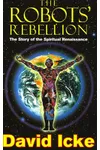
- Robots Rebellion (1994)
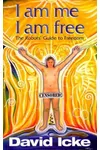
- I am me I am free (1996)
- The Biggest Secret (1999)
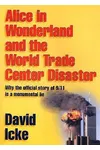
- Alice in Wonderland and the World Trade Center Disaster (2002)
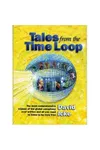
- Tales from the Time Loop (2003)
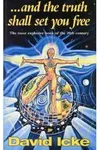
- ...And the Truth Shall Set You Free (2004)
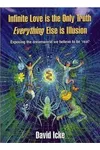
- Infinite Love is the Only Truth (2005)
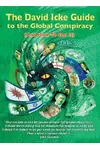
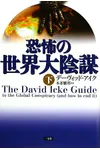
- The David Icke Guide to the Global Conspiracy (2007)
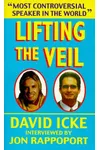
- Lifting the Veil (2008)
- Great conspiracy of fear (2009)
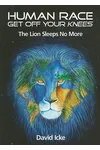
- Human Race Get Off Your Knees (2010)
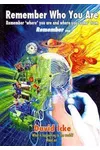
- Remember Who You Are (2012)
- The Perception Deception - Part One (2013)
- The Perception Deception - Part Two (2013)
- Phantom Self (2016)
- Children of the Matrix (2017)
- Everything You Need to Know But Were Never Told (2018)
- The Trap (2022)
- The Dream (2023)
- The Reveal (2024)
Thematic Reading Paths: How to Choose Your Next Book
Because Icke's books are long (often exceeding 500 pages) and incredibly detailed, it helps to categorize them by theme. Depending on your interest, you can follow one of these specialized reading paths:
The Geopolitics and Global Control Grid Path
This path is for readers who are interested in secret societies, political manipulation, and alternative explanations for major historical events, without diving too deep into the cosmic or spiritual elements. Focus on these titles:
- ...And the Truth Shall Set You Free (originally published in 1995) – A deep dive into secret societies, banking families, and political manipulation.
- Alice in Wonderland and the World Trade Center Disaster (2002) – Focusing specifically on the events of September 11, 2001, and the subsequent war on terror.
- The David Icke Guide to the Global Conspiracy (2007) – A comprehensive textbook-style guide summarizing the structure of global control.
The Metaphysical and Simulation Path
For those fascinated by Gnosticism, Eastern philosophy, and the theory that our physical reality is a holographic illusion, this track offers his most mind-bending theories:
- Infinite Love is the Only Truth (2005) – The first major work where Icke heavily focuses on the holographic nature of our physical senses.
- Human Race Get Off Your Knees (2010) – Focuses on the Moon as a broadcasting station sending a false frequency that constructs our waking reality.
- Phantom Self (2016) – Explores how the virtual reality we call life is transitioning into an artificial intelligence-controlled system.
- The Reality Trilogy (2022–2024) – His ultimate statement on escaping the simulation trap.
The Digestible Manifestos
If you find his massive volumes overwhelming, Icke has written a few shorter, more focused books that read like personal manifestos on freedom and human potential:
- I am me I am free (1996) – An early, energetic call to ignore social programming and embrace individual freedom.
- Remember Who You Are (2012) – A message centered on consciousness, identity, and the power of love over fear.
What to Know Before You Start
Before reading David Icke, it is crucial to understand the style and context of his works. His writing is entirely self-published, which gives him absolute creative freedom but also means his books are often structured like long, flowing lectures rather than structured academic papers. He frequently repeats key concepts across different books to ensure new readers can follow along, meaning you will encounter familiar ideas if you read several of his books in a row.
Furthermore, Icke is a highly controversial figure. His endorsement of controversial texts like The Protocols of the Elders of Zion and his claims about prominent global families have drawn widespread accusations of antisemitism, which he denies, asserting his criticisms are aimed at energy manipulation systems rather than any ethnic group. His books actively reject mainstream scientific consensus and orthodox historical narratives, relying instead on alternative research, intuition, and spiritual communication. Readers should approach these texts prepared for extreme, provocative theories that challenge almost every aspect of consensus reality.