











Where to Start with Dennis Foon
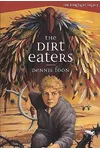
If you are new to Dennis Foon's work, your ideal starting point depends on your favorite genre. For fans of speculative fiction, post-apocalyptic settings, and coming-of-age fantasy, the clear starting point is The Dirt Eaters (2003), the first book in his acclaimed Longlight Legacy trilogy. It establishes a rich, dangerous world and kicks off a continuous narrative arc that must be read in order.
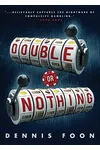
For readers who prefer gritty, realistic contemporary fiction, the best entry point is Double or Nothing (2000). This gripping young adult novel tackles the fast-paced and destructive spiral of teen gambling addiction, providing a suspenseful and educational look at how a simple habit can take over a young person's life. Alternatively, you can start with Skud (2003), a raw and uncompromising examination of modern masculinity through the lives of four high school boys.
The Longlight Legacy Reading Order
Dennis Foon's signature contribution to speculative fiction is The Longlight Legacy. The series follows Roan, a young boy whose peaceful, isolated community of Longlight is brutally destroyed. As the sole survivor of the massacre, Roan is thrust into a wasteland where he must learn to survive, master ancient combat arts, and eventually confront the tyrannical forces controlling the remnants of humanity. Because the plot is highly serialized and features continuous character development, it must be read in publication/chronological order:
- The Dirt Eaters (2003) – The journey begins when Roan's home is destroyed and he is captured by the Dirt Eaters. He must escape captivity, find allies, and learn to survive in a harsh post-apocalyptic landscape.
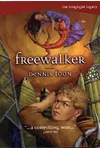
- Freewalker (2004) – Roan travels to the high-tech, seemingly utopian city of Oasis to rescue his sister, only to discover that Oasis's prosperity is built on a dark and parasitic secret.
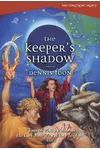
- The Keeper's Shadow (2006) – The dramatic conclusion of the trilogy. Roan faces the ultimate threat of the Keeper, attempting to heal a broken world and secure a future for the survivors.
Standalone Young Adult Novels
Outside of his trilogy, Dennis Foon has written two highly regarded standalone novels for young adults. Both books deal with real-world issues, drawing heavily on Foon's background in youth-focused advocacy theater:
- Double or Nothing (2000) – This novel follows Kip, a smart, successful teenager who begins making casual bets. His habit quickly escalates into a devastating gambling addiction that threatens his relationships, his college fund, and his family's safety. Modern editions of the book have been updated to address online gambling and digital casinos.
- Skud (2003) – Winner of the Sheila A. Egoff Children's Literature Prize, this novel focuses on the lives of four senior high school boys: Tommy, Brad, Andy, and Shane. Through their intersecting paths and struggle with expectations of aggression and tough-guy masculinity, Foon explores the roots of teen violence and the pressures boys face to suppress their emotions.
Plays, Adaptations, and Genre Distinctions
Because Dennis Foon is a highly celebrated playwright and screenwriter, his bibliography can sometimes confuse readers browsing online bookstores. It is important to know the difference between his original prose novels, his screenplays, and his published playtexts:
The Confusion Around "Rick"
Many online book databases list Foon's 2011 work Rick (often titled Rick: The Rick Hansen Story) as a non-fiction book. In reality, this is a published play text. It dramatizes the real-life teenage years of Canadian athlete and activist Rick Hansen, focusing on the basketball star's life before and after the truck accident that left him paralyzed. While available in paperback format, it is written as a script rather than a standard biography.
Plays That Inspired His Novels
Several of Foon's prose novels began as stage plays. If you enjoy his books, you may also want to seek out the published editions of these plays:
- Chasing the Money (published in 2003) – The stage play that served as the direct basis for the novel Double or Nothing.
- War (published in 2008) – The award-winning play that Foon adapted into his novel Skud.
Screenplay Distinctions
Foon wrote the screenplay for the celebrated 2017 Canadian film Indian Horse. It is important for readers to note that the original book Indian Horse was written by the late Ojibway author Richard Wagamese. Foon did not write the novel, but his screen adaptation is highly praised for preserving the emotional depth of Wagamese's story about Indigenous resilience and the residential school system.
What to Know Before You Start
Foon's stories are known for their emotional intensity, gritty realism, and social consciousness. Whether writing post-apocalyptic fantasy or modern YA drama, he does not shy away from heavy topics like violence, systemic racism, addiction, and grief. His work with Vancouver's Green Thumb Theatre pioneered "child advocacy theater," which aims to treat young audiences with respect by presenting realistic challenges. When diving into Foon's bibliography, expect stories that are fast-paced, dialogue-heavy, and focused on themes of survival, recovery, and personal responsibility.